








Introduction:Clogged grinders that fail to dispense coffee grounds are a common and sudden issue at the coffee bar, especially during morning rush hours when things can get chaotic. Dialing in the grind size for espresso also requires taking into account multiple factors such as bean freshness, indoor humidity, and machine condition—even seasoned baristas need to stay flexible. This article systematically breaks down the six most common causes of grinder clogs and step-by-step troubleshooting methods, while also delving into the core logic behind adjusting espresso grind size. Based on practical experience, it provides actionable advice and precautions for adjusting the grind, helping readers quickly identify problems and optimize extraction performance.
In café operations, a sudden grinder clog that stops dispensing coffee grounds is a headache for many baristas, particularly during the busy morning period when it often catches people off guard. At the same time, adjusting the grind size for espresso is a technical task that requires comprehensive judgment. It not only involves the roast level and freshness of the beans, but also needs fine-tuning based on daily weather humidity, indoor temperature, and even the condition of the grinder’s burrs. Even experienced baristas often waste extra coffee beans in testing due to these variables.
To solve grinder clogging issues, it’s first necessary to understand the common causes of malfunction, such as excessive coffee buildup on the burrs, worn burr blades, clogged grind pathways, or loose adjustment screws. It is recommended to first turn off the power, check whether the portafilter is properly seated, and use a soft-bristle brush to clean residual coffee grounds around the burrs and inside the grind path, paying special attention to whether there are any clumps blocking the area. If the problem persists, you can further check whether the grinder’s output adjustment ring is too tight, or try recalibrating the grind size.
As for the core logic behind dialing in espresso grind, the key lies in finding the right grind coarseness suited to the current beans in order to achieve an ideal extraction time and flavor balance. Generally speaking, the extraction time is recommended to be between 25 to 30 seconds, with a coffee-to-water ratio controlled between 1:2 and 1:2.5. The specific values can be fine-tuned according to the bean variety and roast level. If the coffee extracts too quickly, tastes overly sour, and lacks complexity, it usually indicates the grind is too coarse; conversely, if the extraction takes too long, the taste is bitter and astringent with noticeable off-flavors, then the grind may be too fine.
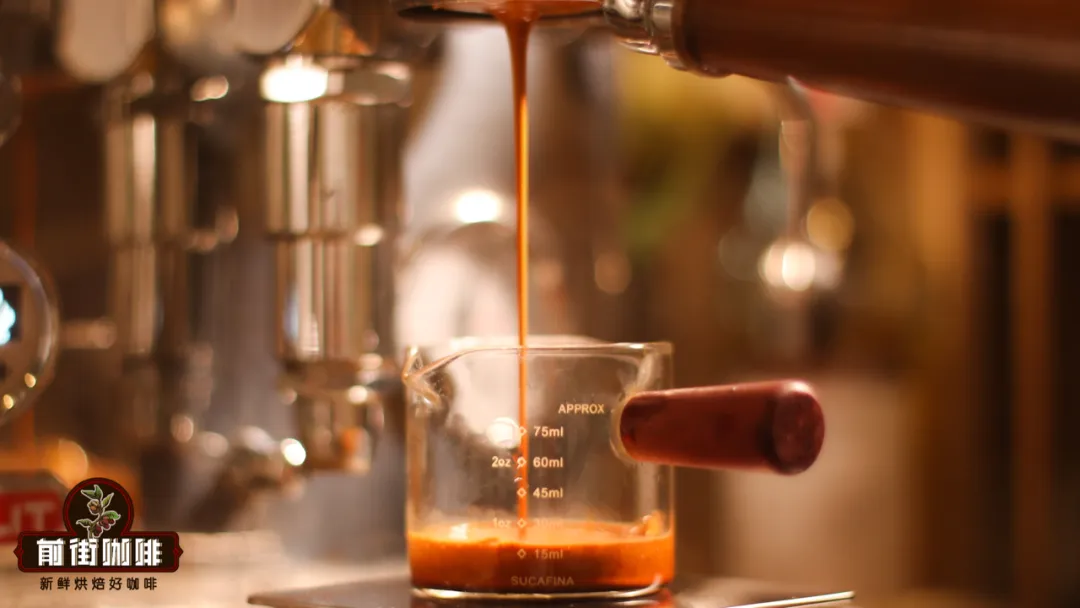
When adjusting the grind, it is recommended to adopt a method of “small incremental adjustments,” turning the grinder’s adjustment ring only 1/8 to 1/4 of a turn at a time, and recording the changes in extraction after each adjustment. Additionally, the storage condition of the beans is extremely important. Freshly roasted coffee beans are usually at their flavor peak within the first two weeks, but it's important to manage degassing to avoid uneven grinding caused by excessive pressure inside the bean bag. If you find that the extraction performance is unstable under the same grind setting, it may be necessary to check whether there are any clumps or moisture-affected beans in the bean hopper.
In practice, many baristas adjust the base grind size according to seasonal changes. For example, during summer when humidity is high, beans may absorb moisture and require a finer grind to maintain the desired extraction time; in winter when it’s dry, a slightly coarser grind might be needed. In addition, differences in design among grinder brands can also affect how the grind responds to adjustments—for instance, flat burrs and conical burrs have different cutting characteristics, with the former generally requiring more precise adjustment.
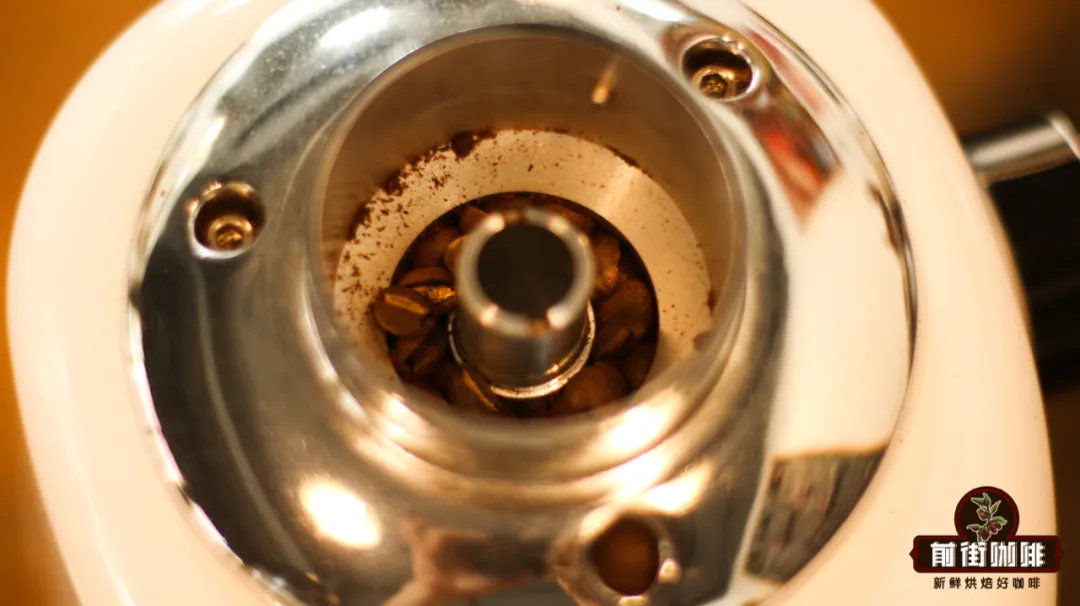
For common clogging issues, another easily overlooked cause is uneven burr clearance, which may result in some coffee grounds being excessively compressed and clumping together, thereby blocking the discharge channel. It is recommended to regularly clean the burrs using a grinder-specific cleaning brush, and perform deep maintenance periodically, such as using burr cleaning paste to remove residual oils and fine particles. If clogging issues occur frequently, it’s also advisable to check whether the bean inlet is too large, causing coffee beans to enter the burrs at an incorrect angle and resulting in uneven grinding.
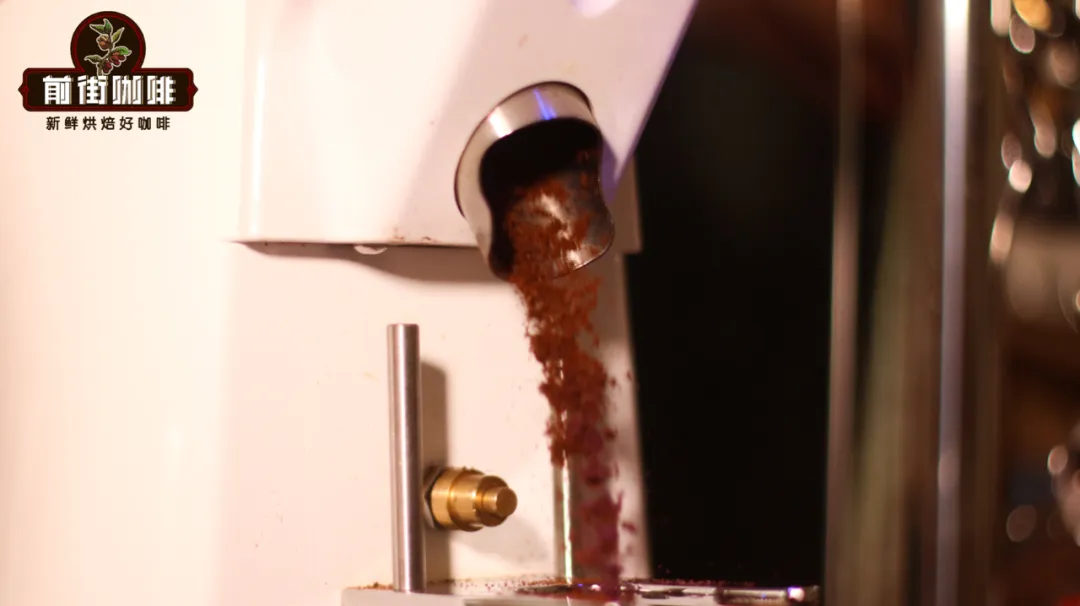
In summary, whether solving grinder clogging problems or optimizing the grind size for espresso, the key lies in observation, recording, and gradual adjustment. It is recommended that baristas maintain their own grind adjustment notes, recording details such as the bean variety, grind size, extraction time, and flavor profile each time. Over time, this will greatly improve troubleshooting efficiency. Through systematic troubleshooting and adjustment logic, even beginners can gradually master the core techniques of espresso preparation and ensure consistent quality in their output.
The above content is compiled by CoffeeHunters, a coffee news website.


