







Introduction:Indonesian Mandheling coffee is renowned for its rich and bold flavor, and the key behind this lies in the unique wet-hulling processing method. This article clearly explains why Indonesia widely adopts the wet-hulling method—from its tropical climate of high temperatures and heavy rainfall to the historical background of Dutch colonial rule—and delves into its origins, processing steps, potential issues, and analyzes the actual flavor profiles of two Mandheling offerings from a certain brand, as well as the strict selection and trademark management of PWN Golden Mandheling.
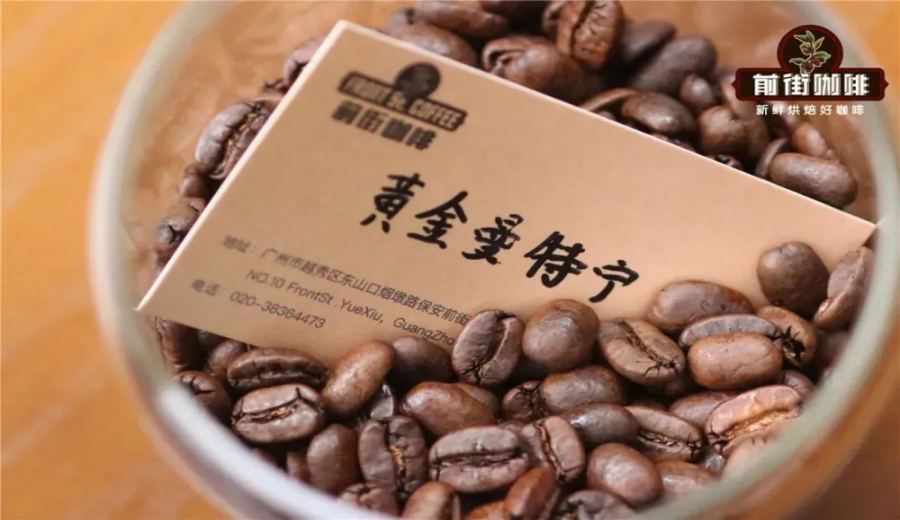
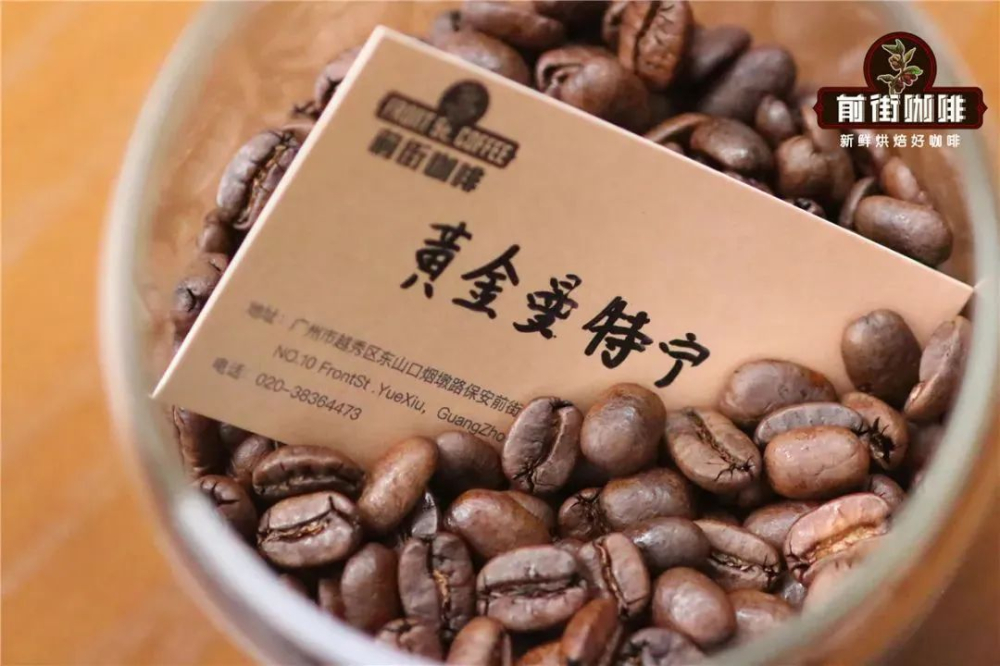
When it comes to coffee with intense and heavy flavors, many coffee enthusiasts first think of Asian producing regions, among which Indonesian coffee is particularly famous, especially Mandheling. Among the many Indonesian coffees, Mandheling stands out with its full-bodied and rich taste, loved by consumers around the world. Nowadays, in many specialty coffee shops, you can enjoy classic products such as Lintong Mandheling and Golden Mandheling. Among them, Golden Mandheling, processed through the wet-hulling method, showcases complex aromas of toasted bread, pine wood, caramel, and cocoa, with a rich and balanced taste, layered complexity, and a long-lasting caramel sweetness in the aftertaste.
Many consumers wonder why the wet-hulling method is so prevalent when choosing Mandheling. In fact, this is closely related to Indonesia’s unique geographical and climatic conditions. As the world’s largest archipelagic country, Indonesia is entirely located in the tropics, predominantly featuring a tropical rainforest climate, with temperatures consistently maintained between 25 to 27 degrees Celsius throughout the year, air humidity often as high as 70% to 90%, and frequent rainfall. In such an environment, traditional sun-drying methods struggle to dry coffee cherries fully and evenly, while the washed method, although it removes the fruit pulp, also faces challenges during the drying stage after fermentation due to insufficient sunlight.
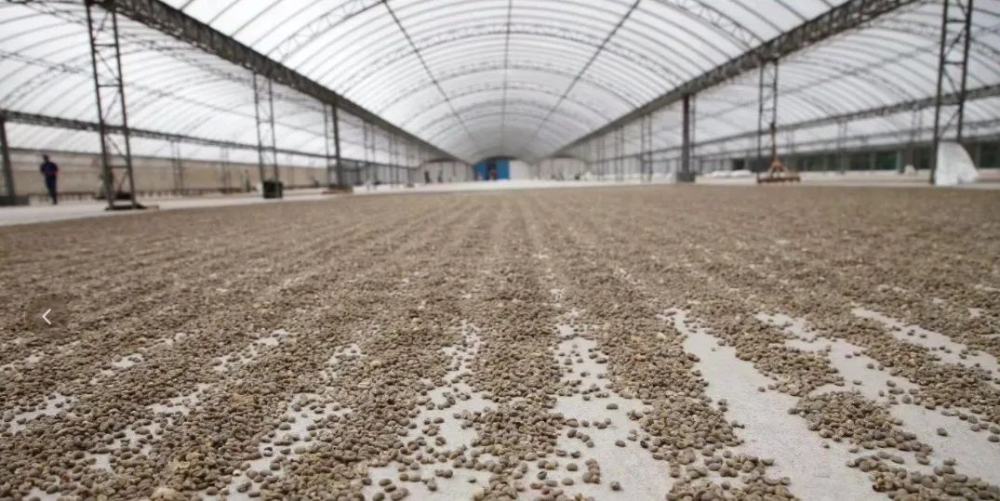
It is precisely against this climatic backdrop that the wet-hulling method (known in Indonesian as Giling Basah) emerged. This method is also referred to by some industry insiders as “semi-washed processing.” Its process shares similarities with the traditional washed method, but the key difference lies in how the drying stage is handled. After fermentation, the wet-hulling method only involves a brief initial drying period. When the moisture content is still relatively high, at around 30% to 50%, the outer parchment layer of the beans is removed early, followed by the subsequent complete drying process. This approach significantly shortens the overall drying time, adapting to Indonesia’s rainy and humid environment.
Beyond climatic factors, historical background is also one of the important reasons for the prevalence of the wet-hulling method in Indonesia. During the Dutch colonial period, Indonesia’s coffee cultivation and trade were primarily controlled by the Dutch. To improve efficiency, reduce production costs, and accelerate coffee export speed, the wet-hulling method became the preferred processing technique for the local coffee industry due to its ability to significantly shorten the processing cycle. This method not only adapted to the region’s humid climate but also met the profit-maximization needs of the colonial era, leading to its rapid adoption.
Specifically, the processing steps of the wet-hulling method are roughly as follows: After harvesting, coffee cherries first undergo floatation to remove underdense, lower-quality fruits; then, machines are used to remove the outer skin and pulp, leaving behind coffee beans covered with mucilage and parchment. These beans are subsequently placed in water tanks for fermentation, usually lasting 12 to 36 hours, with the aim of breaking down the mucilage layer. Once fermentation is complete, the beans still retain their parchment layer, at which point they are sun-dried until the moisture content drops to 30% to 50%, depending on weather conditions. Next, a hulling machine is used to remove the parchment layer, and finally, another round of sun-drying is performed to further reduce the moisture content to around 12%, completing the entire process.
However, although the wet-hulling method effectively adapts to Indonesia’s climate and improves processing efficiency, it also comes with some non-negligible issues. The most common one is the so-called “elephant ear bean” phenomenon. Because the removal of the parchment layer involves rather vigorous operation of the hulling machine, the green coffee beans are prone to being squeezed or damaged—especially at the two ends—potentially forming cracks that resemble elephant ears, hence the name. However, with improved processing techniques, such defects have been significantly reduced in offerings such as PWN Golden Mandheling supplied by a certain brand.
Currently highly acclaimed in the market, PWN Golden Mandheling is produced by the well-known Indonesian Pwani Coffee Company (Pwani Coffee Company). This company controls the majority of premium coffee bean resources in Indonesia’s high-quality producing areas, so the beans it produces are mostly of specialty grade. In addition, PWN has registered “Golden Mandheling” as an exclusive trademark, ensuring that only Mandheling processed and produced by PWN can bear this name, thereby further guaranteeing its quality and purity.
PWN implements strict quality control measures during production, including three rounds of manual hand-picking of green coffee beans to remove defective beans, undersized particles, or beans with irregular appearances, ensuring a higher level of cleanliness and consistency in the final product. This also makes PWN Golden Mandheling relatively more expensive in the market, but its flavor performance and overall quality certainly live up to such positioning.
The above content is compiled by CoffeeHunters, a coffee news website.


