







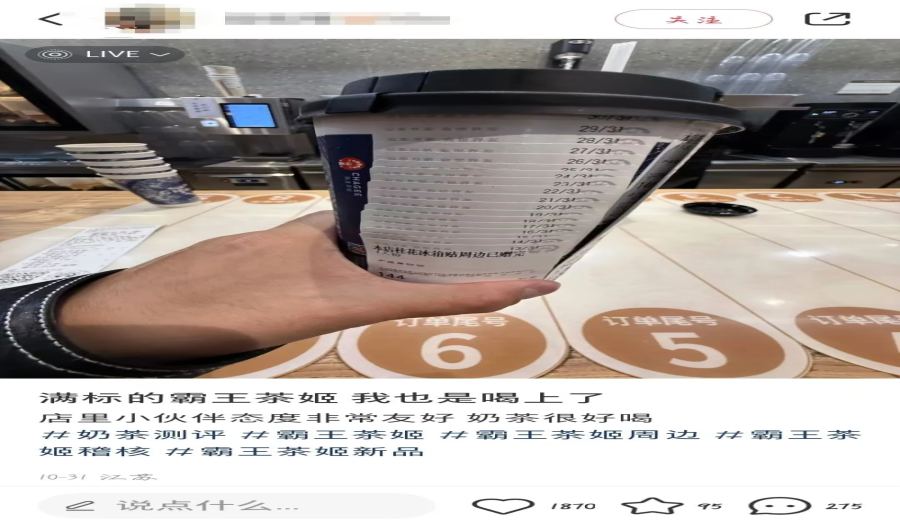
Introduction:When customers frantically add the “0-yuan in-store merchandise (out of stock)” option to their orders, forcing staff to print dozens of useless cup stickers, this chaotic phenomenon in online celebrity café takeaway orders is giving the industry a headache. From label printer mechanics to third-party platform design flaws, this article dissects the full-chain issues behind the "Over-Ordered Bubble Tea Queen" incident and offers preventive advice for F&B professionals.
Recently, a set of astonishing photos circulated on social platforms: the packaging cups of a bubble tea brand were covered with dozens of stickers, which from afar looked like an elaborate assortment of toppings, but up close were all identical prints reading “in-store merchandise (out of stock).” This phenomenon, dubbed by netizens as the “Over-Ordered Bubble Tea Queen,” is actually an extreme case where customers exploit the 0-yuan prompt feature on delivery platforms.
The investigation found that the root of the problem lies in the product categorization logic of certain third-party delivery systems. When cafés set “merchandise giveaways” as a 0-yuan prompt item, the algorithm lists it as a purchasable option. Some customers deliberately adjust the quantity of this item to dozens, causing the in-store label printer to output the corresponding stickers indiscriminately—even though these stickers have no relation whatsoever to the actual drink.。
On-site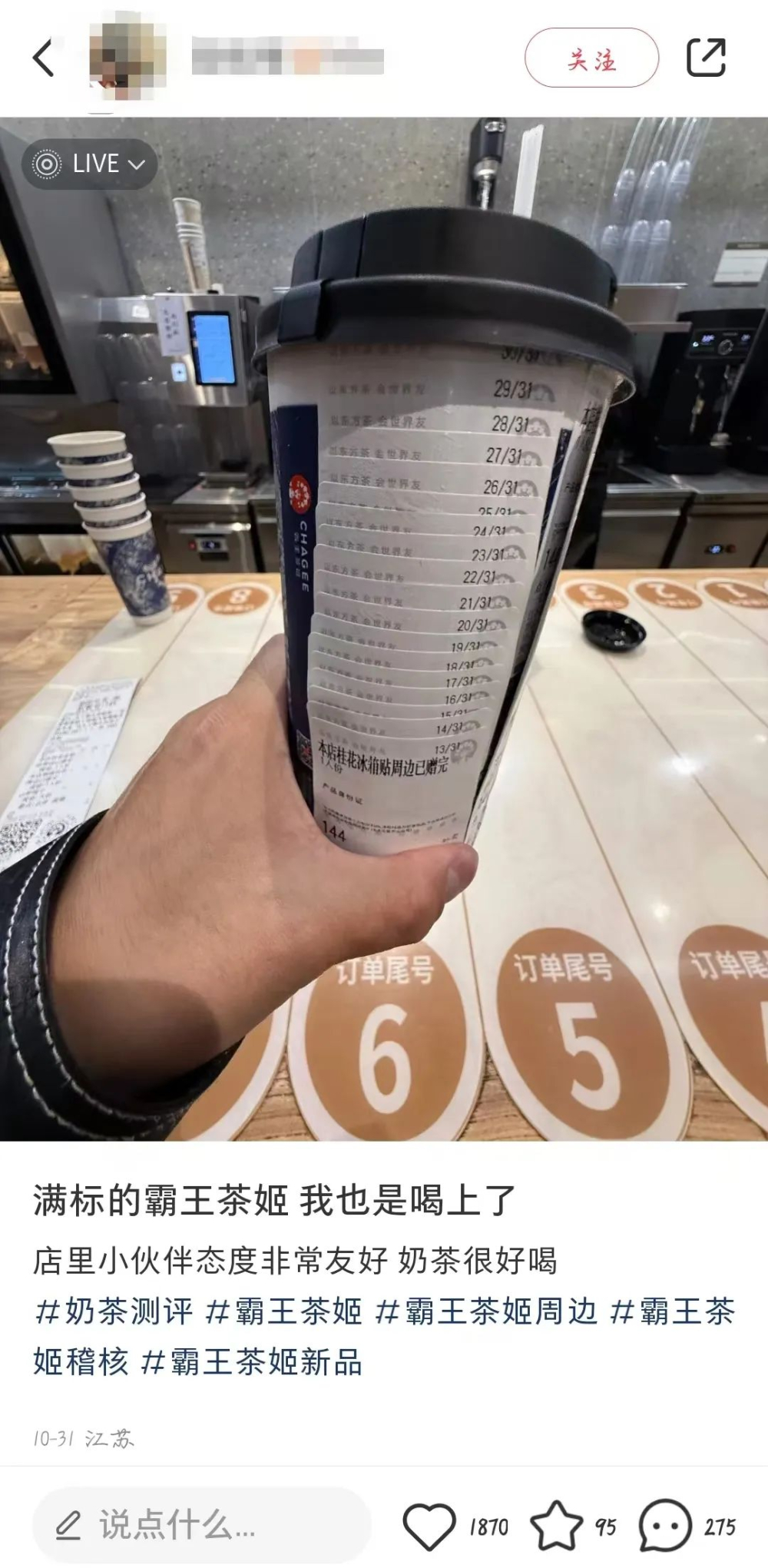 reports show that affected staff initially mistook the large number of labels for a big order, but upon verification found over 90% to be invalid content. Industry insiders pointed out that label printers typically use preset programs to print,unable to automatically filter out non-physical 0-yuan items,which leads to stores having to waste manpower on meaningless sticking tasks.
More serious consequences lie in resource wastage: each cup sticker consumes specialized adhesive material, and the excessive stacking of labels can compromise packaging sealability. A veteran barista warned that similar situations are especially common during peak holiday order periods,with single stores potentially adding 15–20 minutes of non-productive work time per day as a result.。
In response to this phenomenon, some professionals suggest three measures: first, delivery platforms should optimize their product categorization mechanisms to clearly distinguish “prompt-type information” from actual products; second, cafés can set purchase limits for 0-yuan items; finally, if supported, label printer systems should consider adding keyword filtering functions. Currently, Bubble Tea Queen has responded by saying they’ve noted the feedback but face limitations in adjusting permissions.
This incident also reflects system integration issues in the new retail era—when consumer behavior, platform algorithms, and physical store processes are misaligned, efficiency losses often occur on both sides. For coffee professionals, understanding these hidden cost factors is an essential part of operational optimization.
The above content is compiled by CoffeeHunters, a coffee news website.


