







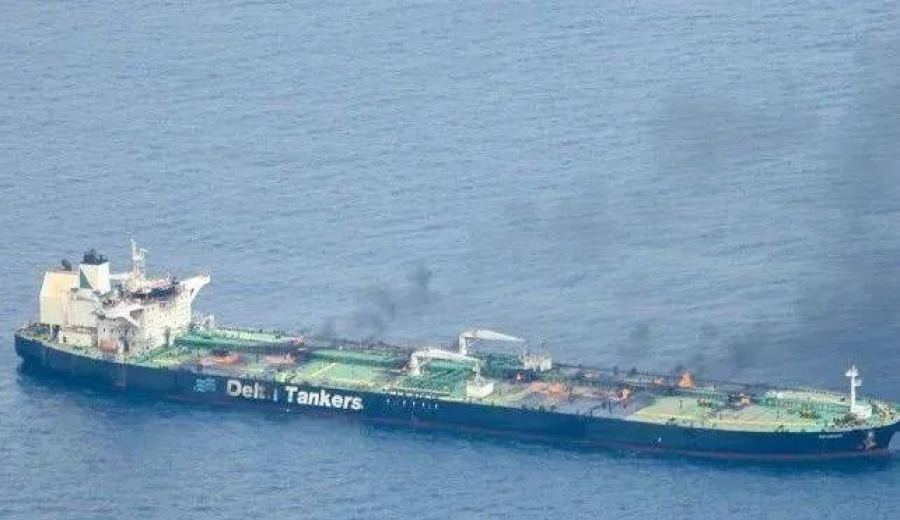
Introduction:The geopolitical tensions in the Red Sea have severely disrupted global coffee logistics and trade. From Asia to Africa, major producing regions are facing challenges such as soaring shipping costs and declining port throughput, with major coffee-exporting nations like Vietnam, Indonesia, and Ethiopia bearing the brunt. At the same time, international coffee futures prices have risen in tandem, reflecting market concerns over supply instability. This article delves into how the Red Sea crisis is specifically impacting the global coffee supply chain, giving you an insight into the key trade and price fluctuation factors behind it.
Since the end of last year, the situation in the Red Sea has remained tense. The military actions of the Houthi rebels have not only reshaped global shipping routes but also significantly affected the international coffee supply chain. Container throughput at the Suez Canal has dropped sharply, and shipping costs from Asia to Europe have surged nearly sevenfold, worsening trade conditions for major coffee-exporting countries like Vietnam and Indonesia. Many buyers have turned to other markets, leading to hindered coffee sales in these regions.
Meanwhile, Ethiopia, whose main gateway for goods is the neighboring Port of Djibouti—has also been affected by the Red Sea crisis, with port throughput dropping by at least 10%. This has not only impacted the efficiency of coffee exports but also driven up overall logistics costs, putting pressure on the local economy and prices.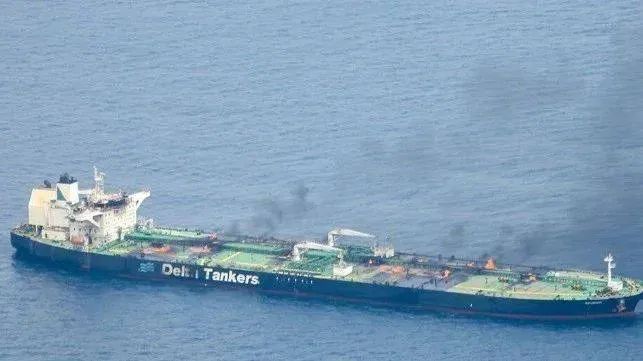
In fact, although the Houthi rebels claim to target only Israeli-related vessels, reports indicate that the group has attacked multiple commercial ships from various countries and even profited by demanding so-called “security passage fees,” estimated to bring in as much as $180 million per month. This uncertainty has forced international shipping companies to reassess routes and risks, further driving up transportation costs.
In response to international scrutiny, a Houthi spokesman stated that since many Israel-linked shipping companies have evaded sanctions by renaming or transferring registration, the group no longer recognizes any changes in vessel ownership and will continue to blockade the Red Sea, targeting all shipping activities related to Israel until Israel halts its military operations in Gaza and Lebanon.
Statistics show that over the past year, the Houthi rebels have launched more than 130 missile and drone attacks, affecting a total of over 100 vessels, making it one of the most intensive attacks on civilian ships since World War II. This situation has caused deep unease among global shipping operators and coastal nations. The total throughput of the Suez Canal has dropped by 60% to 70% compared to the 2023 average, with declines exceeding 90% for container ships and car carriers.
Rising shipping costs have become a pain point for global trade, with some routes seeing fare increases of 30% to 40%. International shipping giant Maersk has raised its full-year profit forecast four times in six months, mainly due to supply chain disruptions and soaring freight rates caused by the Red Sea crisis.
The impact of this crisis on coffee-producing regions is particularly evident. Asian exporters report that freight rates on Eurasian routes have surged nearly sevenfold, causing some buyers to reduce purchases. Trade volumes in major exporting regions like Vietnam and Indonesia have plummeted. Taking Vietnam as an example, in addition to weather-related declines in coffee production, high freight costs have made buyers hesitant, resulting in a market where “prices are high but there’s no actual trading.” Data from the Vietnam Coffee - Cocoa Association (VICOFA) shows that Vietnam’s coffee exports fell by 12.1% in the 2023/24 season.
In Africa, Ethiopia, lacking direct access to the sea, heavily relies on the Port of Djibouti, which is located at a strategic point along the Red Sea. Affected by the crisis, throughput at the Port of Djibouti has declined, not only dragging down Ethiopia’s coffee exports but also creating upward pressure on local prices and inflation, further undermining the international competitiveness of agricultural products such as coffee.
Market data also reflects the impact of this supply chain crisis: ICE Arabica coffee futures rose 2.05%, the mainstream ‘C’ futures rose 2.14%, and Robusta futures also saw a 1.44% increase. With the Israel-Gaza conflict yet to ease and coffee production declining in multiple countries, there remains a risk of further coffee price hikes in the future.
The above content is compiled by CoffeeHunters, a coffee news website.


