








Introduction:São Paulo state in Brazil has recently been hit by a once-in-a-century severe storm, accompanied by record-breaking winds and torrential rains, leading to widespread power outages and infrastructure damage, which have further exacerbated the plight of local coffee-growing regions. This article delves into the cascading effects of this disaster on coffee cultivation, processing, and the international market, providing key climate data and regional impact analysis to help you stay abreast of the latest market developments.
São Paulo state in Brazil has recently been struck by a rare and powerful storm, with winds gusting up to a record-breaking 107 km/h, sweeping through the city of São Paulo and its surrounding metropolitan areas. The storm has resulted in at least seven fatalities and left approximately 2.1 million users without electricity. This weather event has not only paralyzed transportation and disrupted water supply systems but has also brought all business operations to a halt and severely affected residents' daily lives.
Notably, the wind speed of this storm broke records since 1995, surpassing the peak of 103.7 km/h recorded last November. The fierce winds raged through the night, causing multiple incidents of building damage, wall collapses, and uprooted trees, which became the main fatal factors of the disaster.
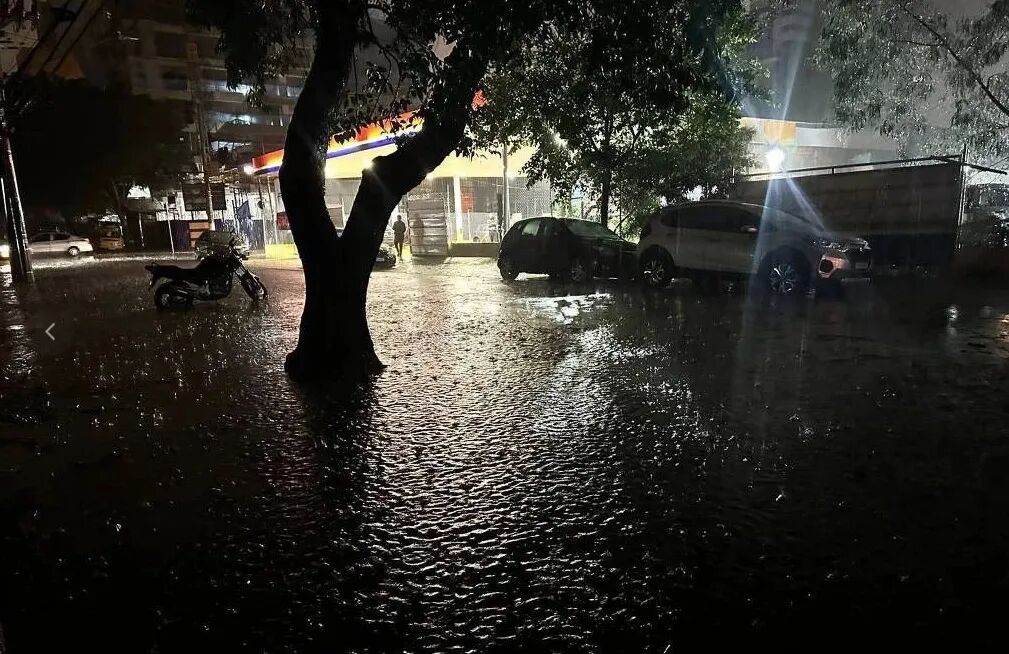
Even after the storm passed, power restoration progress remained slow. According to Enel SP, São Paulo’s national electricity company, 1.6 million users were still without electricity 14 hours after the storm subsided, and to date, over 400,000 users continue to face ongoing outages. The Brazilian Minister of Mines and Energy (MME) has publicly demanded that Enel SP restore full power supply within three days, or face severe penalties.
The heavy rainfall has also brought serious consequences to the state. Fire and civil defense units dealt with over 500 related incidents across the state, including fallen trees and collapsed walls, and some areas also suffered damage to transmission towers, greatly disrupting power supply and economic activities. The power outages have not only impacted daily family life but have also left many businesses grappling with inventory build-up and an inability to deliver on schedule — from small shops to large manufacturers, none have been spared — further dragging down Brazil’s overall economic performance.
It is also worth noting that the water supply system is facing a crisis due to power outages, especially in higher-altitude areas where tap water pressurization and distribution equipment rely on continuous power supply, leaving some residents without running water. This chain reaction has further compounded the hardships faced by local communities.
As one of Brazil’s major coffee-producing regions, São Paulo state has already endured multiple extreme weather events this year, including droughts, forest fires, and heavy rains, casting a shadow over the growth environment for the new coffee season. Earlier, much of South America faced severe threats from drought and wildfires, with approximately 22.38 million hectares of forestland in Brazil consumed by flames, among which 46 cities in São Paulo state declared a state of emergency due to fires in August.
Although the meteorological department had predicted earlier in early October that several regions, including Rio Grande do Sul, Santa Catarina, and São Paulo, might receive up to 100 mm of rainfall to alleviate the drought, in reality, the historic storm triggered by the extreme winds not only destroyed power and building infrastructure but also caused multiple casualties and prolonged power outages, with some areas remaining without electricity for up to three days.
Currently, Brazil’s coffee crop has entered the planting phase of the new season, but previous fires have already destroyed parts of coffee plantations, resulting in significant losses. Although the recent heavy rain has provided some relief to the drought, the effect has been limited. Data shows that São Paulo state received only 15.21 mm of rainfall in October, far below the historical average of 124.46 mm. Coupled with persistently high temperatures — the monthly average was about 26°C, 6.5°C higher than the historical mean of 19.5°C — meanwhile, another major Brazilian producing region, Minas Gerais, received only 33.4 mm of rainfall in the past week, also below normal levels, posing unfavorable conditions for coffee growth.
Industry insiders have begun to lower production expectations for the 2024/25 season, with some institutions predicting a decline of more than 6.8%. Due to continuously lower-than-expected coffee output from major producing countries such as Brazil and Vietnam, the international coffee supply has tightened and prices remain high. Recently, ICE Arabica coffee futures rose by 3.71%, and Robusta coffee futures also saw a 3.40% increase. If the situation in Brazil’s producing regions does not improve quickly, there remains pressure for prices to stay elevated in the future.

Further analysis shows that São Paulo state’s coffee processing plants are mostly concentrated in the southern areas near the Port of Santos. The power outages have not only led to inventory backlogs at these processing facilities but may also affect the quality of coffee bean processing and delivery schedules, posing potential threats to the export supply chain. In addition, power cuts and transportation disruptions may also exacerbate port operation delays, further impacting the global import schedules of coffee beans and the balance of market supply and demand.
The above content is compiled by CoffeeHunters, a coffee news website.


