








Introduction:Tensions in the Red Sea have escalated, with the Houthi militants frequently attacking commercial vessels, leading to major disruptions in international shipping. In 2025, global logistics face challenges such as rerouting around the Cape of Good Hope, soaring freight costs, and port congestion, with the coffee trade being hit the hardest. This article delves into how the Red Sea crisis is affecting coffee transportation and market prices, while also exploring the current state and future trends of the global supply chain.
The Houthi militants in Yemen continue to launch attacks in the Red Sea and the Indian Ocean, claiming their targets are related to Israel, which has heightened tensions in the region. Due to safety concerns, several major international shipping companies predict that normal navigation in the area will remain difficult in 2025 and have chosen to reroute around the Cape of Good Hope at the southern tip of Africa. This not only significantly increases travel time by 10 to 14 days but also leads to a sharp rise in global logistics costs, directly impacting the coffee trade, which heavily relies on sea transport.
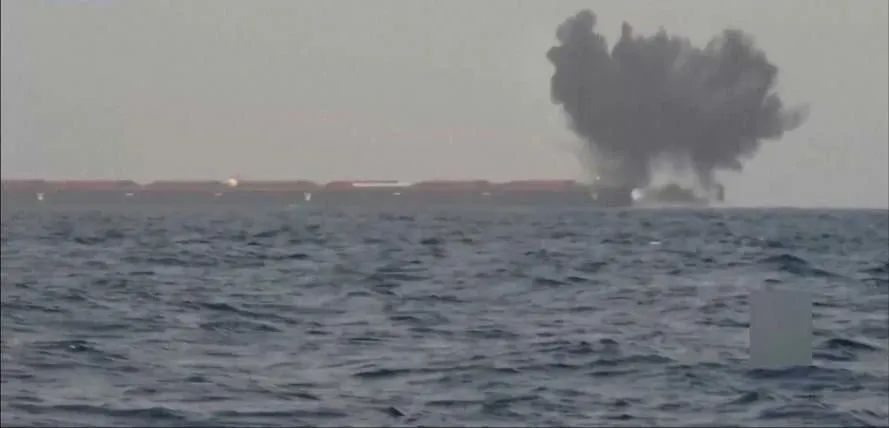
The UK’s Maritime Trade Operations office reported that the Houthi militants recently claimed responsibility for two attacks on commercial ships off the coast of Yemen. One of the vessels, named the Olympic Spirit, was struck by 11 ballistic missiles and two drones, causing visible damage to the hull, though fortunately no casualties were reported. Houthi representative Yahya Sarea publicly accused the ship of being a “U.S. oil tanker.” Additionally, a cargo ship flying the Liberian flag, carrying chemicals and traveling from Jeddah, Saudi Arabia to Muscat, Oman, was hit by an unidentified flying object near the port of Hodeidah. Although only slightly damaged, the incident raised concerns about the safety of the shipping route.

A Houthi spokesperson further stated that they launched a missile attack on the Saint John in the Indian Ocean, accusing the ship’s company of violating the ban on entering occupied Palestinian ports, though this claim has not been officially confirmed. Since the escalation of the Israel-Gaza conflict in October last year, the Houthi militants have carried out nearly 80 attacks on commercial vessels in the Red Sea to pressure Israel, resulting in transportation disruptions and losses. As Israel’s military operations in Gaza and Lebanon intensify, the Houthi’s actions have become more frequent, further worsening the situation in the Red Sea.
To avoid risks, many international cargo ships have opted to bypass the Suez Canal and reroute around the Cape of Good Hope, not only extending transit times but also exacerbating congestion at global ports. Meanwhile, strikes at U.S. East Coast ports and the impact of Hurricane Milton have led to a large backlog of containers, further disrupting the supply chain. Many ships have diverted to ports in southern Africa, such as Kenya and Tanzania, but due to inadequate local infrastructure, goods have piled up and processing efficiency has declined, worsening the container shortage.
For the coffee industry, these changes have brought unprecedented challenges. Freight rates on Eurasian routes have skyrocketed, with some Asia-to-Europe coffee shipments seeing costs increase nearly sevenfold, forcing many buyers to reduce orders and leading to a sharp decline in coffee exports, which directly impacts the income of coffee farmers. The surge in freight rates, coupled with reports of reduced production in major growing regions, has caused international coffee prices to rise rapidly.
According to data from the International Coffee Organization (ICO), the average monthly composite indicator price for coffee in September 2024 reached 258.90 U.S. cents per pound, an 8.4% increase from the previous month and a 69.1% rise compared to the same period last year. Futures prices for both Arabica and Robusta coffee have also climbed to their highest levels since 2011 and 1977, respectively. The ICO analysis points out that this price surge is mainly driven by climate anomalies causing reduced production in multiple countries, global logistics disruptions, and geopolitical tensions, with high prices expected to persist in the short term.
In summary, the Red Sea crisis is not just a regional security conflict but has far-reaching implications for global trade and the supply chain, especially for commodities like coffee that rely heavily on stable transportation. From soaring freight costs to port congestion, reduced production in growing regions, and spiking prices, every link directly affects the interests of both consumers and producers. Over the next year, the market will continue to monitor whether the situation in the Red Sea eases and whether global logistics can gradually stabilize.
The above content is compiled by CoffeeHunters, a coffee news website.


