







Introduction:Want to understand how Brazil’s unique pulped natural processing method affects flavor? This article delves into the steps and advantages of the Pulped Natural process, explores the characteristics of Brazil’s four major coffee-growing regions, and combines actual cupping results to help you master this processing style that balances cleanliness with a rich body—whether you prefer pour over or espresso.
Brazil is not only the world’s largest coffee producer but also has deep expertise in coffee processing techniques. Among these, the pulped natural process—a method that blends elements of washed and natural processing—is widely used in local specialty coffee production. This article will detail the practical workflow of this processing method, compare it with traditional natural processing, and analyze the terroir of several key Brazilian coffee-growing regions, helping readers fully grasp the uniqueness of Brazilian coffee from both flavor and technique perspectives.
As a country responsible for about one-third of the world’s total coffee production, Brazil’s coffee cultivation history dates back to the 19th century. Its coffee is known for being full-bodied, low in acidity, and featuring distinct nutty and cocoa notes. This flavor profile makes Brazilian beans commonly used as the base for espresso blends and highly favored by consumers who prefer balanced taste. The pulped natural process is one of the key factors shaping this style.
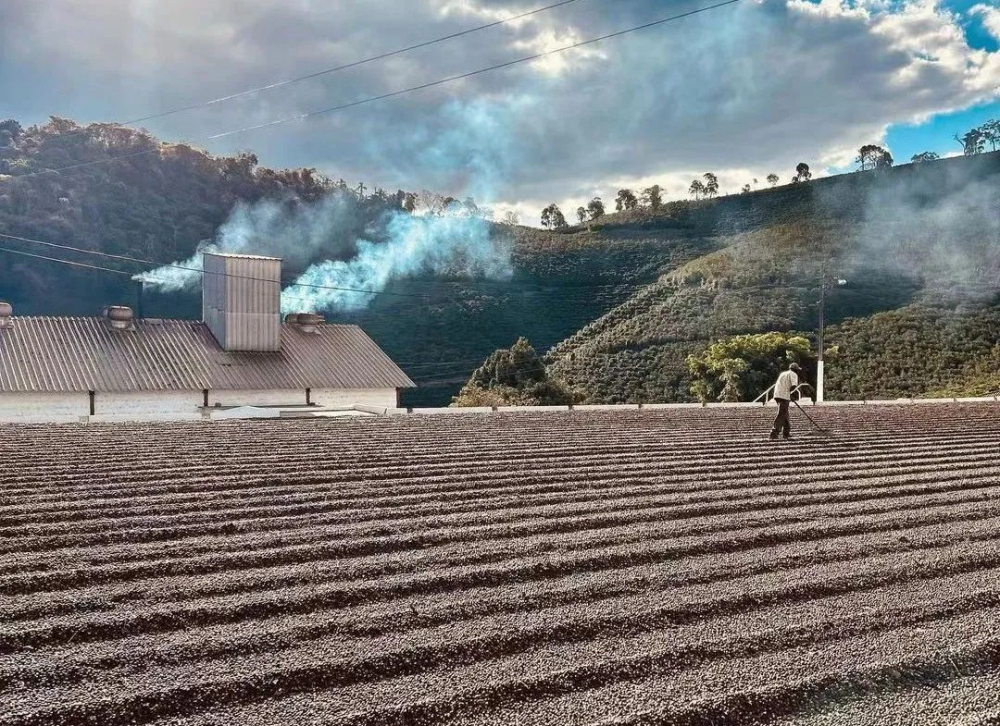
As the name suggests, the pulped natural process is a compromise between washed and fully natural processing. The process starts similarly to the washed method: coffee cherries are first cleaned and floated to remove unripe or defective ones. Next, a pulper is used to remove the skin and pulp, but unlike the washed method, there is no fermentation in water tanks. Instead, the beans, still coated with some mucilage, are directly dried in the sun. This step not only reduces water usage but also lowers the risk of over-fermentation or uneven fermentation.
Compared to traditional natural processing, pulped natural processing allows for more precise control over drying time and fermentation levels because the pulp has already been removed. It typically requires a shorter drying period, which helps improve overall processing efficiency. In addition, since the mucilage layer remains partially intact, it can impart richer sweetness and body than fully washed coffee, yet remains cleaner and more consistent than fully natural coffee—making it a preferred method for many Brazilian specialty coffee farms.
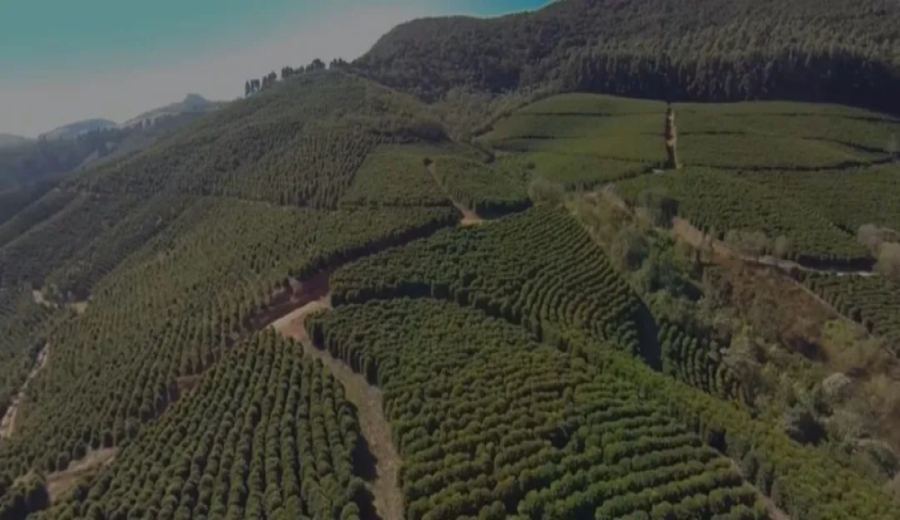
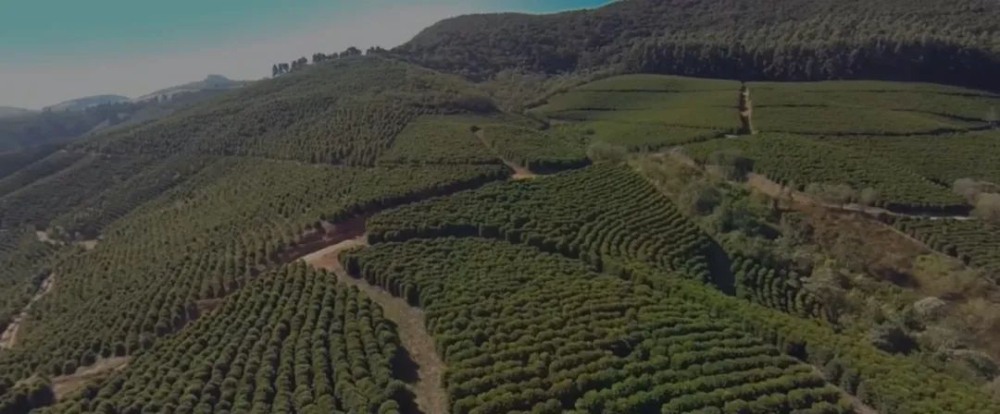
Coffee is grown in 17 of Brazil’s 26 states, but production is mainly concentrated in four states: Minas Gerais, Espírito Santo, São Paulo, and Paraná. These regions together account for over 80% of the country’s total output and cultivate both Arabica and Robusta. When focusing on the specialty coffee sector, São Paulo and Minas Gerais are the most renowned.
Among them, São Paulo state produces only Arabica, and it has the highest coffee-growing altitude in all of Brazil—the Mogiana sub-region in the northern part of the state, with an average elevation of 900 to 1100 meters. This area is not only known for its railway history but also features hilly terrain that largely relies on manual harvesting, resulting in more meticulous farming management. This region, along with Cerrado and Sul de Minas in Minas Gerais, is considered one of Brazil’s three premier specialty coffee-producing areas.
The soil in the Mogiana region is rich in minerals. Though it is not suitable for large-scale machinery, it helps produce coffee with complex flavor layers. Well-known farms in the area, such as Fazenda Rainha (Queen Estate), primarily grow Yellow Bourbon—a Brazilian mutation of the Bourbon variety that ripens into a rare orange-yellow fruit. The estate consistently emphasizes environmental sustainability and quality consistency, and it has been featured multiple times in Brazil’s Cup of Excellence (COE) competition.
When cupping Fazenda Rainha’s pulped natural Yellow Bourbon, one often notices a prominent sweet flavor profile—such as sugarcane, chocolate, and nut aromas—along with delicate caramel notes and a soft mouthfeel. The bitterness is mild and clean, making it an excellent choice for coffee lovers who prefer lower acidity and want to explore the depth of Brazilian flavors. This coffee is also recommended by many shops as a great entry-level option for beginners learning pour over.
The above content is compiled by CoffeeHunters, a coffee news website.


