








Introduction:Want to craft a rich and creamy milk coffee using a pour over base, but struggling with the technical hurdles of extracting directly with milk? This article delves into the three major challenges of using milk instead of water for pour over—temperature limitations, component interference, and ratio blending—and offers expert advice, including the ideal milk temperature range and milk-to-coffee ratio for lattte, helping coffee enthusiasts create balanced, flavorful milk coffee at home.
Pour over coffee, with its bright and clean flavor profile, is a daily favorite for many coffee lovers. However, when you occasionally crave a smooth and velvety milk coffee and think, “Why not just pour over with milk directly and skip the later milk addition?”—the answer is: it’s technically possible, but if you want a coffee that’s flavorful and well-balanced, you must face three key challenges—temperature control, extraction interference from milk components, and mastering the ratio and blending techniques.
Let’s start with the most critical issue:Milk’s Temperature Limitations. Typically, pour over coffee requires high water temperatures to fully extract the essence of coffee beans within a short time—especially for light roasts, where 90°C to 96°C is generally recommended. Even for dark roasts, a minimum of 86°C is needed. However, milk is a heat-sensitive liquid; once its temperature exceeds70°C, the proteins and lactose begin to denature or break down, which not only affects the milk’s inherent aroma and sweetness but can also make the texture thin or even rough. Therefore, if you insist on using milk as the extraction medium, the temperature must be kept below 70°C—but doing so drastically reduces extraction efficiency, making it difficult for the coffee’s flavor compounds to fully release. The result is often just warm milk with a faint coffee taste, lacking depth and distinct layers of flavor.

Of course, some coffee enthusiasts might wonder: could adjusting other parameters—like using a finer grind or extending extraction time—compensate for the insufficient extraction caused by low temperatures? Theoretically, this is a viable direction, but in practice, due to the vast physical and chemical differences between milk and water, even with adjustments to grind size and time, it’s still hard to overcome the fundamental limitations posed by temperature, and the desired coffee flavor profile remains difficult to achieve.
Next is the second commonly overlooked challenge:Milk’s Rich Components Interfere with Extraction. Many might assume that any liquid that can be heated can be used to extract coffee—but that’s not the case. Even without considering temperature, the composition of milk is vastly different from pure water. Milk is rich in fat, proteins, lactose, and various minerals. These components not only affect heat conductivity but may also react complexly with the acids, aromatic compounds, and bitter elements in coffee, disrupting the normal extraction process. This can lead to impure flavors, or even off-notes and dullness in the final cup.
In contrast, professional pour over typically recommends using filtered water with carefully selected mineral content—water that contains appropriate levels of calcium, magnesium, potassium, sodium ions, and a balanced amount of bicarbonate. This enhances both the extraction efficiency and balance of coffee flavors. In contrast, milk’s high fat and protein content not only fail to provide such benefits, but may actually act as a barrier, reducing the release rate of coffee compounds.

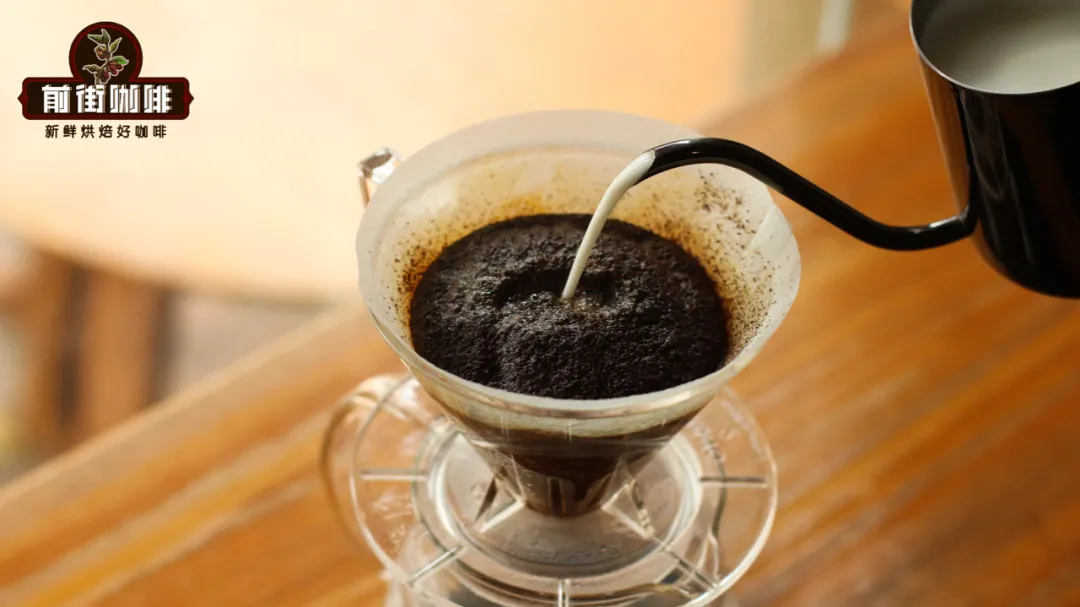
Finally, the last crucial aspect is thetechnical challenge of ratio and blending. Even if you overcome the issues of temperature and components, figuring out the right proportion of milk to coffee and ensuring they blend uniformly during extraction are key to the final texture. The golden ratio of regular pour over coffee to milk varies by drink type—for example, a classic latte usually has a coffee-to-milk ratio of 1:3 to 1:5, adjustable to personal taste. If you’re extracting directly with milk, you need to more carefully control the total liquid volume and coffee grounds ratio to avoid over-dilution or excessive strength.
Additionally, the fluidity and viscosity of milk differ significantly from water, which affects the penetration of the water flow and the uniformity of extraction—thus impacting flavor consistency. So, if you really want to try pour over with milk, it’s best to start with small experiments, gradually adjusting each parameter, and recording the extraction conditions and taste feedback each time, in order to find the formula that best suits your palate.

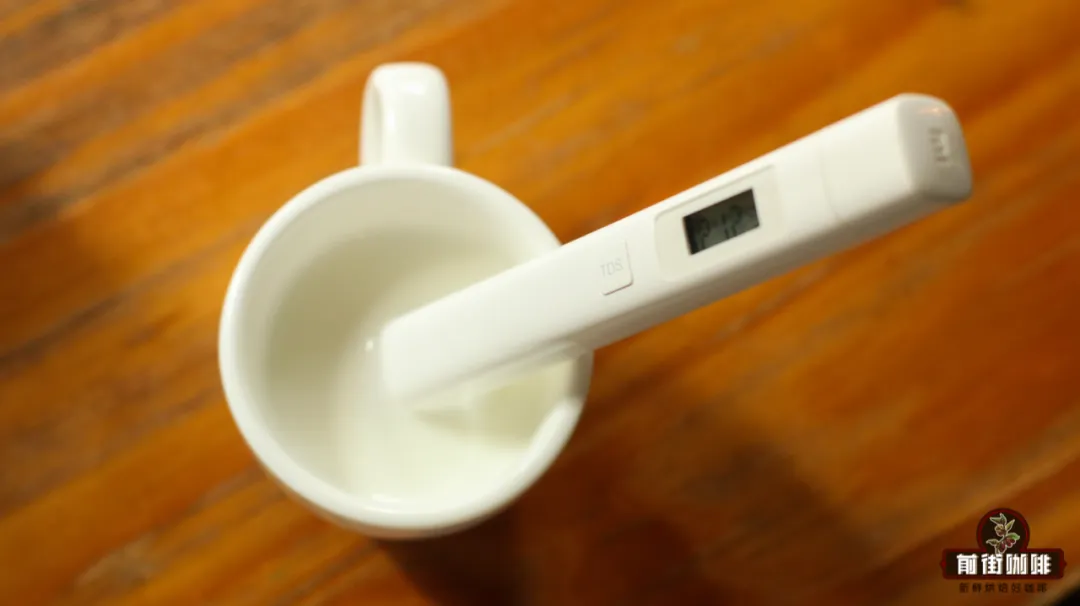
In summary, although it is technically possible to try pour over with milk instead of water, achieving a truly flavorful and well-balanced milk coffee still requires addressing and overcoming the three core challenges: temperature limitations, component interference, and ratio blending. For most coffee lovers, a more practical and stable approach is to brew the pour over coffee first, then add appropriately tempered milk—this ensures the quality of the coffee extraction itself, while allowing more precise control over the overall flavor profile, so you can easily enjoy a perfect milk coffee tailored to your taste.
The above content is compiled by CoffeeHunters, a coffee news website.


