







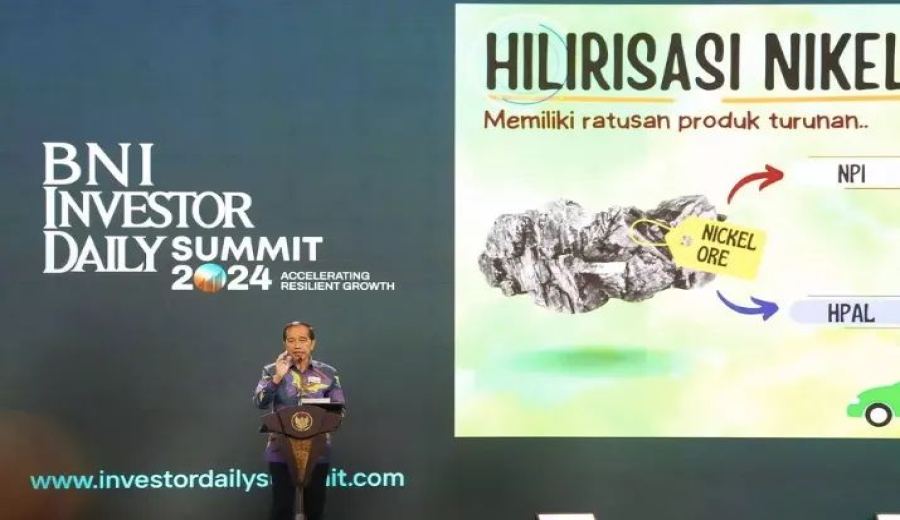
Introduction:Indonesian President Joko Widodo recently stated at an investors' summit that the government is considering banning the export of unprocessed agricultural products such as coffee and cocoa, aiming to enhance domestic processing value through a strategy of resource downstreaming. If this policy is implemented, Indonesia — the world’s fourth-largest coffee producer — may significantly adjust its export volumes, further impacting the global market’s supply-demand balance and price trends. This article provides an in-depth analysis of the policy background, historical precedents, and potential market effects, bringing you the latest updates.
During the 2024 BNI Daily Investors Summit, Indonesian President Joko Widodo revealed that the Indonesian government is studying the implementation of an export ban on unprocessed agricultural products such as coffee and cocoa, with the goal of advancing the national development strategy of “resource downstreaming.” If this policy is officially enacted, it could lead to major changes in the supply structure of Indonesia — the world’s fourth-largest coffee exporter — and may also exert renewed upward pressure on global coffee prices.
At the BNI Daily Investors Summit held in Jakarta from October 8 to 9, 2024, President Widodo pointed out that despite global economic challenges — including climate anomalies, slowing growth, and geopolitical instability — Indonesia achieved a 5.08% economic growth rate in the second quarter of 2024. He further estimated that Indonesia’s per capita GDP will exceed US$7,000 within the next five years and has the potential to reach US$9,000 within ten years. To achieve this goal, the government has proposed two key strategies: “resource downstreaming” and “digitalization.”
Looking back to early 2020, Indonesia implemented a similar downstreaming policy by imposing an export ban on nickel ore, requiring that the ore be smelted or refined domestically before being exported, thereby attracting foreign investment in local processing facilities. Although this move initially drew backlash from trading partners such as the European Union, it ultimately succeeded in boosting Indonesia’s nickel processing capacity, increasing export value from approximately US$1.4–2 billion per year to over US$34.8 billion currently.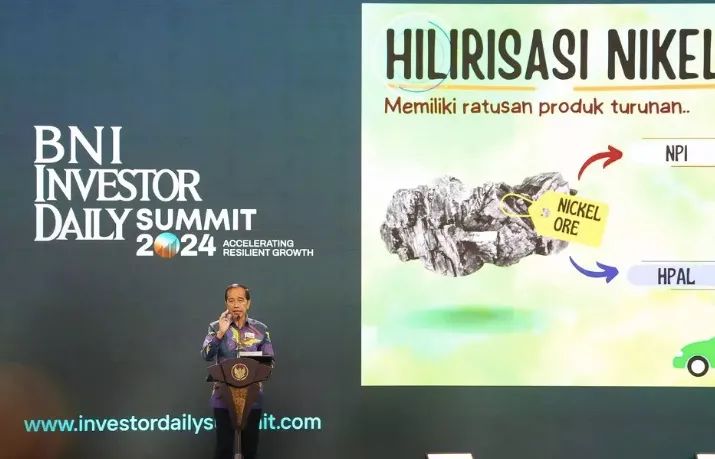
President Widodo believes that this successful model of “local processing of resources” can be replicated in other agricultural sectors. Currently, the Indonesian government is considering formulating localized processing plans for raw materials such as coffee beans, cocoa, pepper, and patchouli — similar to the nickel ore policy — expanding the downstreaming strategy to the agriculture, maritime, and food sectors. He further emphasized the need to foster labor-intensive processing industries, strengthen the concept of resource sovereignty, and retain added value domestically. Whether for food, beverages, or cosmetic products, the direct export of unprocessed raw materials should be minimized as much as possible.
In fact, there is a precedent for banning the export of unprocessed coffee, the most notable example being Jamaican Blue Mountain coffee. In 2009, due to the market being flooded with counterfeit Blue Mountain-flavored products, the Jamaican government introduced the National Export Strategy, which required Blue Mountain coffee to be roasted at its place of origin to enhance product purity and brand value. At that time, roasted coffee beans could be sold for as much as US$39.7 per kilogram, significantly higher than the US$32.2 per kilogram for green beans, helping to increase export revenues and GDP contributions.
However, as international markets trend toward liberalization and consumer demand for freshly roasted specialty coffee rises, Jamaica has gradually relaxed relevant export restrictions, and the export of green beans is now permitted. This shows that while a ban on green bean exports may help preserve brand value in the short term, long-term viability still depends on market demand and trade conditions.
Currently, Indonesia is the world’s fourth-largest coffee-producing country, with approximately 1.2 million hectares of coffee-growing area and 1.4 million hectares dedicated to cocoa cultivation. Official estimates put Indonesia’s annual coffee production at around 11.5 million bags, but due to strong domestic consumption, only about 6.7 million bags are actually available for export. In the 2024/25 season, Indonesia’s total coffee production is expected to reach 10.9 million bags, of which approximately 4.8 million bags will be consumed domestically, with over half still being exported.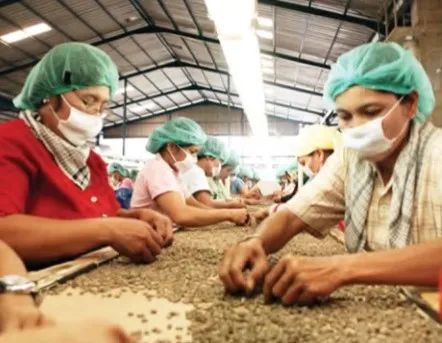
If Indonesia were to implement a ban on the export of green coffee beans in the future, the global market would face increased supply pressure, especially against the backdrop of reported production declines in major producing countries such as Brazil and Vietnam. Coffee prices are very likely to rise further. However, given the continued strong global demand for green coffee beans and the growing preference among consuming countries for local fresh roasting, the feasibility and actual effectiveness of such a policy in Indonesia remain subject to considerable variables and challenges.
The above content is compiled by CoffeeHunters, a coffee news website.


