








Introduction:Have you ever struggled to fit 18 grams of coffee grounds into an 18-gram portafilter basket? This practical guide dives deep into the relationship between basket capacity and grind size, helping you understand why you shouldn’t fill it to the brim, the principles behind leaving space, and how to judge whether your grind is just right based on extraction performance. Master these details, and making stable espresso at home will no longer be a challenge.
Many home baristas who attempt to make espresso often encounter a puzzling phenomenon: even though they’re using what’s labeled as an 18-gram portafilter basket, they simply can’t fit in 18 grams of coffee grounds. In some cases, after tamping, the portafilter won’t even fit properly into the machine’s group head. This common issue actually hides key knowledge about the interplay between basket design and grind size.
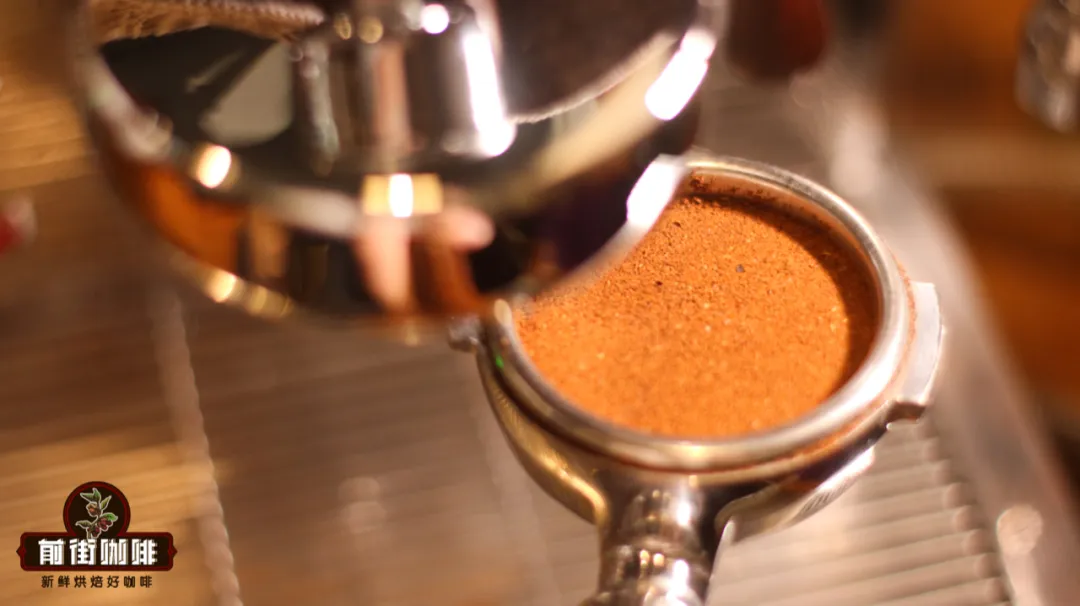
Through the real-life experience of an amateur barista, we found that the problem often doesn’t lie with the equipment itself, but rather in the delicate balance between the amount of coffee and the density of the coffee puck. When coffee grounds are overly compacted, the resulting puck may come into direct contact with the bottom of the group head, preventing the portafilter from seating fully. This situation is especially common when beginners try to “fill the basket to the top.”

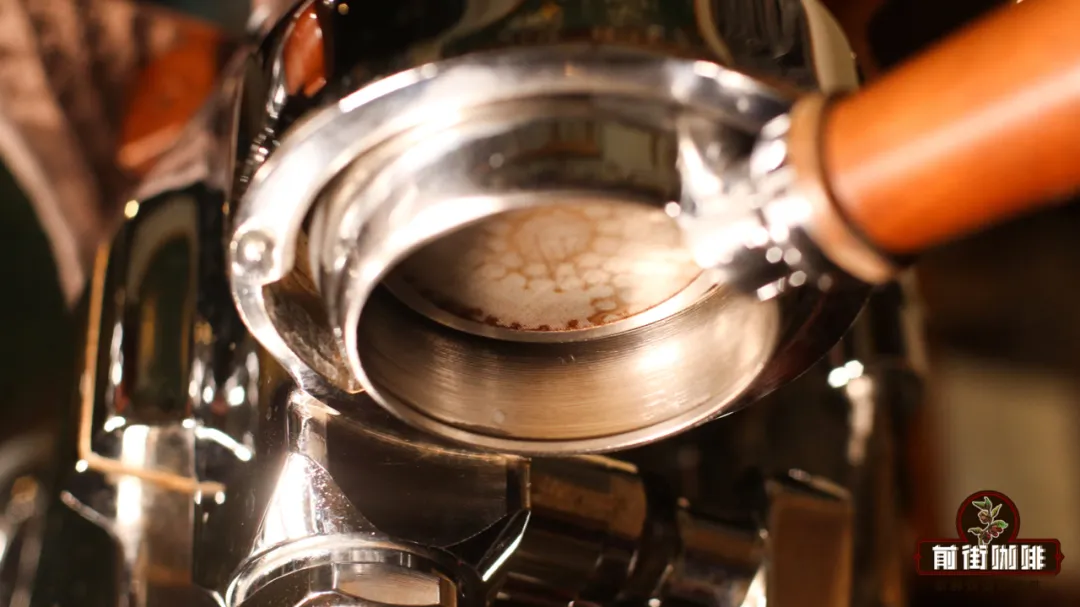
A closer look reveals that the majority of commercial espresso machines feature group heads with an outwardly protruding structural design. When the portafilter is installed correctly, this protruding metal part extends about 3–5 millimeters into the basket. This precisely calculated reserved space ensures that water can evenly penetrate the puck during pressurized extraction. Therefore, basket manufacturers base their recommended dose ranges on this mechanical structure.
The professional recommendation is to strictly follow the dose range indicated in the basket’s product manual, which is typically slightly less than the basket’s actual physical capacity. For example, an 18-gram basket may perform best with a dose range of around 16–18 grams, with the exact number adjusted according to your grind size. Overfilling not only makes the process harder but can also negatively affect extraction pressure and flavor.
To judge whether your grind size is appropriate, the most intuitive method is to observe the flow rate and color changes during extraction. Ideal espresso extraction should yield a steady flow of amber-colored liquid, with a single shot taking about 25–30 seconds. If you see a thin stream of golden liquid flowing too quickly, it means the grind is too coarse and needs to be adjusted finer. Conversely, if the liquid flows too slowly and appears dark brown, it may indicate the grind is too fine, causing channeling.
In practice, it’s recommended to use the “micro-adjustment method”: adjust the grinder setting by only 1/4 turn at a time, and observe flavor changes after brewing 3–5 shots. Pay special attention to the balance between bitterness and acidity, as well as the thickness and persistence of the crema. A stable crema should have a honey-like viscosity and remain intact for several minutes without quickly dissipating.
There are several practical tips for judging coffee grind coarseness: pour a small amount of grounds onto white paper and observe the uniformity of particle distribution; gently press the grounds with your fingers to feel the resistance — the ideal state should offer slight granularity without clumping; compare with professional grind size reference charts, such as Italy’s standard “grind range” classifications. Remember, the same coffee beans may require re-calibration of grind settings under different humidity conditions.
Finally, remember that the choice of basket should also match your coffee machine’s pressure system. Commercial-grade machines operating at 9-bar pressure and home machines commonly rated at 15-bar pressure may differ greatly in numbers, but the underlying concepts for required dose and grind size are similar. The key lies in maintaining an effective extraction pressure of 9–10 bar — this is the core factor that determines coffee quality.

The above content is compiled by CoffeeHunters, a coffee news website.


