







Introduction:Tensions in diplomatic relations between Ethiopia and Somalia, coupled with the Red Sea shipping crisis, have led to a sharp decline in the throughput of the Port of Djibouti, severely impacting Ethiopia’s coffee exports. This article delves into how the current situation is driving up coffee bean prices, and explores the challenges facing the industry and future trends.
The diplomatic dispute between Ethiopia and its neighbor Somalia continues to escalate. Recently, Somalia expelled Ethiopia’s second-highest-ranking diplomat in the country, with bilateral relations hitting a new low due to the Somaliland port agreement. At the same time, tensions in the Red Sea region have disrupted operations at the Port of Djibouti, further hampering Ethiopia’s international trade in major commodities such as coffee, resulting in dual pressures on coffee export volumes and production costs.
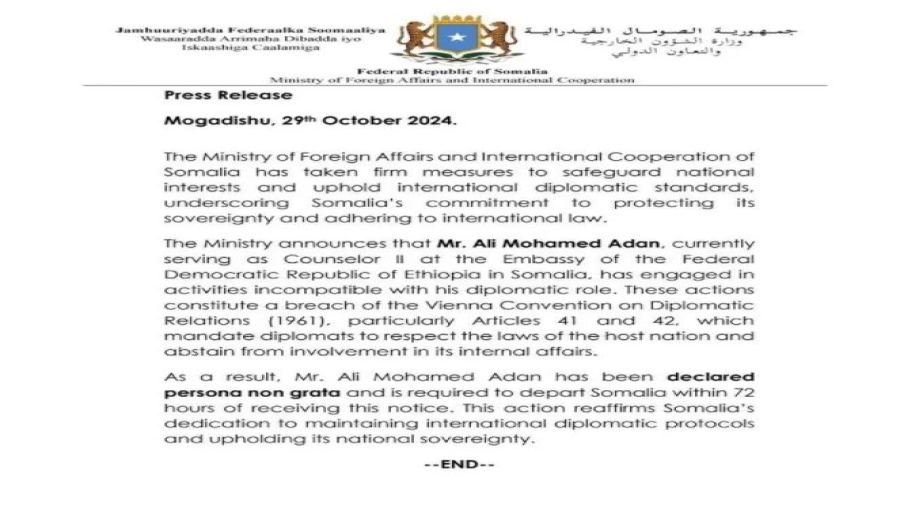
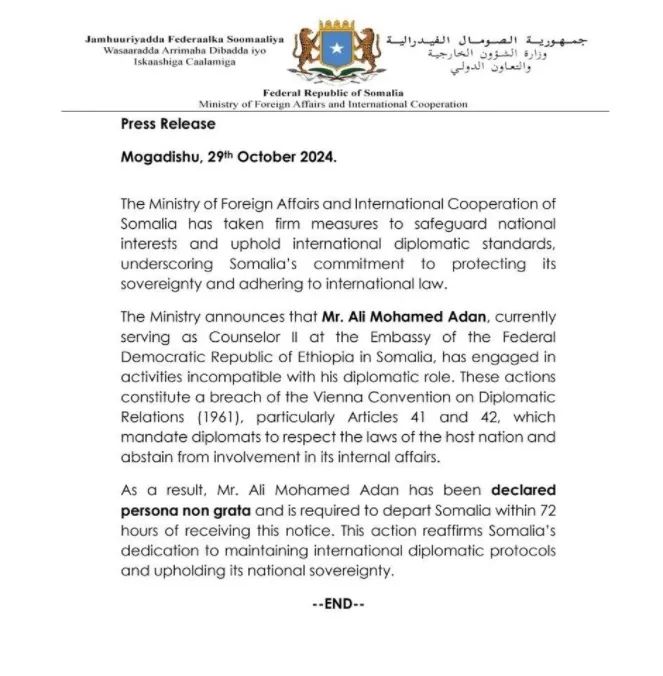
According to local Ethiopian media reports, relations between the two countries are rapidly deteriorating. The Somali Ministry of Foreign Affairs and International Cooperation recently officially declared Ethiopia’s Second Counselor at the Embassy in Somalia, Ali Mohamed Adan, as “persona non grata,” and ordered him to leave the country within 72 hours.
In its statement, the Somali government emphasized that the diplomat’s actions violated Articles 41 and 42 of the Vienna Convention on Diplomatic Relations, which clearly stipulate that diplomats must not interfere in the internal affairs of the host country and must abide by local laws. As a result, Somalia has ordered the immediate departure of the diplomat.
This expulsion is not an isolated incident. As early as April this year, Somalia had demanded that Ethiopia’s ambassador in the country leave within a set deadline and recalled its own ambassador for consultations. The core reason behind the deterioration in relations between the two countries stems from a memorandum signed in January this year between Ethiopia and Somaliland (an autonomous region within Somalia but not widely recognized internationally). According to the agreement, Ethiopia proposed to support Somaliland’s claim to “independence” in exchange for leasing the Port of Berbera, sparking strong objections from Somalia.
Since the exposure of the agreement, Somalia has launched a series of countermeasures against Ethiopia, including pressuring diplomats and adjusting regional cooperation. Egypt has also recently provided military aid to Somalia, including heavy artillery, anti-tank equipment, and armored vehicles, reportedly aimed at strengthening its border defense capabilities. Ethiopia, on the other hand, is concerned that such external military assistance may exacerbate regional tensions.
Due to Somalia’s refusal to honor the port agreement, Ethiopia has so far been unable to use the Port of Berbera, while the southern ports of Mogadishu and Kismayo are also not viable alternatives, forcing the country to continue relying on the Port of Djibouti in a neighboring country for imports and exports. However, the Port of Djibouti is located at the southern entrance of the Red Sea and has been significantly impacted by the recent Red Sea crisis.
Since the outbreak of the Israel-Palestine conflict in October last year, the Houthi militia, in protest against Israel, has carried out multiple attacks on international commercial vessels passing through the Red Sea. To date, over 180 ships have been affected. To avoid risks, shipping companies have diverted routes around the Cape of Good Hope, leading to a significant drop in cargo throughput at the Port of Djibouti and severe disruptions to Ethiopia’s coffee and other commodity exports.

Ethiopian Prime Minister Abiy stated in a recent parliamentary speech that the Red Sea shipping route is vital to the country but emphasized that Ethiopia will not resort to the use of force to secure passage rights. He also mentioned that the two countries are brotherly nations and expressed hope that Somalia would reconsider its own interests. Ethiopia is willing to show restraint to avoid further escalation of the conflict.
In terms of the coffee industry, Ethiopia is currently facing the dual challenges of restricted export channels and soaring costs. Unable to establish new shipping routes and reliant solely on the Port of Djibouti, coupled with the instability in transportation caused by the Red Sea crisis, the efficiency of coffee exports has declined. At the same time, with the peak shipping season approaching, rising freight rates are expected to further increase cost pressures.
In addition, the Ethiopian government’s recent adjustments to fiscal policy have led to a continued depreciation of the national currency, the birr, causing ongoing increases in the costs of imported goods, production, coffee cultivation, and processing. It is understood that Ethiopian coffee bean prices have now been raised across the board by approximately 0.5%. The delay in the implementation of the EU EUDR (EU Deforestation Regulation) has also caused European buyers to slow down their procurement, making it difficult for market demand to recover in the short term.
Considering multiple factors including diplomacy, shipping, currency, and policy, Ethiopia’s coffee industry is going through one of its most challenging periods in recent years. Future price trends still have room to rise, and both industry players and consumers need to closely monitor developments in the situation.
The above content is compiled by CoffeeHunters, a coffee news website.


