







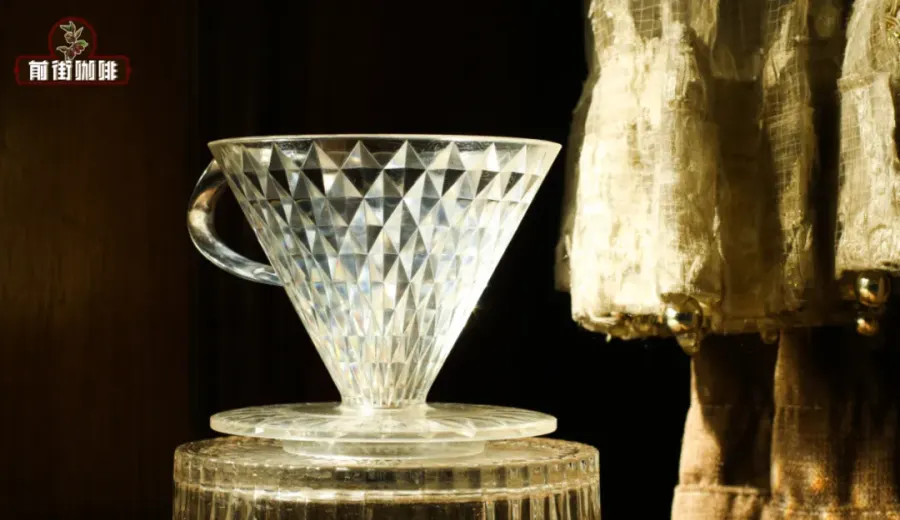
Introduction:Whether you're a beginner or an advanced pour over enthusiast, do you often find yourself hesitating when choosing a dripper? This article takes an in-depth look at the Diamond Dripper from Key Coffee, a century-old Japanese brand. We’ll explore its unique diamond-shaped ridges, showerhead design, and how it differs from the classic V60 in terms of flow rate, degassing, and flavor profile—helping you understand how different drippers affect extraction and find the pour over tool that best suits your flavor preferences.
In the world of pour over coffee, the choice of dripper is no small matter. The material, shape, and channeling design of a dripper all directly influence extraction efficiency, flow rate, and even the final flavor profile. Among the many options, the Diamond Dripper has gradually gained attention among pour over lovers for its distinctive structure and design. This article will take you deep into this diamond-shaped dripper created by the century-old Japanese coffee brand Key Coffee, and compare it with the classic V60 from multiple angles to help you make a more informed decision based on your needs.
Let’s first get to know the brand behind this uniquely shaped dripper—Key Coffee (also translated as Key Coffee). Although the Diamond Dripper may not be as widely seen on the market as some mainstream drippers, its manufacturer, Key Coffee, is a century-old Japanese coffee roasting powerhouse. Founded in 1920, it is one of the key players in Japan’s coffee industry. The brand not only operates numerous stores across Japan that exude a strong traditional Japanese aesthetic—often considered iconic examples of Kissaten (Japanese-style cafes)—but also actively expands overseas and even owns its own coffee plantations, showcasing its comprehensive commitment to the coffee industry.
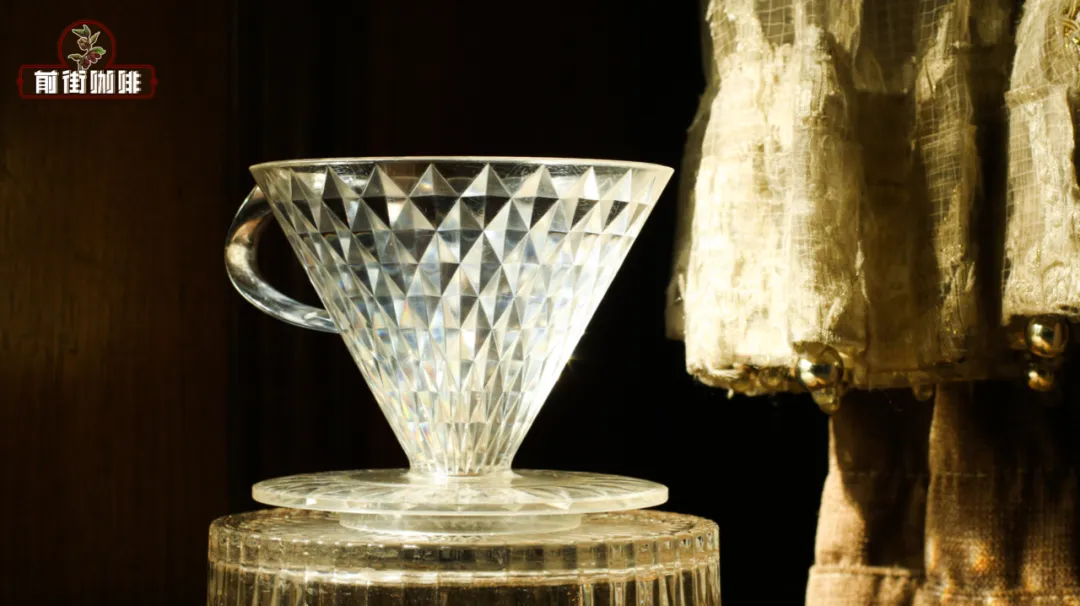
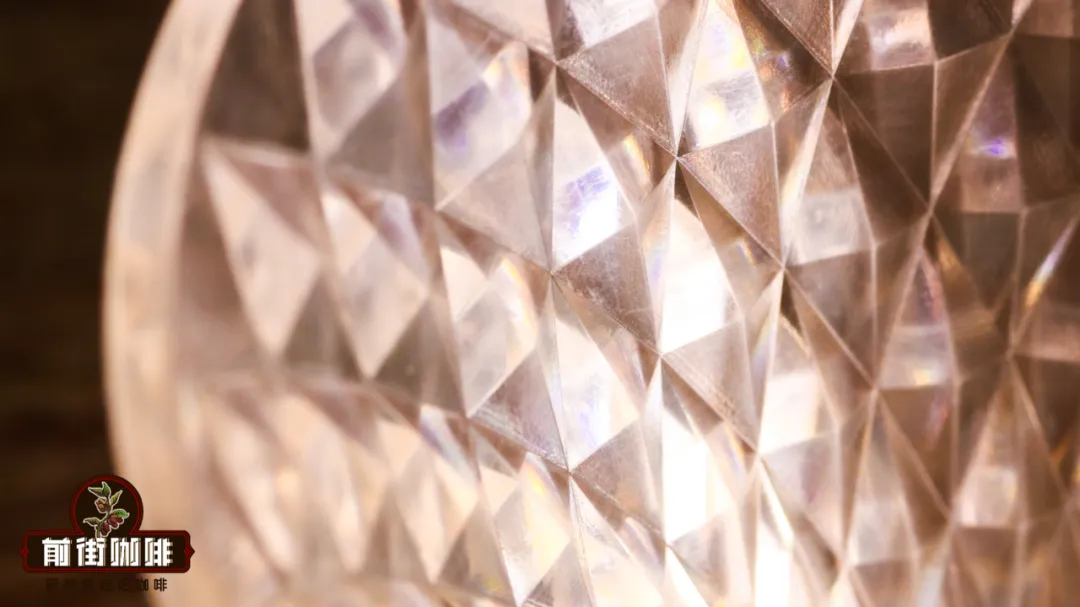
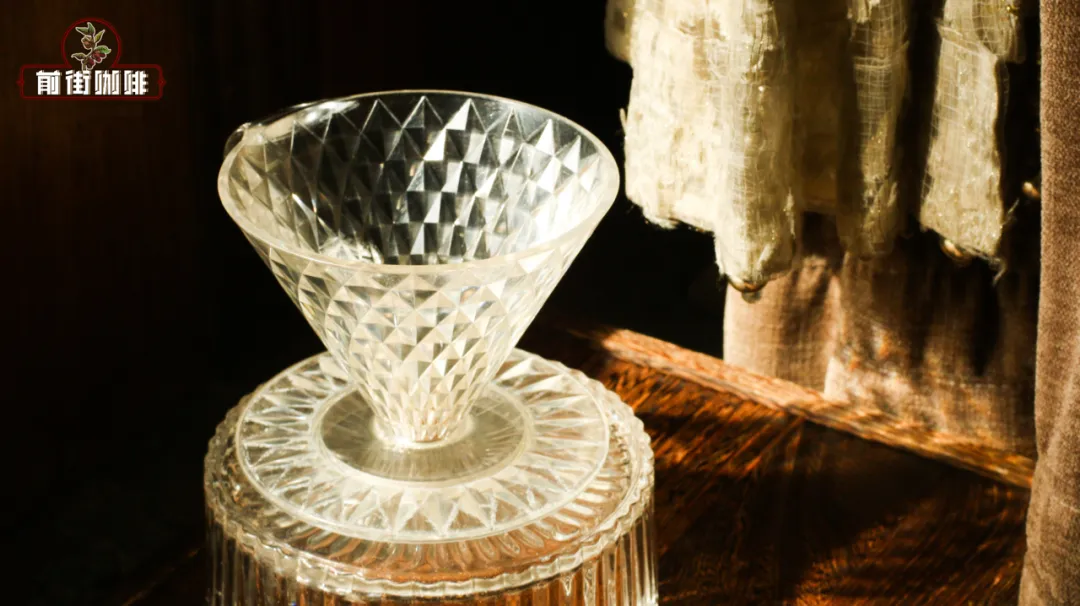
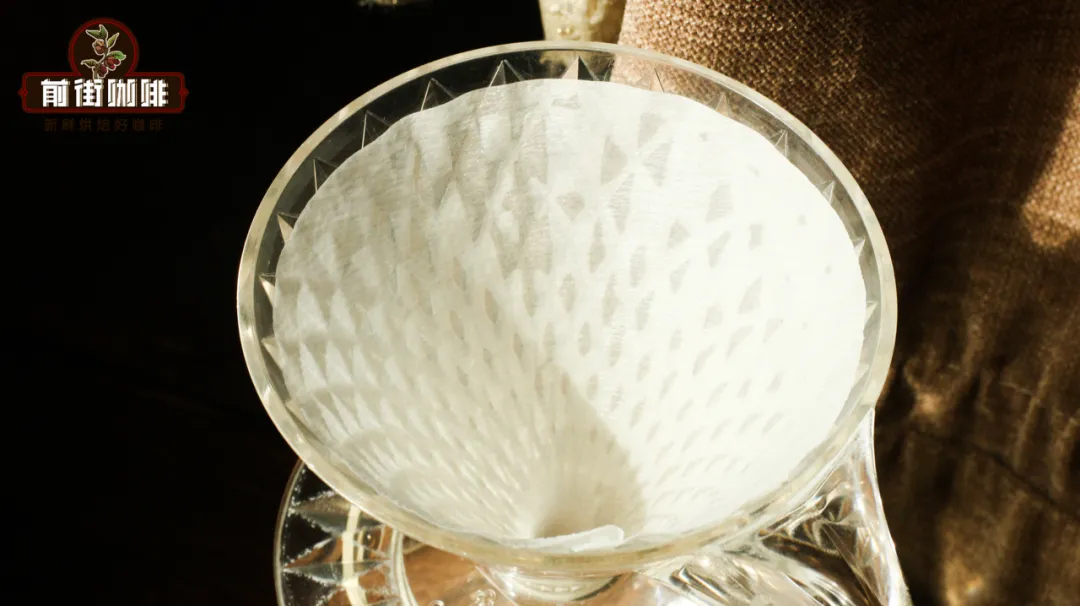
Returning to the Diamond Dripper itself, although its shape resembles the widely popular V60, both being cone-shaped drippers, the details are quite different. The most notable difference is that the Diamond Dripper does not adopt the prominent “ribs” or channels commonly seen on the V60. Instead, it features a large number of angular structures resembling diamond facets. These facets not only serve to support the filter paper but also create specific gaps between the paper and the dripper, enhancing the degassing effect during the coffee extraction process and further influencing water flow speed and flavor expression.

When we take a closer look at the practical differences between the Diamond Dripper and the V60, one of the most obvious sensations is the change in flow rate. Many pour over enthusiasts know that flow rate greatly affects brewing time and coffee concentration. Compared to the V60, which has relatively wide drainage holes and smooth channeling, the Diamond Dripper’s drainage holes are noticeably smaller, naturally slowing down the water flow and resulting in longer contact time between the coffee grounds and hot water.
This structural design also directly impacts the final mouthfeel of the coffee. Under the same grind size and water temperature conditions, coffee brewed with the Diamond Dripper typically yields a richer, fuller body compared to the V60. It can also make certain flavors more concentrated—especially the body and lower-pitched flavor notes (such as nuts and caramel)—are more prominently expressed.
Additionally, the Diamond Dripper’s cone shape, which is narrower at the bottom and wider at the top, helps shape the flow path of the water. Compared to other dripper shapes, this structure more easily guides water to evenly penetrate the coffee bed. However, due to the limitations of the smaller drainage holes, the overall brewing time is slightly extended—which, for users seeking a richer taste or who enjoy savoring the pour over process slowly, becomes an advantage.
It’s worth noting that the angular structure of the Diamond Dripper not only supports the filter paper but also alters its folding curvature, subtly adjusting the air circulation pathways between the paper and the dripper wall. This has a tangible impact on degassing efficiency. Good degassing reduces channeling, leading to more even extraction. If you notice uneven water flow or signs of over-extraction in certain areas during brewing, you might try adjusting the coffee-to-water ratio, grind size, or pouring technique to achieve the best balance.
In summary, the Diamond Dripper is well-suited for pour over enthusiasts who want to explore different flavor profiles and prefer a richer mouthfeel. If you’re already familiar with the characteristics of the V60, why not try the Diamond Dripper and experience its nuanced differences—including control over flow rate, the intensity of flavor concentration, and the overall solidity of the mouthfeel. Both have their unique strengths; the key lies in your personal preference for coffee flavor direction and brewing style.
The above content is compiled by CoffeeHunters, a coffee news website.


