







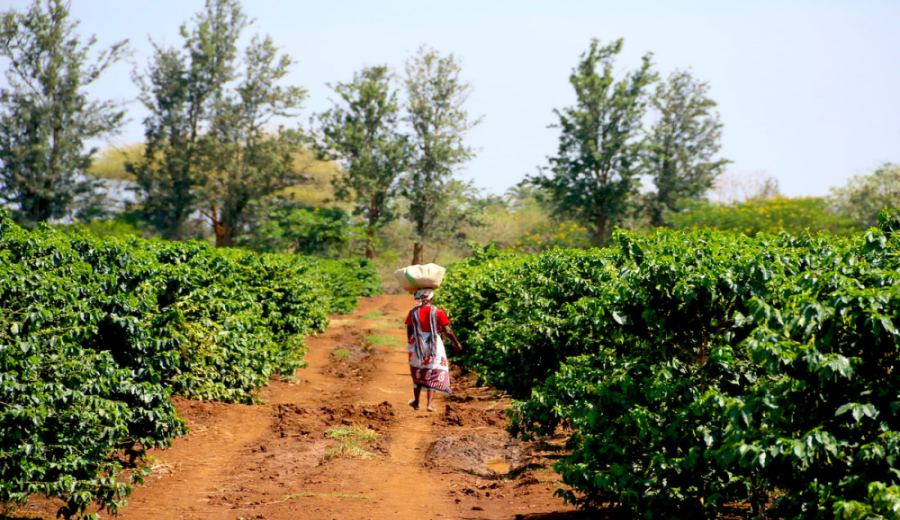
Introduction:Although Tanzania is not the most renowned African coffee-producing country, its diverse terrain and unique microclimates nurture coffee beans with rich flavor profiles. This article takes you deep into the distribution characteristics, climate environments, and coffee flavor profiles of Tanzania’s nine major coffee-growing regions, with a special focus on the washed Typica variety from the Kilimanjaro mountain area. It analyzes the reasons behind its gentle acidity and balanced taste, helping coffee enthusiasts make more accurate judgments when purchasing or brewing pour over coffee.
Although Tanzania may not be as globally famous as its neighbors Ethiopia or Kenya in the world of coffee, its exceptional geographical environment firmly places it among Africa’s top three coffee-producing nations. Most parts of the country lie at elevations above one thousand meters and are profoundly influenced by the geological activity of the East African Rift Valley, featuring numerous volcanic terrains and plateau landforms. These conditions provide an ideal foundation for coffee cultivation.
Located in East Africa, Tanzania has a terrain that trends higher in the northwest and lower in the southeast. The eastern part consists of coastal lowlands, while the western part is dominated by plateaus, which account for about half of the country's total area. The region’s iconic landmark — Mount Kilimanjaro, Africa’s highest peak — is a geological marvel formed by a branch of the East African Rift Valley. The area features a tropical climate, but due to differences in elevation, temperatures and rainfall patterns vary greatly across the region, creating a diverse agricultural ecosystem.
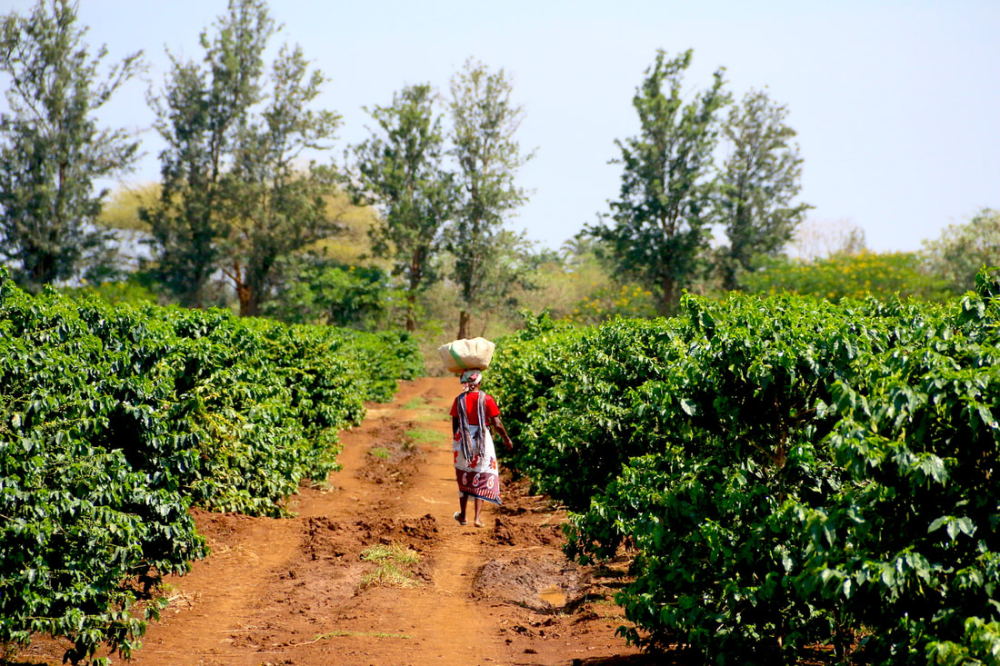
Tanzania’s history of coffee cultivation dates back to the 19th century. According to records, coffee seedlings were first introduced by missionaries from Réunion Island and initially planted in the Bayamoyo and Mogoro regions, later gradually expanding to the Kilimanjaro mountain area in the northeast. Due to frequent volcanic activity, this area has accumulated rich volcanic ash soil with high nutritional content, making it highly conducive to the growth of coffee trees, thus becoming a golden cultivation belt with both yield and quality.
As the cultivation area expanded, local farmers gradually formed cooperatives. Among them, the earliest and most representative is the Kilimanjaro Native Planters' Association (KNRA), which made outstanding contributions to promoting coffee cultivation techniques and quality management. During the colonial period, Tanzanian coffee was mostly grown on large plantations. However, after independence, policies shifted toward supporting smallholder farmers. Today, there are approximately 450,000 small-scale growers in the country, accounting for 90% of total production, with the remainder coming from a small number of large estates.
The country’s coffee-growing regions are divided into nine major areas, scattered across various geographic locations in Tanzania. Among them, Kilimanjaro, Arusha, Ruvuma, Mbeya, Tanga, and Kigoma are relatively well known. Each region, due to differences in altitude, soil, and microclimate, produces coffee with distinct flavor characteristics, offering a wide variety of choices for coffee enthusiasts.
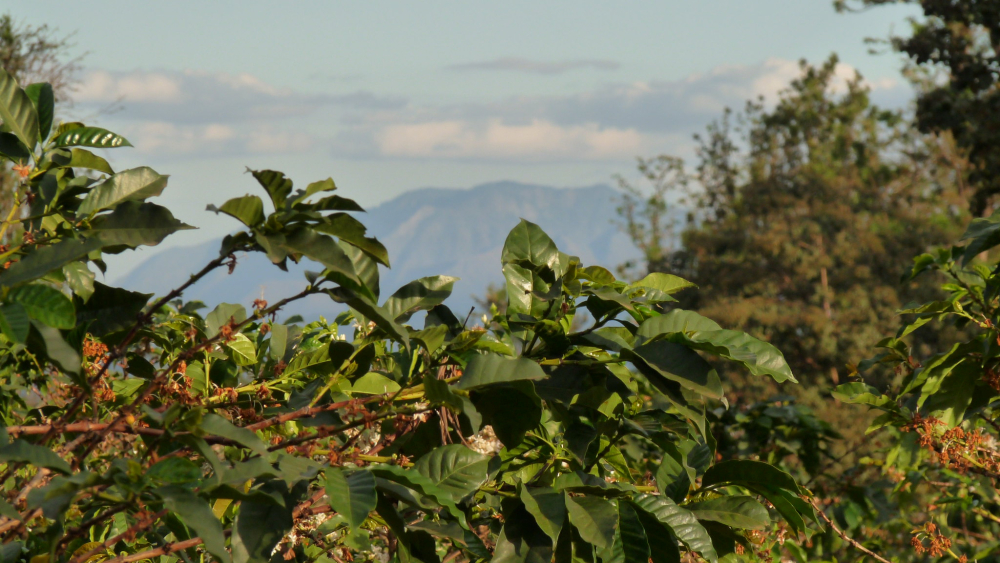
Among the many regions, Kilimanjaro is undoubtedly the most important core area. This region is home to Africa’s highest peak — Mount Kilimanjaro, which stands at 5,895 meters above sea level and is composed of three dormant volcanoes: Kibo, Mawenzi, and Shira. The mountain is majestic, with a diverse climate. Due to the blocking effect of the mountain massif on moist air currents from the Indian Ocean and the dramatic vertical elevation changes, the area encompasses tropical, temperate, and even alpine climates from the foothills to the summit, forming unique "microclimate zones."
The suitable elevation range for coffee growth is approximately between 1,050 and 2,500 meters. This area not only enjoys moderate temperatures but also benefits from abundant orographic rainfall due to topographical effects, providing a stable water supply for coffee trees. Moshi, the capital of the Kilimanjaro region, is also the main hub for coffee collection and processing in the area, with processed beans mostly exported from here to global markets.
Taking a well-known roasting brand’s Tanzanian Kilimanjaro coffee beans as an example, they use the classic Typica variety and are processed using the washed method. This coffee, when brewed, exhibits a gentle acidity, with a clear flavor profile of citrus and berry notes, accompanied by aromas of honey and nuts. The mouthfeel leans toward a tea-like sensation, delivering an overall balanced and delicate performance, making it an excellent choice for pour over coffee.
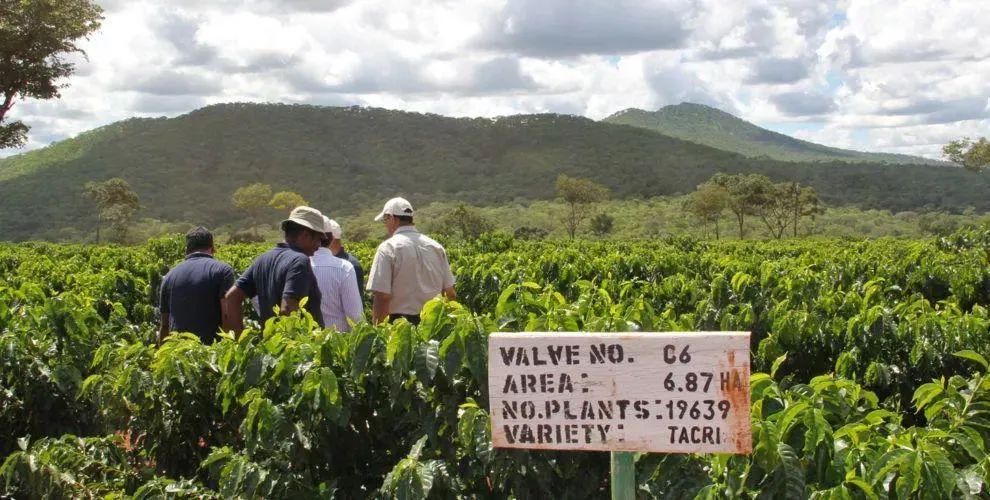
The industry generally observes that Tanzanian coffee, compared to similar products from Kenya or Rwanda, has a more subdued and gentle acidity, but at the same time offers a fuller body and more complex layers of aroma. This characteristic makes Tanzanian coffee tend toward a more balanced overall flavor profile, whether as a single-origin coffee for appreciation or as a base for everyday drinking blends, it can showcase its unique charm.
For consumers or baristas who want to gain a deeper understanding of Tanzanian coffee, mastering the altitude distribution, climate characteristics, and main processing methods of each region will help make more accurate judgments when selecting coffee beans. Whether you’re pursuing bright fruity acidity or a rich mouthfeel, Tanzania’s diverse regions offer corresponding options, worthy of careful tasting by every coffee enthusiast.
The above content is compiled by CoffeeHunters, a coffee news website.


