







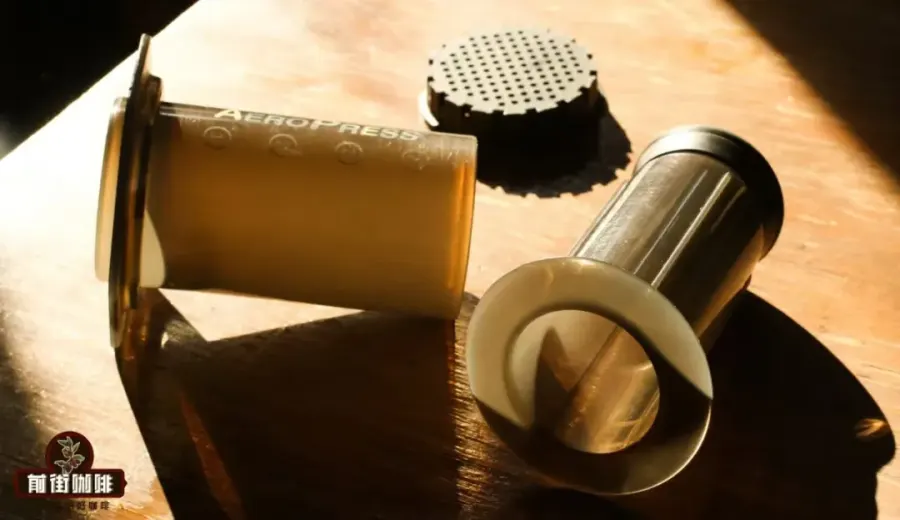
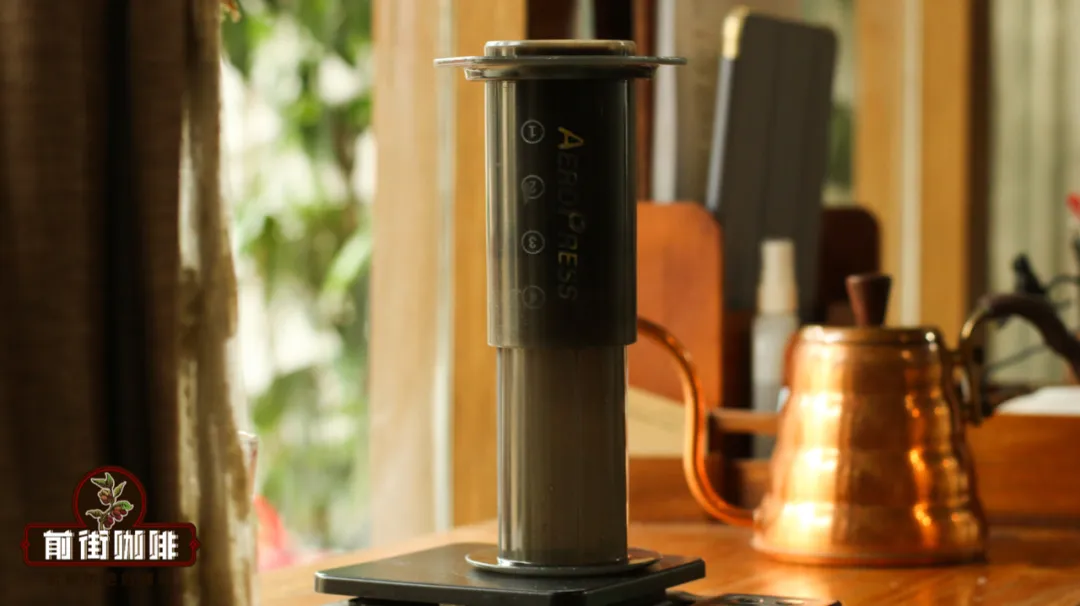
Introduction:The AeroPress is a versatile coffee brewing tool that can produce a wide variety of flavors by adjusting grind size, water temperature, coffee-to-water ratio, and extraction method. This article delves into the principles of both regular and inverted AeroPress brewing, suitable grind sizes, and provides step-by-step guides for both methods to help you master key techniques and achieve your ideal cup.
The AeroPress is an extremely flexible coffee brewing device that allows users to adjust multiple parameters according to their preferences—such as grind coarseness, water temperature, coffee-to-water ratio, stirring time, and pressure intensity—to extract a diverse range of coffee flavors. You can follow the official standard regular method, or experiment with the inverted technique favored by many coffee enthusiasts. This flexibility makes the AeroPress suitable not only for beginners but also for advanced users who enjoy constant experimentation. The brand even hosts an annual AeroPress Championship to encourage creativity and technical skill.
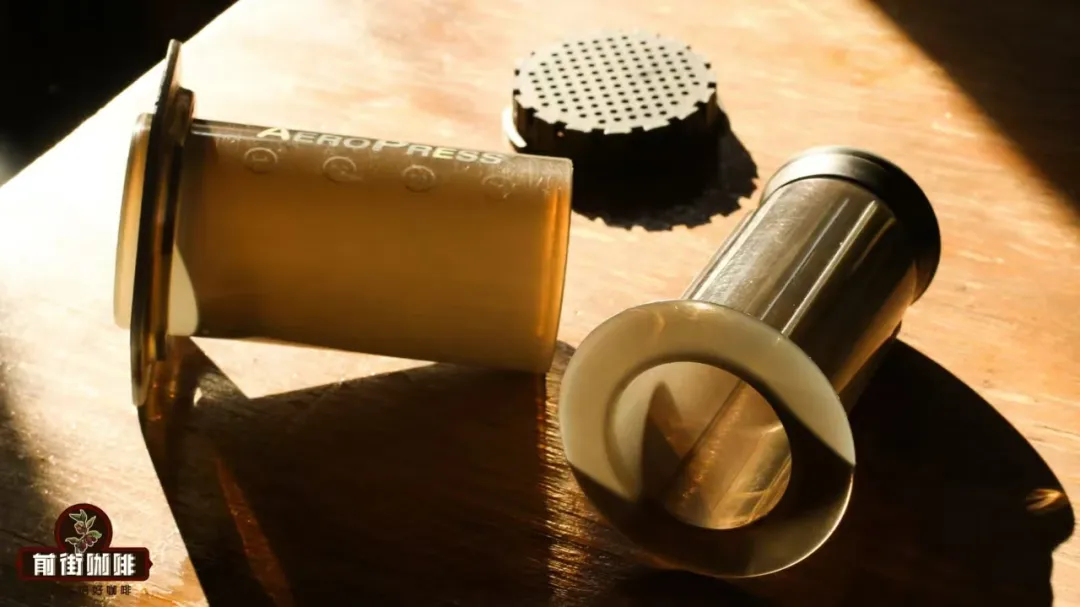
Compared to traditional brewing methods like pour over or French press, the AeroPress’s greatest appeal lies in its versatility. You can follow the official steps for regular brewing, or go the other way around with inverted brewing, combining various variables such as water temperature between 90–96°C and common coffee-to-water ratios of 1:15 to 1:16 to craft your own unique coffee profile. It’s precisely because of this rich variety of approaches that many coffee lovers are particularly fond of the AeroPress and enjoy sharing their brewing insights.

However, many users find that although the official recommendation is the regular method, more people actually prefer the inverted method in practice. Why is the inverted method more popular? Before answering this question, let’s first clarify the definitions and differences between the regular and inverted methods.
The regular method refers to using the AeroPress as originally designed: placing the filter cap on top, mixing coffee grounds with hot water, and then pressing down the plunger to push the coffee through using pressure. This method is somewhat similar to a combination of a French press and espresso, producing a richer and fuller-bodied flavor, suitable for those who enjoy a heavier mouthfeel.
The inverted method, on the other hand, involves turning the AeroPress upside down, placing the coffee grounds and hot water in the base first, letting them steep for a while, then inserting the filter cap, and finally flipping the entire device and pressing down. This approach extends the contact time between coffee grounds and water, helping to extract flavor compounds more fully, and often results in a cleaner, brighter, and more layered cup—thus preferred by many enthusiasts.

So why do most AeroPress users prefer the inverted method? The main reason is that it allows more flexible control over steeping time and pressure release timing, thereby adjusting the coffee’s intensity and flavor profile. Additionally, during inverted brewing, coffee grounds can be more evenly soaked in hot water, reducing channeling effects and helping improve overall extraction stability and consistency.
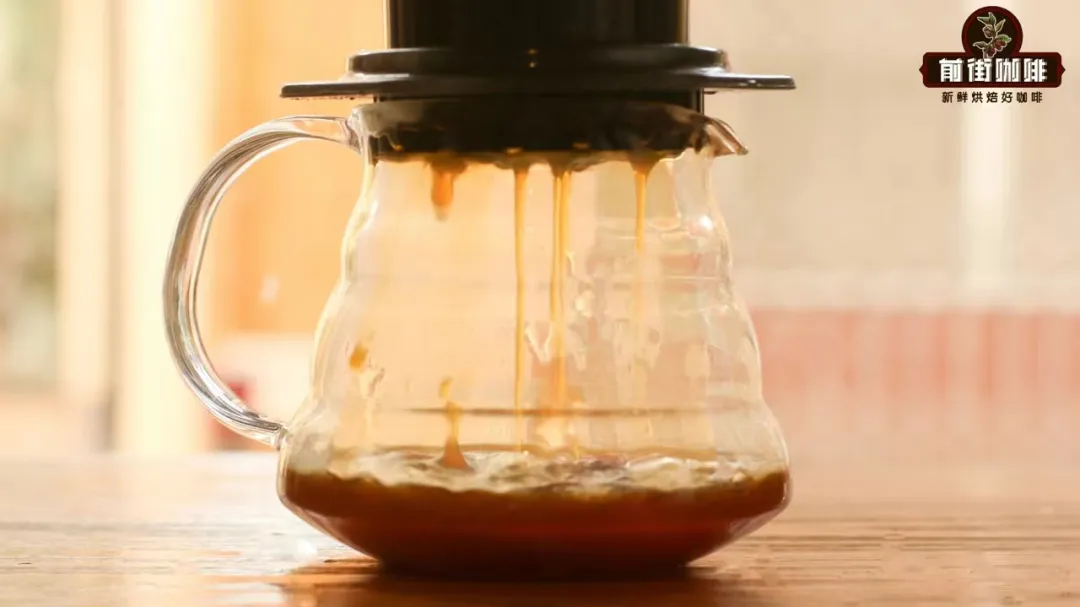
Next, we’ll walk you through the detailed steps for both regular and inverted AeroPress brewing, including recommended grind sizes, water temperature ranges, coffee-to-water ratios, and specific procedures, to help you find the most suitable brewing method based on your personal taste.
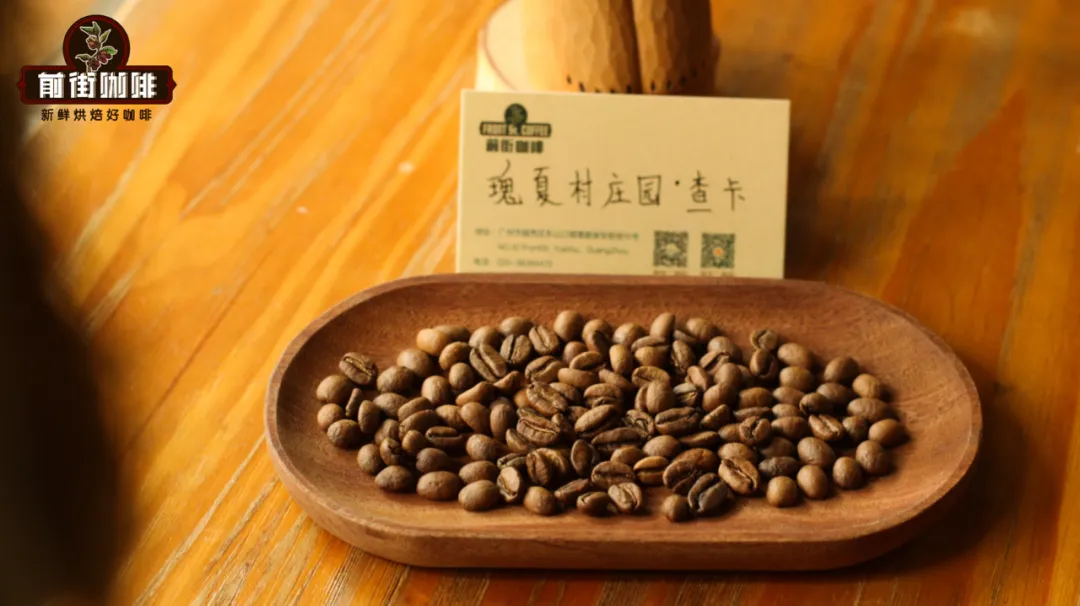
In terms of grind size, the regular method typically recommends a medium-fine grind, similar to the coarseness of fine sugar—roughly medium-fine for pour over—to ensure proper flow rate and pressure release. The inverted method, however, suggests using a medium-coarse grind, close to the texture of sea salt, which helps avoid over-extraction while maintaining good brewing efficiency.
For water temperature, it’s generally advised to stay within 90–96°C, adjusted based on the roast level of the coffee beans. Lighter roasts can use slightly higher temperatures to enhance acidity and aroma, while darker roasts benefit from lower temperatures to avoid excessive bitterness. A common coffee-to-water ratio is 1:15 to 1:16—that is, 1 gram of coffee to 15–16 grams of water—this range achieves a balanced intensity and flavor expression.
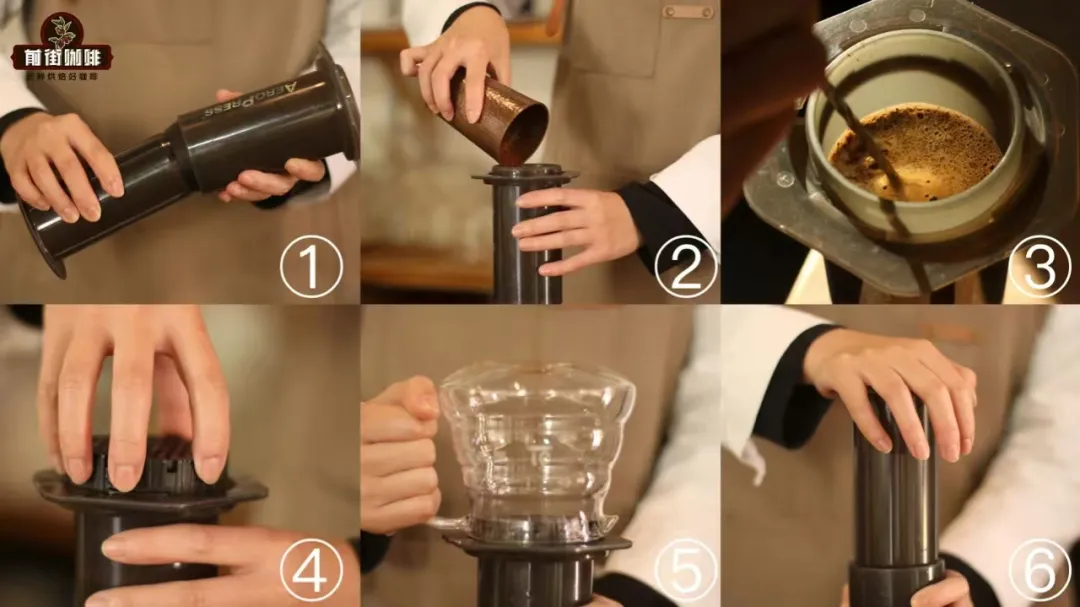
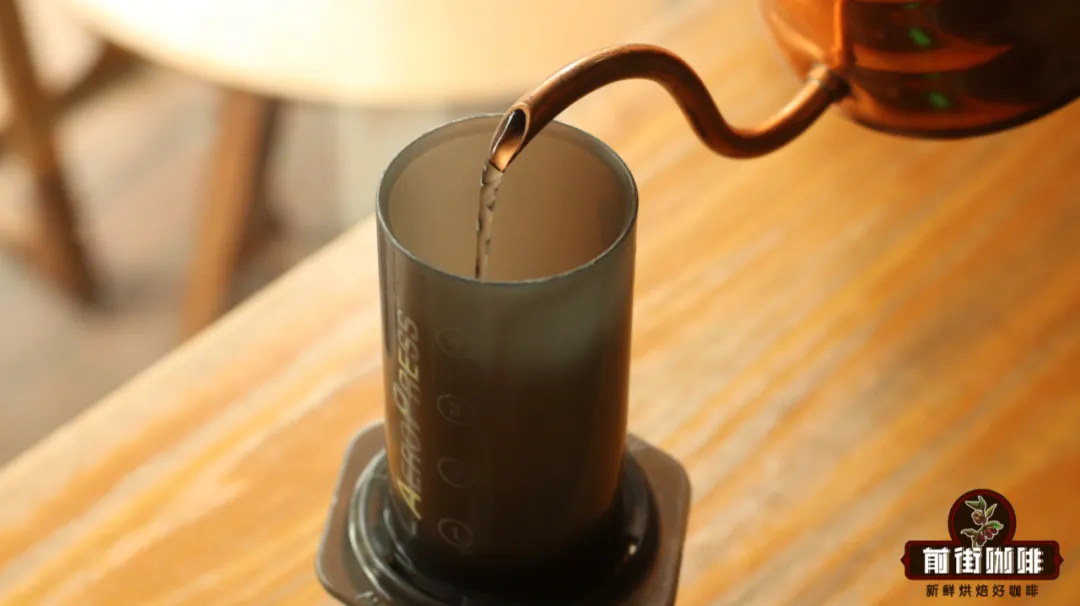
The regular brewing process generally goes as follows: first, place a filter in the top filter cap and rinse it with hot water. Then, stand the AeroPress upright, add the ground coffee, pour in hot water, and gently stir. Let it sit for about 30 seconds to allow the coffee to bloom, then insert the plunger and slowly press down—ideally with even pressure and not too fast, taking about 20–30 seconds. This will yield a cup with a rich body and full mouthfeel.
The inverted method is slightly different. First, turn the AeroPress upside down, add the coffee grounds and hot water, stir well, and let it steep for about 1–2 minutes to ensure full extraction. Then insert the filter cap, flip the whole device over, and slowly press down. Due to the longer steeping time, this method extracts more of the coffee’s aromatic and flavor compounds, making it ideal for those seeking a layered cup with bright acidity.

Whether you choose the regular or inverted method, the key lies in understanding how various factors influence the coffee’s flavor and experimenting multiple times to find the combination that best suits your taste. Beginners are advised to fix the water temperature and coffee-to-water ratio first, then adjust grind size and pressure, gradually discovering the optimal brewing setup.
In summary, the AeroPress’s charm lies in its high playability and versatility. Whether you prefer a bold, rich cup or a bright, clean one, mastering grind size, water temperature, coffee-to-water ratio, and brewing steps will allow you to coax surprising flavors from this simple tool. Don’t hesitate to try both the regular and inverted methods to discover your own unique coffee style.
The above content is compiled by CoffeeHunters, a coffee news website.


