







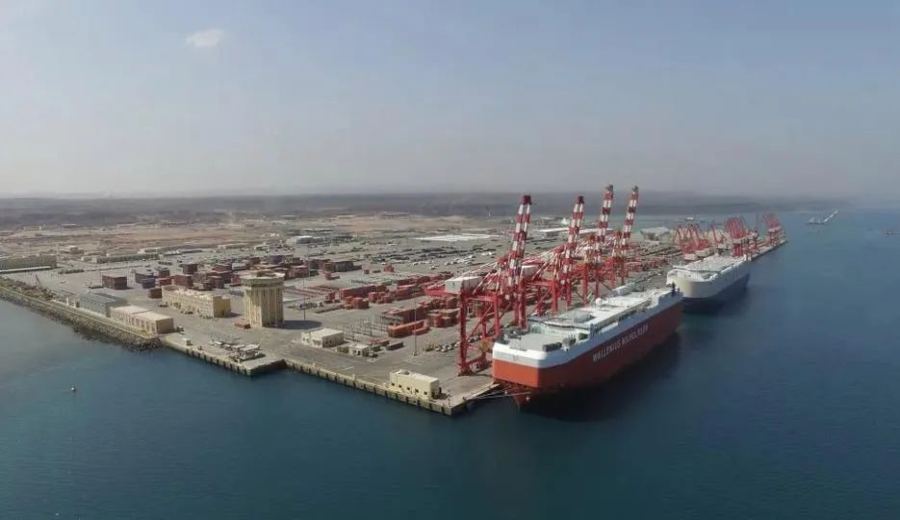
Introduction:As a globally important coffee-producing country, Ethiopia relies heavily on the port of neighboring Djibouti for its exports. Recently, tensions in the Red Sea have escalated, with Houthi militants frequently attacking commercial vessels. This has led several shipping companies to announce freight rate hikes in November, putting upward pressure on coffee export costs. This article takes an in-depth look at the progress in logistics cooperation between Ethiopia and Djibouti, the actual impact of Red Sea security conditions on shipping, and how these variables affect the coffee supply chain—helping readers stay on top of the latest market trends.
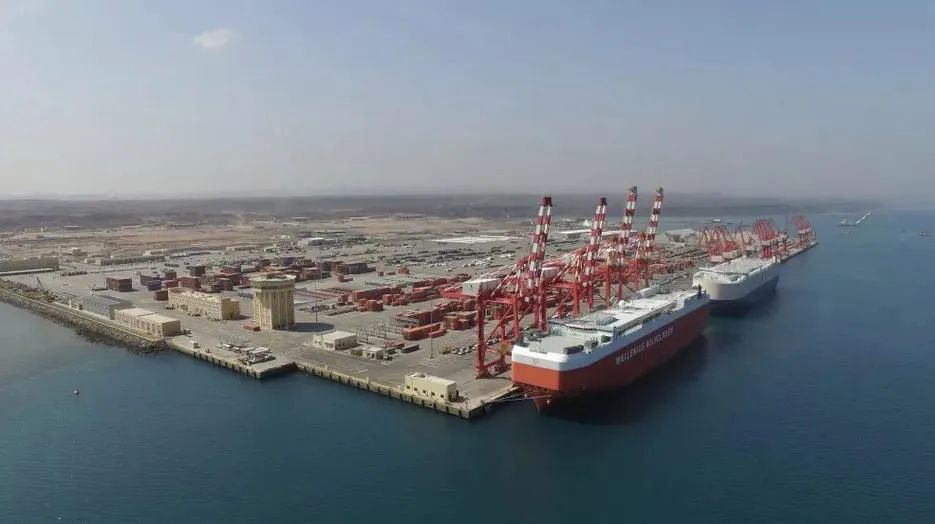
Ethiopia is a globally renowned coffee-producing nation, but as a landlocked country, the vast majority of its foreign trade—including coffee exports—must go through the port of neighboring Djibouti. To further strengthen bilateral cooperation in logistics, recently the logistics-related organizations of both countries held a meeting in Addis Ababa, the capital of Ethiopia, to discuss how to improve cross-border freight efficiency. They also plan to sign a memorandum of understanding (MoU) to establish a more formal and effective communication mechanism.
During the meeting, a specialist who serves as both the vice president of the Ethiopian Freight and Shipping Agents Association (EFFSAA) and the CEO of Peifu International Freight Company pointed out that strengthening cooperation with the Djibouti Freight Forwarders Association (ATD) is a key factor in ensuring smooth freight processes. He further revealed that the two sides have reached consensus on a framework for collaboration and will use this memorandum to establish a regularized dialogue platform to promote information sharing and issue resolution. It is expected that this agreement will be formally signed in the near future.
This enhanced logistics cooperation is beneficial to many of Ethiopia’s industries, especially key export-oriented agricultural products such as coffee and flowers. However, the biggest uncertainty at present stems from the increasingly tense security situation in the Red Sea region. Since the resumption of the Israel-Gaza conflict last October, Houthi militants in Yemen have frequently attacked international commercial vessels transiting the Red Sea in an effort to pressure Israel. To date, they have carried out nearly 80 attacks, affecting more than 180 ships, significantly impacting global shipping.
Recently, the situation in the Red Sea has not only failed to ease but has worsened further. Reports indicate that in mid-October, Houthi militants launched a drone attack on the container ship ‘MEGALOPOLIS,’ operated by Maersk and flying the Maltese flag, in the Arabian Sea, successfully hitting the target. It is claimed that the vessel was targeted for allegedly violating the ban on entering occupied Palestinian ports.
At the same time, the U.S. military has intensified its strikes against the Houthi militants, carrying out multiple airstrikes on the Yemeni capital Sana’a and the northern Sa’dah Province, which are under Houthi control—six and nine strikes respectively. The U.S. Central Command stated that these actions aim to destroy underground arms depots where Houthi militants hide missiles and weapons, thereby weakening their military capabilities and reducing threats to commercial vessels. However, the Houthi militants have vowed retaliation and may increase attacks on Red Sea shipping routes, potentially even targeting U.S. and British warships. The overall situation is expected to remain highly tense.
The Red Sea crisis is not only affecting port operations on Africa’s east coast but also placing enormous pressure on the global shipping industry. Recently, major shipping companies including MSC, Maersk, CMA CGM, Hapag-Lloyd, HMM, and ZIM have all announced plans to adjust freight rates in November, with increases covering several key routes such as Northern Europe, Asia-Europe, the Mediterranean, the Middle East, India-Pakistan, and Africa.
The rise in shipping costs has had a direct impact on industries reliant on sea transport, with coffee trade being particularly affected. Since coffee beans are primarily transported by ship, higher freight rates will directly drive up transportation costs and, in turn, influence the final selling price of coffee beans. For Ethiopia, while the government is actively promoting policies to increase coffee production and quality, armed conflicts in the northern part of the country—though not directly affecting coffee-growing regions—have led to general price increases, adding cost pressures on the production side.
With the Red Sea situation remaining tense and continued uncertainties in port transport, Ethiopia currently has no choice but to rely even more on its logistics cooperation with Djibouti, hoping that improved coordination mechanisms will help reduce bottlenecks and risks of delays. However, in the short term, the volume of coffee exports and overall logistics costs may still be somewhat affected. Industry players need to closely monitor the evolving situation and prepare in advance for possible cost fluctuations.

The above content is compiled by CoffeeHunters, a coffee news website.


