







Introduction:Many coffee enthusiasts prefer light-roast beans when using a moka pot, with Huacai becoming a popular choice due to its high cost-performance ratio. However, they often encounter issues with subpar extraction flavors. This article delves into the origin, naming, and batch rules of Huacai, and offers practical suggestions on grind size and heat control to address the common problem of under-extraction when brewing light-roast beans in a moka pot—helping you bring out Huacai’s signature “strawberry cream” flavors.
Among the many questions related to moka pot usage, about 70% focus on how to correctly extract light-roast coffee beans with a moka pot. While dark-roast beans deliver intense smoky and caramel notes, many coffee lovers are drawn to the unique bright acidity and floral-fruity aromas of light-roast beans, with Huacai being one of the representatives. As a high-cost-performance light-roast option, Huacai is frequently used in moka pot brewing. However, many users find the resulting brew too thin or overly sour after actual use, making it difficult to achieve the desired “Huacai flavor.”
So, what exactly is Huacai? Why is it called “Huacai”? How is it related to Geisha? More importantly, how can you use a moka pot to extract Huacai’s unique strawberry and cream notes? This article will guide you through Huacai’s growing region background and naming origins, and from a practical perspective, analyze why light-roast beans are prone to under-extraction in a moka pot. It will also provide specific methods for adjusting grind size, increasing coffee dose, and controlling heat to help you successfully brew a cup of Huacai coffee with distinct flavors.
Among the moka pot usage questions collected backstage, as many as 70% focus on the topic of “how to extract light-roast beans with a moka pot.” In fact, not all coffee enthusiasts prefer the intense smoky and caramel notes of dark-roast beans. Many are instead drawn to the delicate acidity and layered floral notes offered by light-roast beans. Sourced from Ethiopia’s Guji Hambella region, Huacai boasts clear fruity notes and a unique creamy aroma, making it a top choice for many when selecting light-roast beans—and it’s also commonly used in moka pot experiments.
However, many users report that when using a moka pot to brew Huacai, they often encounter problems such as overly light or bland flavors, even noticeable sourness, failing to deliver the enchanting “Huacai flavor” they expected. What exactly went wrong? How should we adjust to bring out the rich flavors Huacai is meant to have with a moka pot? The following will break it down step by step.
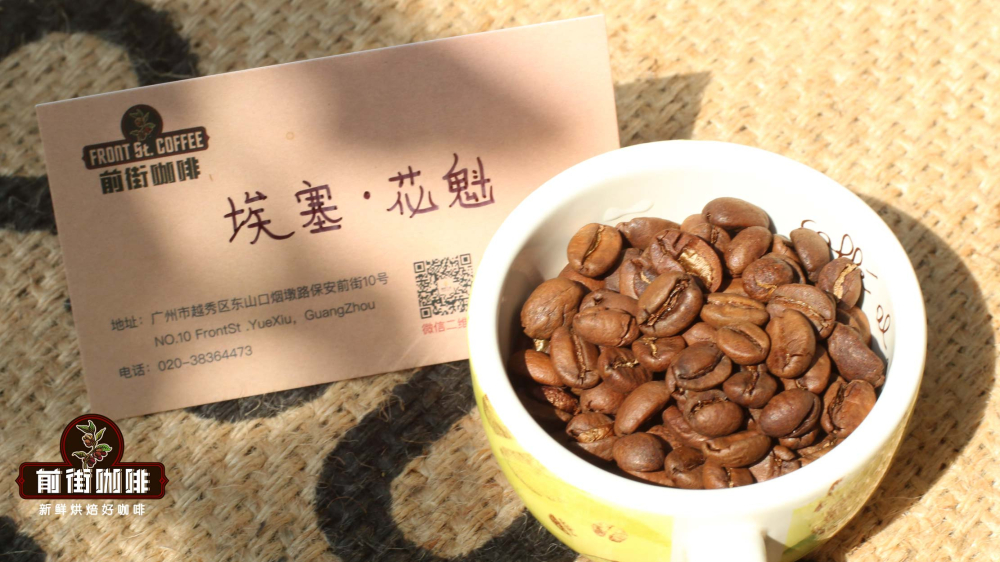
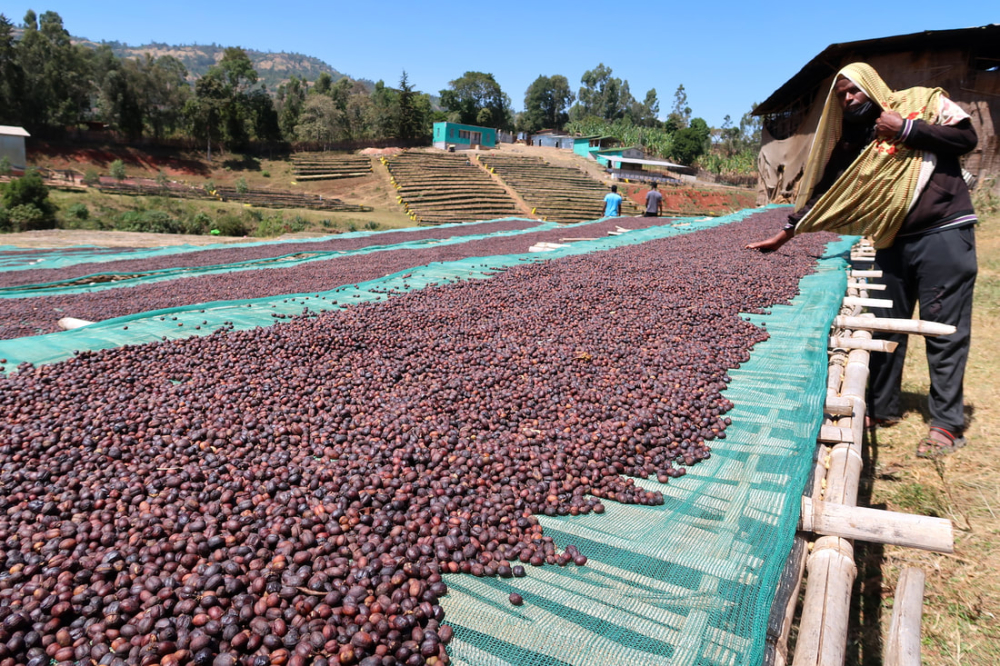
Huacai is a coffee bean from Ethiopia’s Guji/Hambella region. It first gained attention in 2017 at a coffee competition, where a contestant used Huacai to compete against several well-known Geisha coffees and achieved impressive results, quickly propelling this bean to fame. But even before its rise to stardom, this bean had already won the TOH (Taste of Harvest) competition held by the African Fine Coffees Association locally. It was later introduced by a Beijing-based green coffee importer and named “Huacai,” meaning “the foremost among flowers,” also echoing the term “Oiran” (courtesan) in Japanese geisha culture—implying the intent to surpass others, including Geisha.
Initially, Huacai was produced solely at the Buku Abel washing station in Dimtu town, Hambella. As demand increased, producer DW Company gradually expanded its harvesting range to include surrounding villages or washing stations such as Buku Saysay, Haro Soresa, Tirtiro Goye, and Seke Bokosa—all located within Dimtu town and no more than 4 kilometers from the original washing station—ensuring flavor consistency.
However, due to factors such as climate and processing methods affecting coffee yield and flavor each year, Huacai’s flavor profile can vary. To distinguish between different vintages and batches, domestic importers have assigned annual batch codes to Huacai since 2017, using “X.0” as a suffix. For example, 2018 was Huacai 2.0, 2019 was Huacai 3.0 or 3.1, and so on. By 2024, the latest batch is Huacai 11. Consumers can use this to identify which year’s product they are purchasing, ensuring freshness and flavor characteristics.
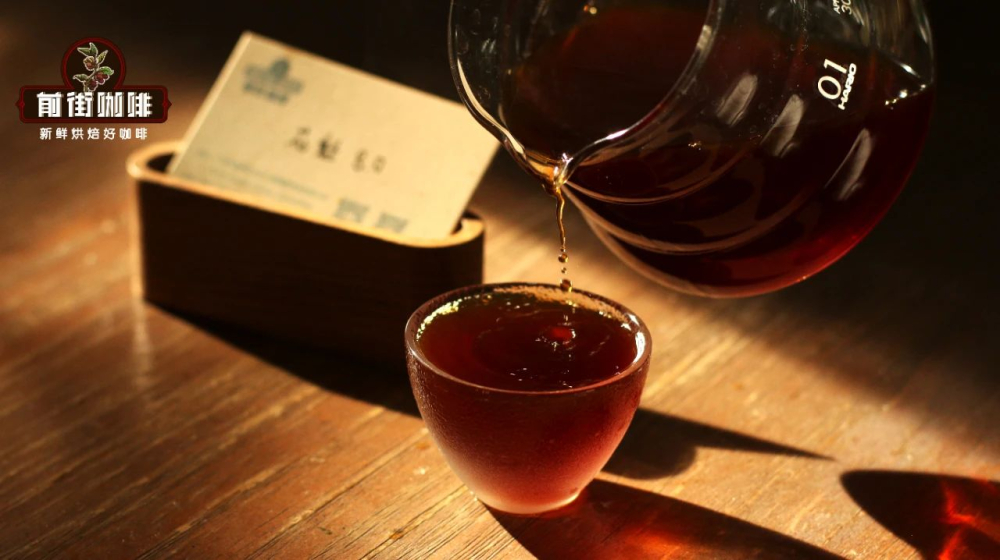
When it comes to the “Huacai flavor,” it is one of the most notable features of this coffee. Compared to the typical citrus, pineapple, or mango tropical fruit notes commonly found in Yirgacheffe region coffees, Huacai retains some bright acidity but also offers richer cream and strawberry sweetness, forming a unique overall flavor profile. This is also why many coffee lovers are drawn to it. This combination of brightness and sweetness is what people refer to as the “Huacai flavor.”
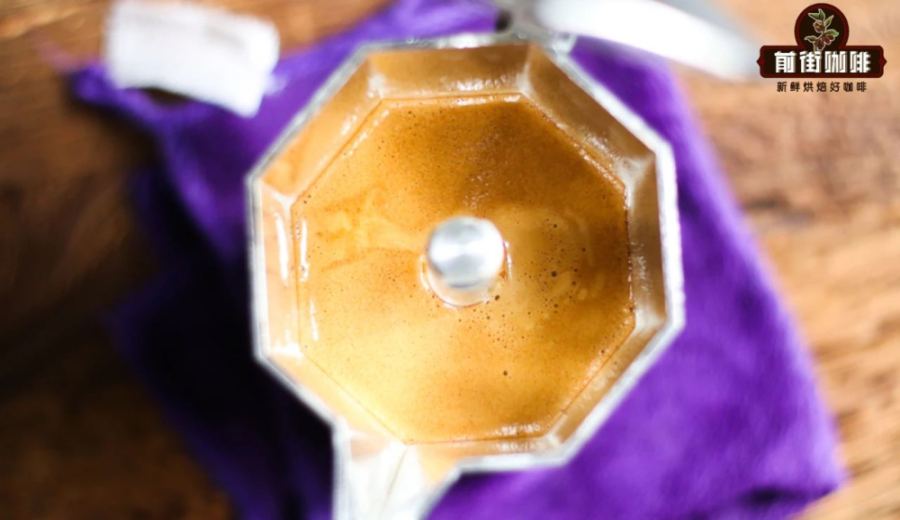
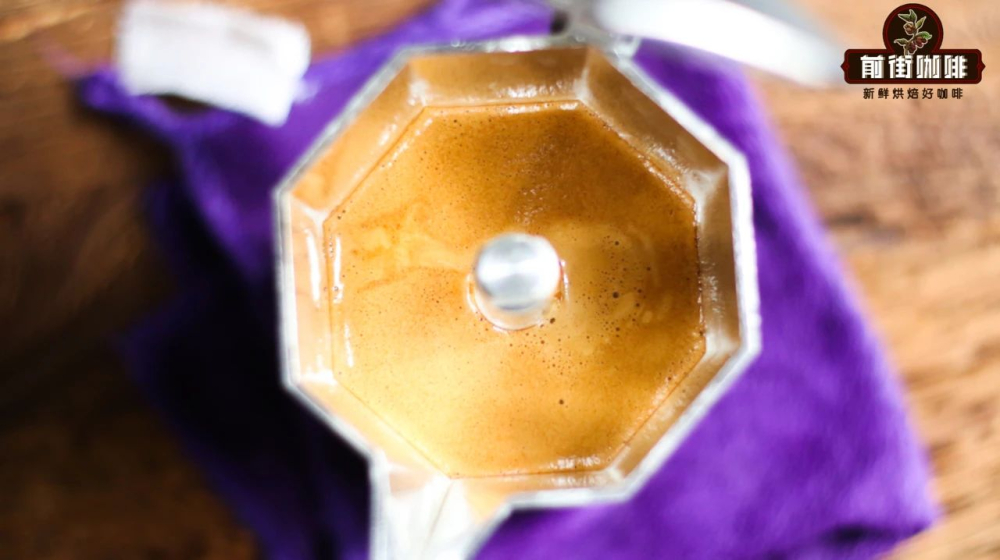
So, how can you use a moka pot to extract these characteristic flavors of Huacai? A common issue is that many people do not adjust extraction parameters for the characteristics of light-roast beans and instead continue to use the standard method for dark-roast beans, leading to under-extraction. Due to its lower roast level, light-roast beans are denser, with lower expansion rates and brittleness compared to dark-roast beans. Therefore, under the same grind size and dose, the coffee puck is looser, allowing water to pass through too quickly, resulting in insufficient extraction time and ultimately producing sharp and thin flavors. If you notice the moka pot’s output spraying out forcefully, this is often the reason.
To improve this, adjustments can be made in the following areas: first,Grind FinerorIncrease Coffee Dose. If you’re using self-ground beans, it is recommended to adjust your grinder setting about 2 notches finer. This reduces coffee particle size, makes the puck denser, increases resistance to water flow, extends contact time between water and coffee, and helps improve extraction yield. If you’re using pre-ground coffee, you might considermoderately increasing the coffee doseto enhance puck density and achieve a similar effect.
Another key adjustment isControlling Heat. It is recommended to reduce the stove flame to low once the moka pot starts pouring, and observe the flow rate of the coffee. When about half of the coffee has poured out, you can turn off the heat or remove the moka pot from the heat source to avoid over-extraction or uneven extraction. This effectively prolongs the interaction time between water and coffee, allowing flavor compounds to be fully released.
When these parameters are adjusted properly, Huacai’s full potential can be unlocked. Hot water can more evenly and thoroughly penetrate the coffee bed, extracting bright and layered flavors like strawberry, cream, and citrus—avoiding issues of sourness or thinness—and ultimately delivering the long-awaited “Huacai flavor” in your cup.
The above content is compiled by CoffeeHunters, a coffee news website.


