







Introduction:Delve deep into Finca Las Lajas in Costa Rica’s Central Valley and discover how this over 80-year-old coffee farm transitioned from traditional farming to becoming a pioneer of organic cultivation, innovating in both honey and natural processing methods. This article takes you to the foothills of the Poás Volcano to explore its unique microclimate, varietal selection, and processing techniques—offering a glimpse into the craftsmanship behind high-quality coffee.
Although not the largest coffee-producing country in Central America, Costa Rica has carved out a niche in the global specialty coffee scene thanks to its exceptional natural conditions and continuously innovative processing techniques. Beyond the well-known Tarrazú region, the Central Valley is also a key area for producing high-quality coffee. Located within this region, Finca Las Lajas is not only Costa Rica’s first coffee farm to obtain organic certification, but also a benchmark in the development of honey and natural processing.
Situated in Sabanilla, Alajuela Province, this farm lies close to the capital city of San José, at elevations ranging from 1,300 to 1,650 meters above sea level at the foot of the Poás Volcano. The area benefits not only from fertile volcanic soil but also a unique microclimate, making it an ideal environment for cultivating premium coffee.
As one of Costa Rica’s three major coffee sub-regions, the Central Valley enjoys a mild, spring-like climate year-round with distinct day-night temperature variations. It also has clearly defined wet and dry seasons, with the rainy season bringing up to 3,000 mm of rainfall, providing a stable water supply for coffee growth. With an average temperature of around 20°C and abundant sunshine, coffee cherries ripen slowly, accumulating rich sugars and flavor compounds.
With a history of over 80 years, Finca Las Lajas is now managed by the third-generation owners, Francisca and Oscar Chacón. In 1995, Oscar’s father passed away from cancer, and the family suspected long-term exposure to agricultural chemicals was a contributing factor. This led them to change their farming practices. After a five-year transition period, the farm officially obtained Costa Rica’s organic certification in 2000, becoming the country’s first coffee farm to receive this distinction. It has since also acquired international organic certifications including Japan’s JAS, USDA, and NOP.
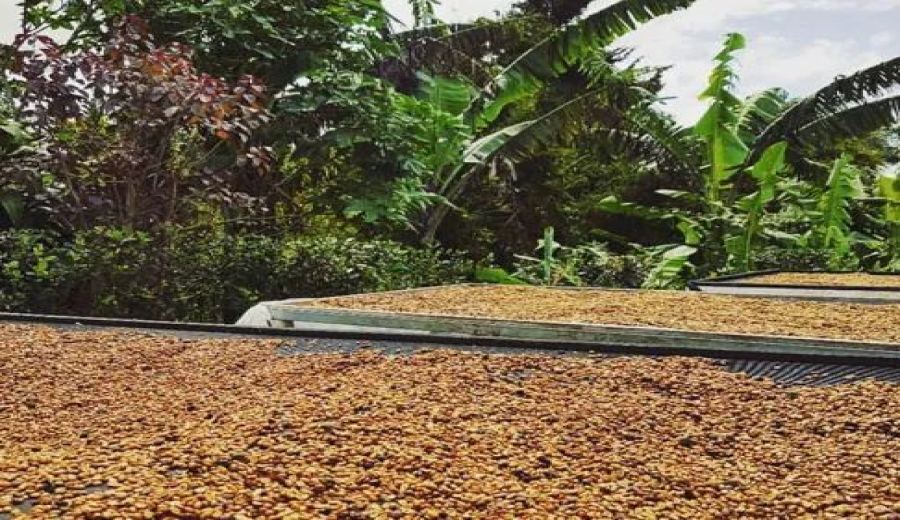
In terms of processing methods, Finca Las Lajas is also at the forefront of innovation. While Costa Rica traditionally relied heavily on washed processing, the farm’s owners invested resources years ago in researching and modifying equipment to develop sun-dried and honey processing techniques. They became one of the earliest pioneers in systematically experimenting with and applying these methods. Through continuous trials, they determined the optimal drying time, thickness, and temperature control suited to the local microclimate, ensuring each batch of coffee showcases rich fruity notes and a full-bodied sweetness.
Additionally, the farm utilizes a refractometer (Brix meter), commonly used in the wine industry, to accurately measure the sugar content of coffee cherries. This helps determine the optimal harvest timing, ensuring only cherries that meet sugar level standards are selected for premium processing batches. This practice not only enhances processing consistency but also significantly improves the concentration and complexity of the final flavors. The farm also has its own on-site processing facility, maintaining strict quality control from harvest to drying to ensure stability.
In varietal selection, Finca Las Lajas grows a range of classic and specialty varieties, including common ones like Caturra, Catuai, and Villa Sarchi, as well as more challenging ones such as SL28 and Obata. The interplay between different varieties and various elevations and processing methods results in a diverse flavor profile—from citrus and berries to caramel and nuts—all of which can be found in the farm’s product lineup.
The success of Finca Las Lajas is not only reflected in its technical breakthroughs but also in its commitment to sustainable environmental practices. By using native trees for shade, producing natural fertilizers, and completely banning chemical agents, the farm demonstrates a model of agriculture that thrives in harmony with nature.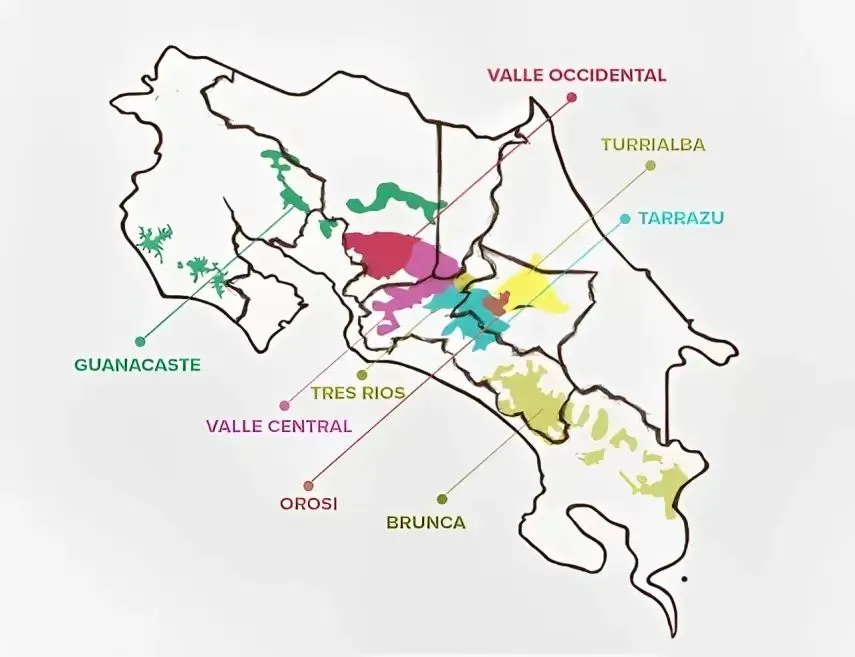
Experience the passion of the Poás Volcano in a cup of pour over coffee, and appreciate the dedication of natural farming through the sweet aroma of honey processed coffee. Finca Las Lajas is not only one of Costa Rica’s representative specialty coffee farms but also an important destination for coffee lovers worldwide to explore depth of flavor and origin stories.
The above content is compiled by CoffeeHunters, a coffee news website.


