








Introduction:Have you ever doubted that you bought defective coffee beans because of their imperfect appearance? In fact, many seemingly abnormal coffee beans—such as those with textures, cracks, or uneven coloration—may simply be normal results of their variety characteristics or processing methods. This article will delve into the official classification standards for green coffee bean defects, clarify which are genuine defects and which are just visual misunderstandings, and supplement the practical screening processes used by roasters. This will give you a more informed basis for selecting and brewing coffee.
Many newcomers to coffee often suspect they’ve purchased defective beans when the beans’ appearance doesn’t match their ideal vision of the “perfect bean.” In reality, most true defective beans are already removed during the production and roasting stages. Even if the coffee beans you buy appear wrinkled, cracked, or slightly uneven in color, these could be natural phenomena caused by light roasting, high-altitude cultivation, or special processing methods. This article will detail the classification standards for green coffee bean defects, help readers distinguish between beans that must be discarded and those that are merely common visual misunderstandings, and share the industry’s common double-screening workflow.
Many people’s understanding of defective beans comes from online illustrations and descriptions, but such information often remains limited to names and simple definitions, lacking practical comparison and in-depth understanding. For example, some believe that ideal coffee beans should look like factory-produced parts—each one smooth and uniform—but in reality, due to differences in origin, processing methods, and roast levels, coffee beans naturally exhibit diversity in appearance. Moreover, most consumers rarely come into direct contact with green beans when purchasing, let alone see what defective beans actually look like.
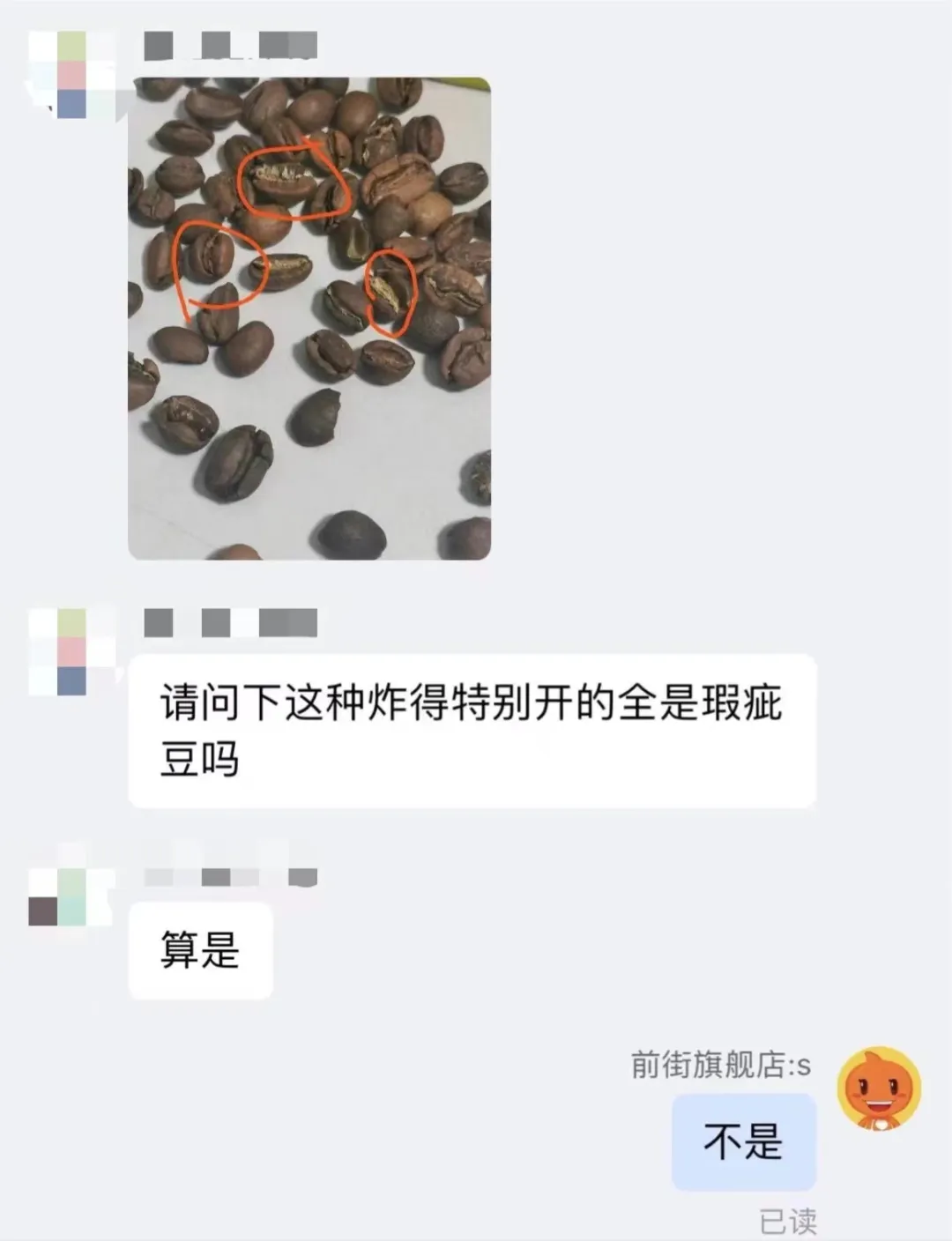
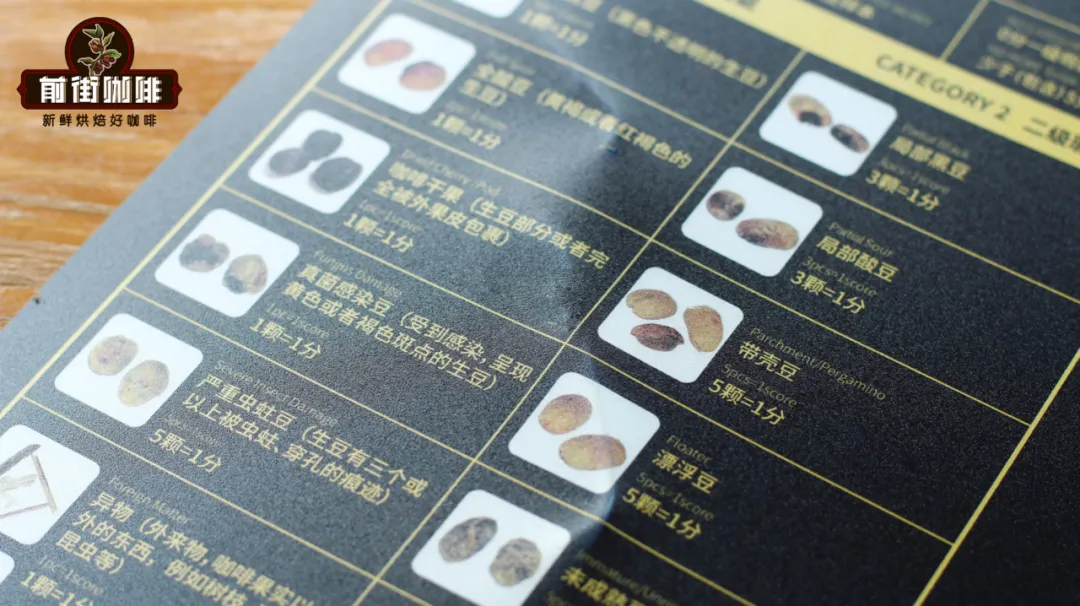
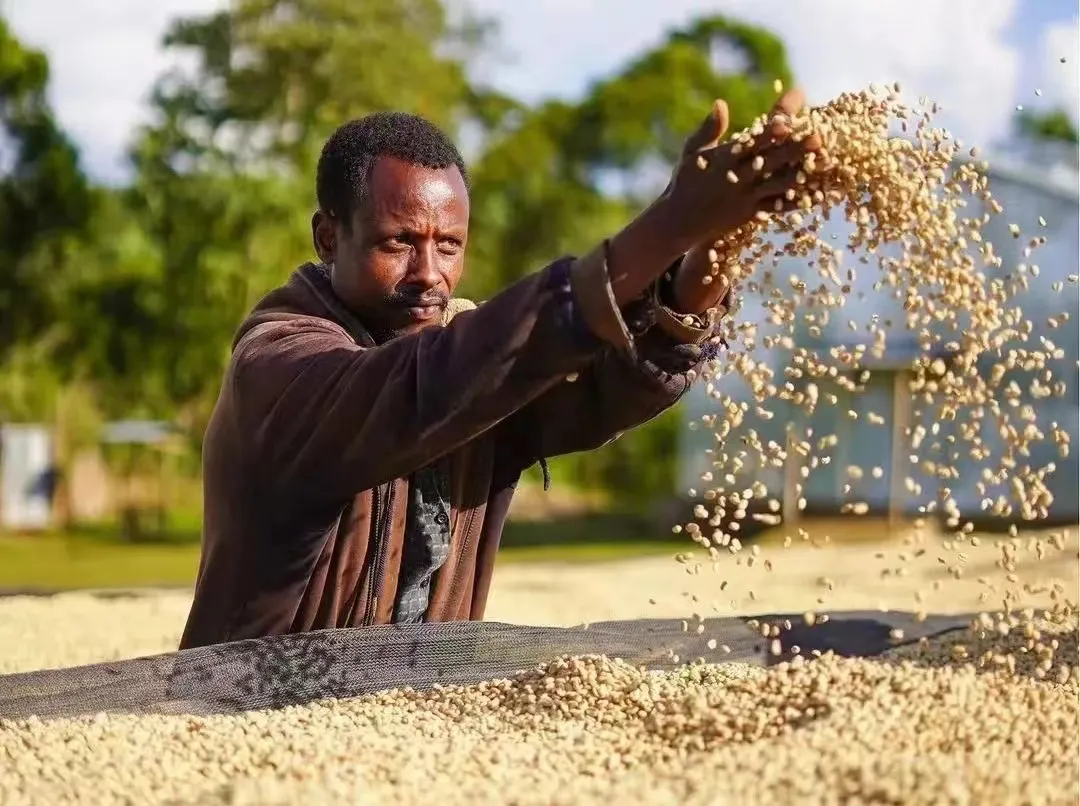
Defective beans mainly appear at the green bean stage, and most producing regions conduct grading and screening based on defect rates before exporting. Internationally, the proportion of defective beans is commonly used as a key indicator for evaluating the grade of coffee beans—the fewer the defects, the higher the grade and the more expensive the price. To maintain market competitiveness and achieve higher returns, green bean suppliers in producing regions proactively remove defective beans, while roasters also prioritize sourcing high-quality green beans to ensure stable flavor after roasting. As a result, by the time green beans reach the roastery, the defect rate is relatively low.
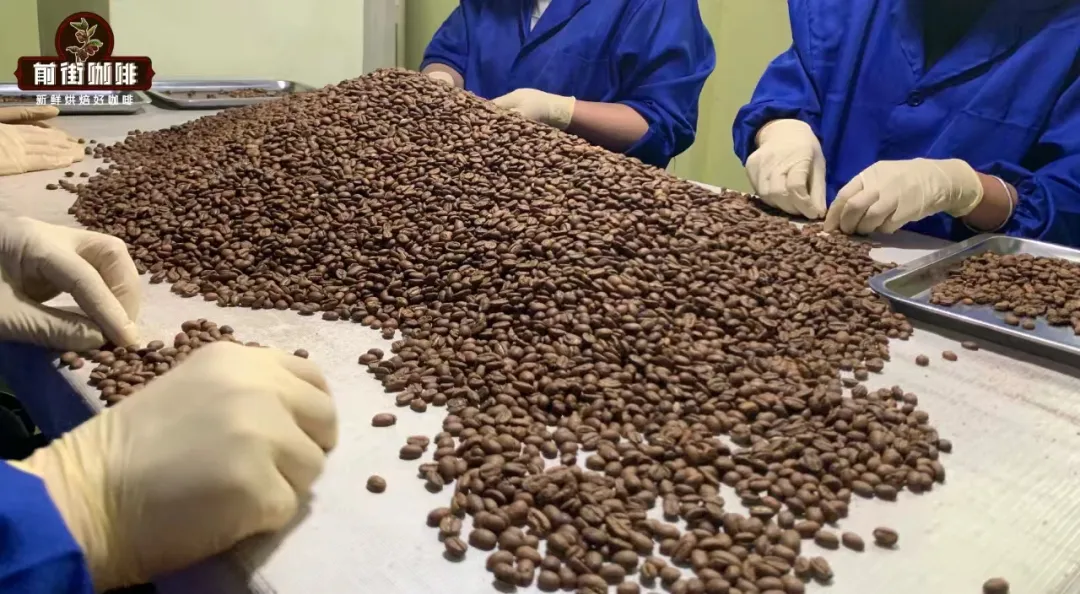
Even so, it’s still hard to guarantee that no small number of defective beans slip through, and once these defects enter the roasting process, they can significantly impact the flavor profile of the entire batch. Therefore, most professional roasters arrange an additional defect-picking procedure before roasting, manually inspecting and removing problematic green beans. This step effectively reduces the risk of flavor defects and ensures consistency in the final product quality.
However, some types of defects are not easily detectable at the green bean stage, such as white beans, or defects that only emerge during roasting. To further safeguard consumer experience, some producers conduct a final manual re-inspection after roasting, picking out any abnormal beans that only become visible afterward—such as those with clearly unusual coloration or underripe beans—and then proceed with final weighing and packaging. After this series of screening processes, the likelihood that consumers receive beans with noticeable flavor defects has been greatly reduced.
That said, we must also understand that coffee beans may inevitably develop cracks or irregular breaks during transportation due to impact. While such beans may appear physically incomplete, they usually do not fatally affect overall extraction flavor. Next, let’s take a look at several coffee bean appearance features that are often mistaken for defects but are actually normal phenomena.
The first common misunderstanding involves coffee beans with obvious wrinkles, black spots, or streaks on their surface. Because their appearance differs greatly from that of smooth, flat beans, such beans are often mistakenly thought to be insect-damaged, moldy, or underdeveloped. In reality, this appearance is usually the result of light roasting or high-altitude cultivation. During light roasting, the beans lose moisture more quickly, causing the bean body to contract and form distinct textures and spots. If the roasting is stopped early to preserve more of the bean’s inherent flavors, these textures may not have time to smooth out, resulting in a unique appearance. Notably, such beans often possess richer layers and unique flavors rather than indicating defects.

Another commonly misunderstood type is coffee beans with large cracks. These cracks mostly form during the “first crack” stage of roasting. When internal water vapor accumulates to a certain pressure, it breaks through the bean shell to release, causing the bean to burst and deform in appearance. Especially for denser beans, the internal pressure is stronger, and the bursting may produce larger cracks. Although the appearance may seem alarming, as long as the roasting is done properly, the flavor of such beans is usually unaffected and is no different from that of intact beans.
As for the frequently mentioned white beans, these refer to unripe green beans harvested too early. Due to insufficient sugar content and other flavor compounds, they exhibit a pale color and extremely weak flavor after roasting. At the green bean stage, white beans are not easily distinguishable from normal beans, but once roasted, their color difference becomes obvious. However, since most producing regions now use manual harvesting of fully ripe cherries, the proportion of white beans has dropped significantly. Many consumers’ so-called “white beans” are actually often found in anaerobic or honey-processed coffees, where these methods leave varying degrees of sugar on the bean surface, leading to uneven caramelization reactions during roasting and resulting in color disparities that are easily mistaken for defects.
In summary, many coffee beans that appear abnormal are actually natural manifestations under different varieties, processing methods, or roasting strategies. Understanding these differences helps consumers make more accurate judgments when selecting and appreciating coffee, and also allows them to better appreciate the unique stories behind each coffee bean.
The above content is compiled by CoffeeHunters, a coffee news website.


