







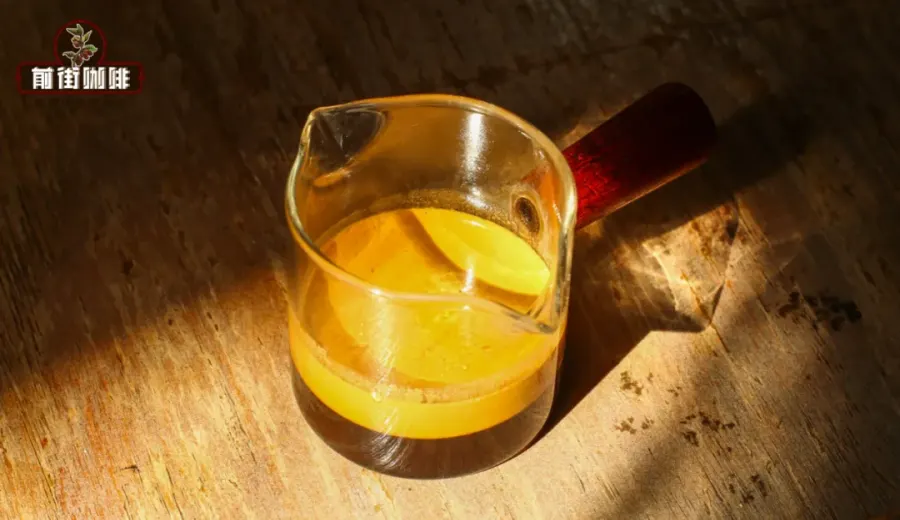
Introduction:Many coffee beginners believe that espresso must strictly follow a 1:2 coffee-to-water ratio, but in fact, this is just one of the reference standards. This article will delve into why a fixed ratio may limit flavor expression and provide practical adjustment strategies to help you flexibly control the dose, yield, and extraction time based on the coffee beans' characteristics, grind size, and equipment conditions — extracting a more balanced and flavorful espresso.
When it comes to espresso extraction, many people immediately think of the so-called "golden ratio" — using an amount of coffee grounds roughly equal to the basket capacity, extracting about twice the weight of the coffee grounds in 25 to 30 seconds, which is the commonly seen 1:2 coffee-to-water ratio. This ratio is indeed widely used as an entry-level reference to help beginners quickly grasp the basic framework of espresso extraction.
However, many coffee enthusiasts find in practice that even when strictly adhering to the 1:2 ratio, it is still difficult to consistently extract espresso with ideal flavors. Sometimes the extraction time falls within the 25–30 second range, but the coffee either turns out over-extracted and bitter, or under-extracted and thin, or even exhibits sourness or astringency. Faced with this, many people's first reaction is to adjust the grinder's fineness, yet they often overlook the fact that the coffee-to-water ratio itself can also be flexibly varied.
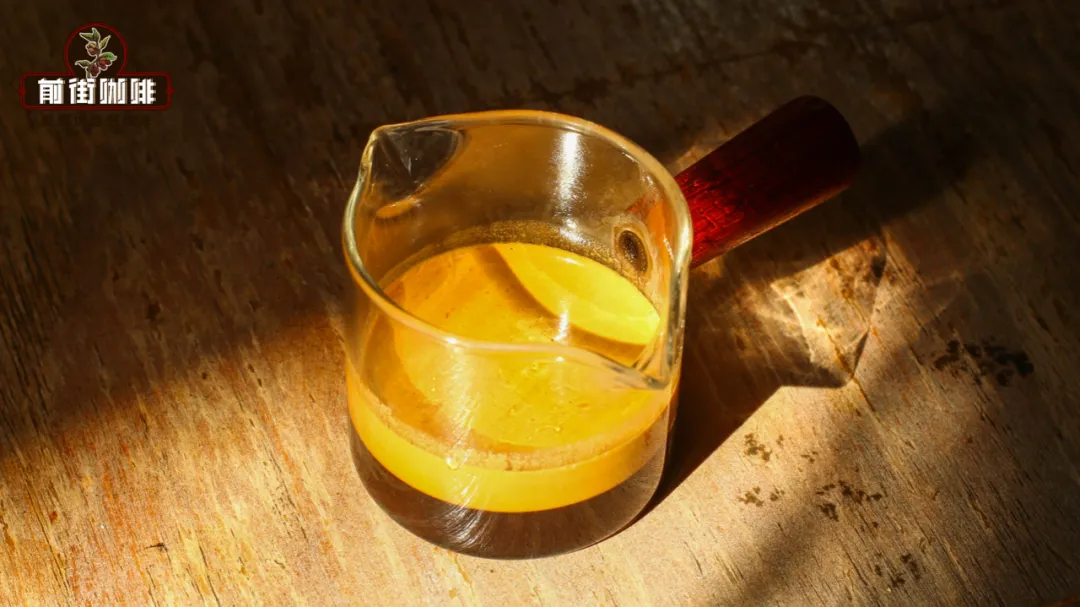
In fact, the 1:2 ratio is not the only correct answer for espresso, but rather a general and easy-to-start reference standard. Its purpose is to help us quickly establish a rough extraction framework, keeping coffee concentration and extraction yield within a relatively reasonable range. But if one rigidly adheres to this ratio, even treating it as an unshakable rule, it may instead lead you into a dead end when adjusting extraction parameters.
For example, when you use 20 grams of coffee grounds and insist on extracting 40 milliliters of espresso within 25–30 seconds, once you notice that the extraction time deviates or the flavors are off, many people will only think of adjusting the grind size. But such an approach often leads you into an endless cycle of fine-tuning, not only wasting a lot of coffee beans but also potentially derailing what was originally close to an ideal extraction.
So, does espresso extraction have to strictly follow the 1:2 coffee-to-water ratio? The answer is clear:No. This ratio is just one of many viable options, not an absolute standard. What truly matters is understanding the interaction between dose, yield, and time, and makingflexible adjustmentsaccording to actual conditions.

The recommended approach is: treat dose, yield, and extraction time all as adjustable variables, rather than fixed parameters. For instance, you can try using slightly more coffee grounds (such as 18–22 grams), but keep the yield within 36–44 milliliters, letting the coffee-to-water ratio fall within the flexible range of 1:1.8 to 1:2.2. At the same time, observe whether the extraction time falls within the reasonable range of 20–35 seconds, and make fine adjustments according to the actual flavor profile of the shot (such as sweetness, acidity, body, and aftertaste).
Additionally, different coffee beans (such as light roast, medium roast, or dark roast), grinder models, tamping pressure, and extraction equipment (such as home machines or professional semi-automatic machines) can all influence the choice of the optimal coffee-to-water ratio. Therefore, it is recommended that coffee enthusiasts not only record the dose and yield during daily extraction, but also log grind size, extraction time, and flavor performance, gradually finding the best extraction balance point for your own equipment and coffee beans.
In summary, the soul of espresso lies not in rigidly adhering to the 1:2 coffee-to-water ratio, but in understanding the relationships between various parameters and daring to make adjustments based on actual conditions. By flexibly using combinations of dose, yield, and time, you will have a better chance of extracting espresso with rich flavor layers, balanced mouthfeel, and a personal touch.
The above content is compiled by CoffeeHunters, a coffee news website.


