







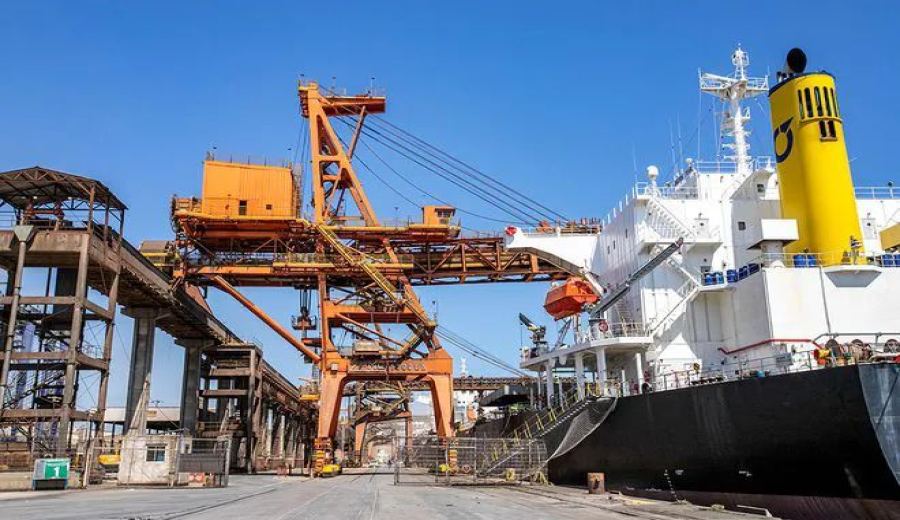
Introduction:Recently, a large-scale strike broke out at ports across Brazil, causing a massive backlog of coffee shipments at docks. Abnormal weather patterns have further compounded the challenges for the upcoming harvest season. This article provides an in-depth analysis of the immediate impact of the strike on coffee exports, explores the lingering effects of drought in Brazil’s coffee-growing regions, and examines the challenges facing global supply chains along with future trends — helping you stay updated on the latest market developments.
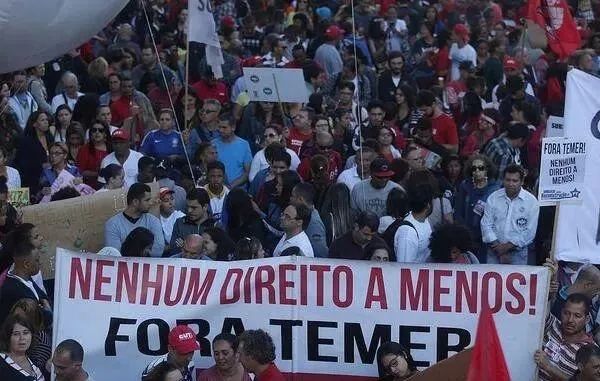
On October 22, 2023, port workers across Brazil launched a 12-hour joint strike to protest against the government’s proposed amendments to the Port Law. The strike was initiated by three major labor unions: the National Federation of Dock Workers, the National Union of Port and Dock Stevedores, and the Union of Ship, Repair, Stacking, and Mooring Workers. Approximately 60,000 workers participated, covering nearly all the labor forces at Brazil’s major ports.
The direct cause of the strike was the government’s intention to amend the current Port Law (Decree No. 12.815/2013). According to the proposed changes, the government planned to eliminate night shift bonuses and port risk bonuses, and allow the outsourcing of various services, including port security. These measures would directly affect the welfare of temporary and dock workers, and could even lead to the closure of public docks at the Port of Santos, further undermining job security and sparking widespread dissatisfaction.
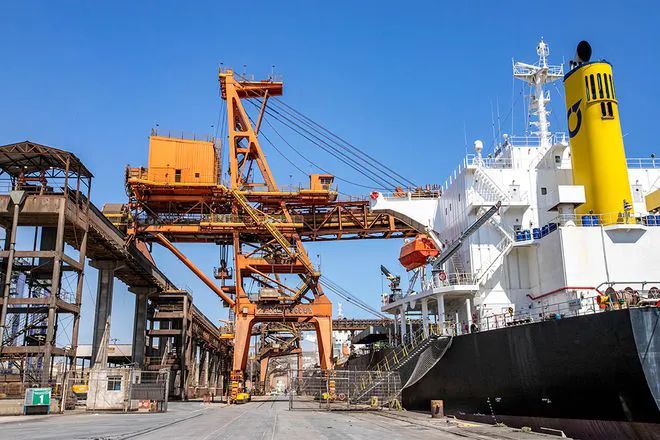
Although the strike lasted only half a day, it has already had a significant impact on Brazil’s overall trade, especially the export of bulk agricultural products such as coffee. In fact, even before the strike, coffee exports from Brazil were already facing bottlenecks due to delays in port operations. According to statistics released by the Brazilian Coffee Exporters Council (Cecafe) in mid-October, approximately 2.15 million bags (equivalent to 6,529 twenty-foot standard containers) of coffee products were stranded at major ports nationwide, unable to be shipped on time.
Data shows that in September 2023, up to 69% of ships at Brazil’s major ports experienced delays, with the situation at the Port of Santos being the most severe. The average delay rate for container ships reached 84%. Out of 129 ships that docked at the port, as many as 108 experienced delays, greatly disrupting export schedules. Moreover, these delays and port congestion could result in a potential loss of 3.217 billion Brazilian reais (approximately 580 million US dollars) in foreign exchange earnings for Brazil, with exporters also incurring an additional 5.938 million reais in storage and handling fees.
Currently, the Brazilian government is accelerating its port privatization policy and plans to auction 35 key port assets, including the new Itaguaí Terminal and the Santos Port Container Terminal. Recently, international shipping giants such as CMA CGM and Mediterranean Shipping Company (MSC) have also acquired shares in major Brazilian port operators, reflecting growing interest in Brazil’s long-term port potential. However, these reform measures have touched on the labor rights of frontline employees, becoming the catalyst for this major strike.
For Brazil’s coffee industry, the port crisis is just one of the current challenges. Climate factors also bring significant uncertainty. After experiencing severe drought earlier in 2023, Brazil’s major coffee-growing regions have entered the rainy season, but weather conditions have failed to effectively alleviate the damage caused by the drought to coffee trees. The Minas Gerais State Coffee Research Foundation (Fundação Procafe) pointed out that soil moisture levels in the southern producing areas of the state are still 250 millimeters below the ideal value, marking the second most severe water shortage on record.
Due to lower-than-expected rainfall during the rainy season, many coffee trees missed their critical flowering period, with some failing to form flower buds at all. To avoid wasting nutrients, farmers often choose to prune their trees early, but such pruned plants typically require at least two years to bear fruit again. This is expected to directly impact the harvests of the 2024 to 2025 seasons. Experts indicate that the combination of this drought and subsequent improper management may lead to a significant decline in Brazil’s total coffee output for the next harvest season, further exacerbating supply pressures in the global market.
At present, due to the interplay of natural disasters and human factors, Brazil’s coffee industry is facing a rare double blow in nearly a decade. Not only do port delays and strikes affect short-term exports, but long-term issues related to climate and tree health will also shape production trends in the coming years. For global consumers and traders, the instability of Brazil’s coffee supply is bound to impact market prices and delivery schedules — a situation that warrants close attention.
The above content is compiled by CoffeeHunters, a coffee news website.


