








Introduction:Yirgacheffe Gotiti is a classic among many coffee enthusiasts, but did you know that it’s actually the name of a cooperative and a village? This article delves into the geographical location, evolution of the producing region, cooperative model, bean variety characteristics, and includes hands-on pour over tasting notes to help you better understand this beloved coffee.
Among the many coffees from Yirgacheffe, the name "Gotiti" always leaves a strong impression. It not only sounds cute but is also often mistaken for a special producing region or coffee variety. In fact, Gotiti (果丁丁) is neither a producing region nor a variety, but a coffee cooperative established in 2012, as well as the name of a village located in Gedeb town, southeast of the Yirgacheffe region.
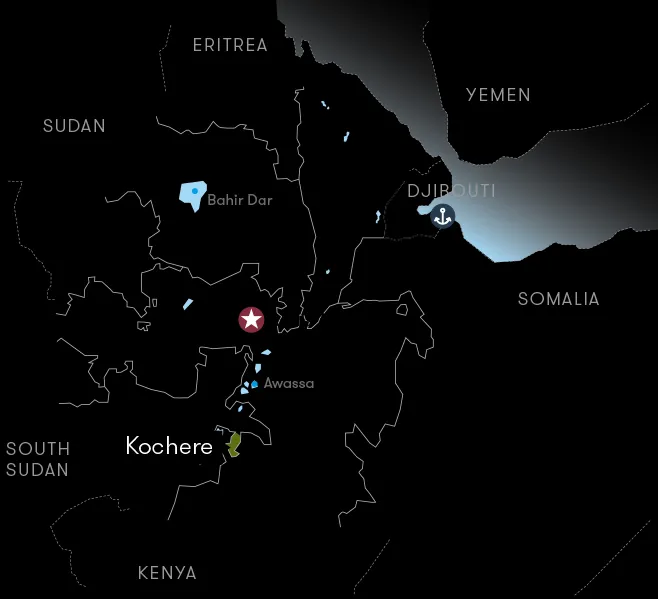
With specialty coffee’s growing emphasis on traceability to specific producing areas, Gedeb, which was originally part of the Kochere region, has gradually come to be regarded as an independent sub-region. As a result, the Gotiti cooperative is now categorized under the Yirgacheffe–Gedeb region. This shift has not only increased the recognition of coffee from this area but has also made Gotiti a top choice for many coffee lovers looking to try something new.

Many people, upon first encountering Gotiti, are curious about the meaning behind the name. Some assume it’s a unique coffee variety, while others guess it represents a famous producing region. One customer who came to taste it once said that although he had drunk Gotiti many times, he never really understood what it actually was. Online searches often left him even more confused.
So, what exactly is Gotiti? Simply put, it is a cooperative formed by more than 300 farmers and also the name of the village where they live. Compared to some long-established cooperatives, Gotiti was formed relatively late, officially starting operations in 2012, but it has quickly built a reputation in the specialty coffee world.

The Gotiti cooperative is located in the southeastern corner of the Yirgacheffe region, about 60 kilometers from the town of Yirgacheffe. According to the former classification by the Ethiopian Commodity Exchange, Gedeb was once part of the Kochere region. However, with the specialty coffee industry’s increasing focus on terroir and traceability, Gedeb has gradually separated from Kochere to become an independent sub-region under Yirgacheffe.
This separation is not just an administrative adjustment but also reflects the local coffee farmers’ confidence in the quality of their products. The average altitude in Gedeb ranges between 1900 and 2200 meters. The high altitude slows the ripening process of coffee cherries, helping to accumulate flavor compounds and creating unique acidity and aroma profiles.
Why do coffee farmers choose to form cooperatives? The key lies in gaining control over processing and sales. Typically, after harvest, coffee cherries undergo steps such as pulping, fermentation, washing, and drying, which are usually carried out at processing facilities. However, setting up professional processing equipment is costly, and many smallholder farmers cannot afford it, so they send their cherries to external processors and face the issue of middlemen driving down prices.
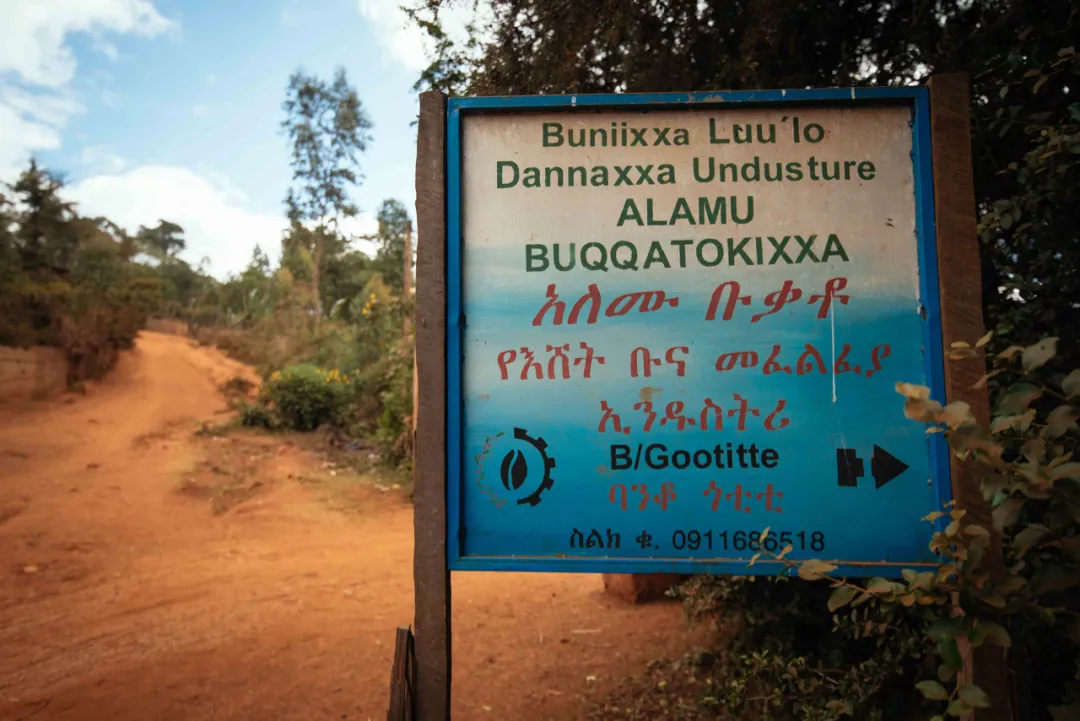
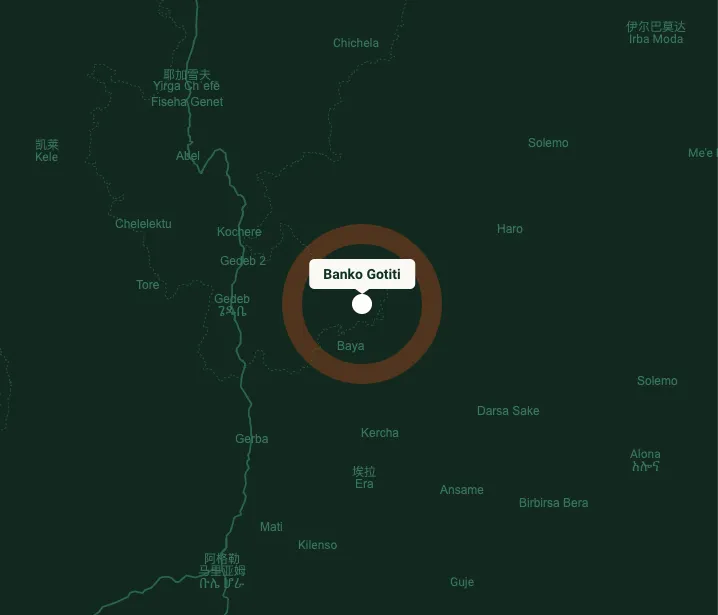
To increase bargaining power and reduce transaction costs, local farmers decided to pool resources to build their own processing facilities — and thus the Gotiti cooperative was born. The cooperative is located in the village of Banko Gotiti, hence the abbreviated name "Gotiti." Through the cooperative model, farmers can directly participate in the coffee processing procedures and trade directly with international buyers, ensuring maximum returns while also maintaining consistent coffee quality.
So, what coffee varieties does the Gotiti cooperative grow? In fact, in the Yirgacheffe region, most coffee follows what is known as a “garden coffee” model — that is, farmers grow coffee trees on their own land or around their homes, harvest them themselves, and then send them to the cooperative for processing. The Gotiti farming area covers about 760 hectares, with each farmer managing an average of approximately 2 hectares of coffee fields, and the annual production is close to 460 tons.
This small-scale, refined farming approach allows Gotiti coffee to maintain a high degree of consistency while also showcasing unique regional flavors. Since there is no specific single variety label, the coffee from Gotiti is generally a blend of various traditional Ethiopian native varieties, which contributes to its rich and multi-layered flavor profile.
In terms of actual tasting, we used the pour over method to experience the unique charm of Gotiti. The recommended brewing parameters are as follows: grind size is medium-fine (about the size of fine sugar crystals), water temperature is controlled at 90–92°C, and the coffee-to-water ratio is suggested at 1:15 to 1:16. During the pour over process, the first impressions are fresh, delicate floral aromas accompanied by subtle berry-like acidity — very inviting.
Upon tasting, the distinct lemony acidity and clean white floral notes immediately come through, with a refreshing and well-layered mouthfeel. The finish carries a gentle green tea-like tone, overall expressing the classic Yirgacheffe characteristics of “bright acidity” and “floral-fruity aromas.” This flavor combination is one of the reasons why both coffee beginners and experienced enthusiasts are drawn to Gotiti.

The above content is compiled by CoffeeHunters, a coffee news website.


