







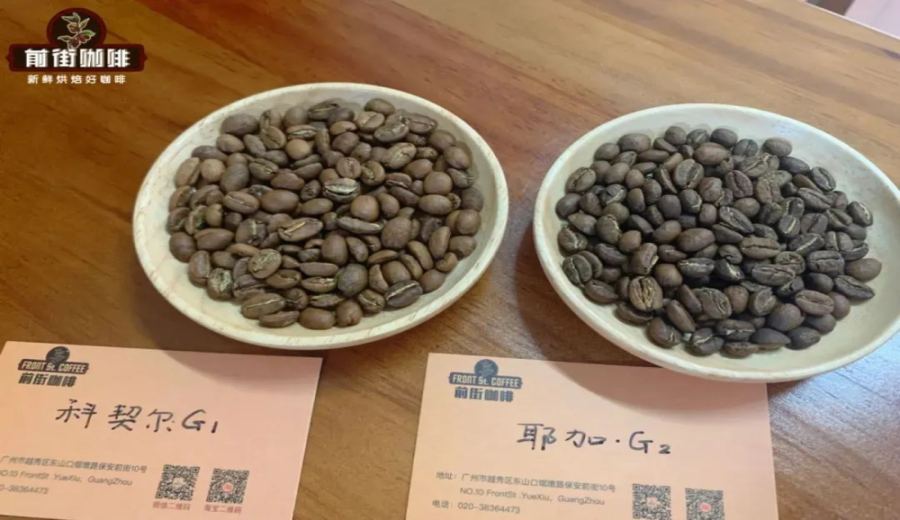
Introduction:What grading logic lies behind the commonly seen G1, G2 labels on Ethiopian coffee beans? From early defect-based assessments to later comprehensive evaluations combining cupping scores, and up to the latest export standards in 2022, this article delves into the evolution of Ethiopia’s coffee grading system. It also explains the differences in grading between washed and natural processed beans, helping you select high-quality Ethiopian beans more precisely.
As Africa’s largest coffee-producing country and also regarded as one of the birthplaces of coffee, Ethiopia boasts uniquely
In the early days, coffee grading in Ethiopia was handled by the CLU (Cupping and Liquoring Unit) under the country’s Ministry of Agriculture. The grading method at the time primarily relied on counting the number of defective beans in a 300g sample of green coffee. Due to Ethiopia’s vast and diverse coffee varieties—many of which are wild or semi-wild—variety identification was difficult, and little distinction was made during harvesting. This led to significant variations in the appearance of the beans, making it impossible to grade them by size as in other regions. As a result, defect rate became the main criterion for grading. Under this standard, coffee beans were divided into five grades from G1 to G5, with G1 and G2 considered specialty-grade. At the time, because washed processing technology was relatively mature and stable, only washed beans had the potential to reach G1 or G2, while natural-processed beans mostly fell into G3 or lower.
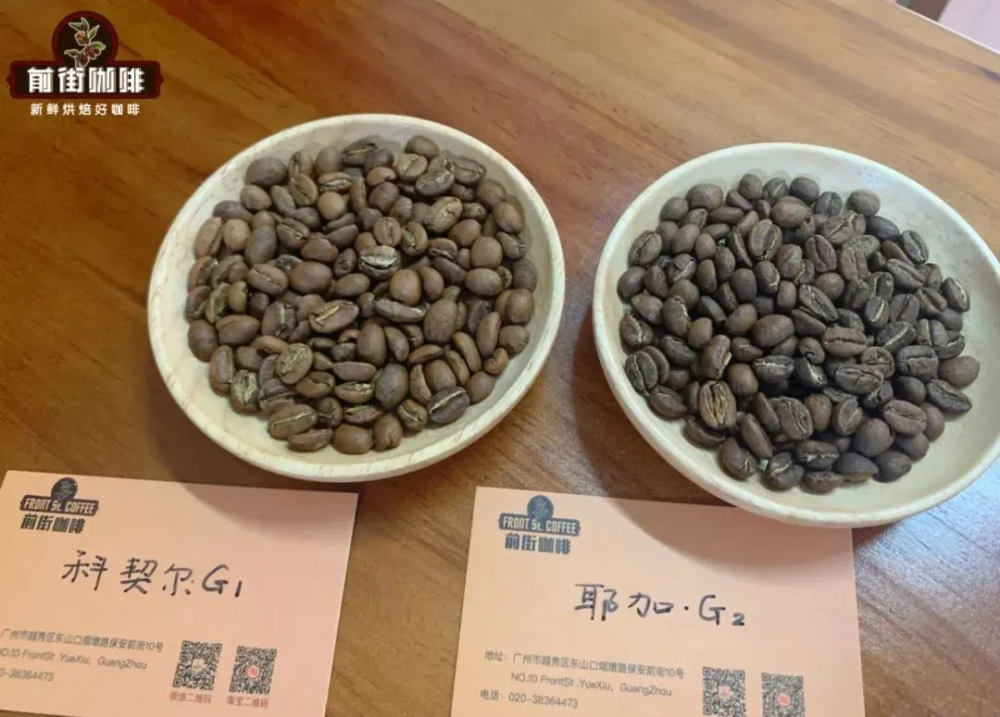
This grading model remained in place until 2009, when the establishment of the Ethiopian Commodity Exchange (ECX) brought major changes to the overall grading system. Building on the traditional defect rate criteria, the ECX introduced cupping scores as an additional evaluation metric, making the grading more comprehensive. With advancements in processing techniques, the quality of natural-processed coffee gradually improved, and many high-quality natural beans also achieved high ratings of G1 and G2 through cupping, breaking the previous monopoly of washed beans in the specialty category.
By March 2022, Ethiopia revised its export coffee standards once again, clearly categorizing all exported coffee into three types: Specialty Coffee, Commercial Coffee, and Domestic Coffee. Specialty Coffee requires minimal defective beans and outstanding cupping flavor performance; Commercial Coffee, while not meeting specialty standards, still has better quality than Domestic Coffee; Domestic Coffee typically consists of beans with more defects, poor storage conditions, or beans that are past their prime, mainly supplied to the local market and not for export.
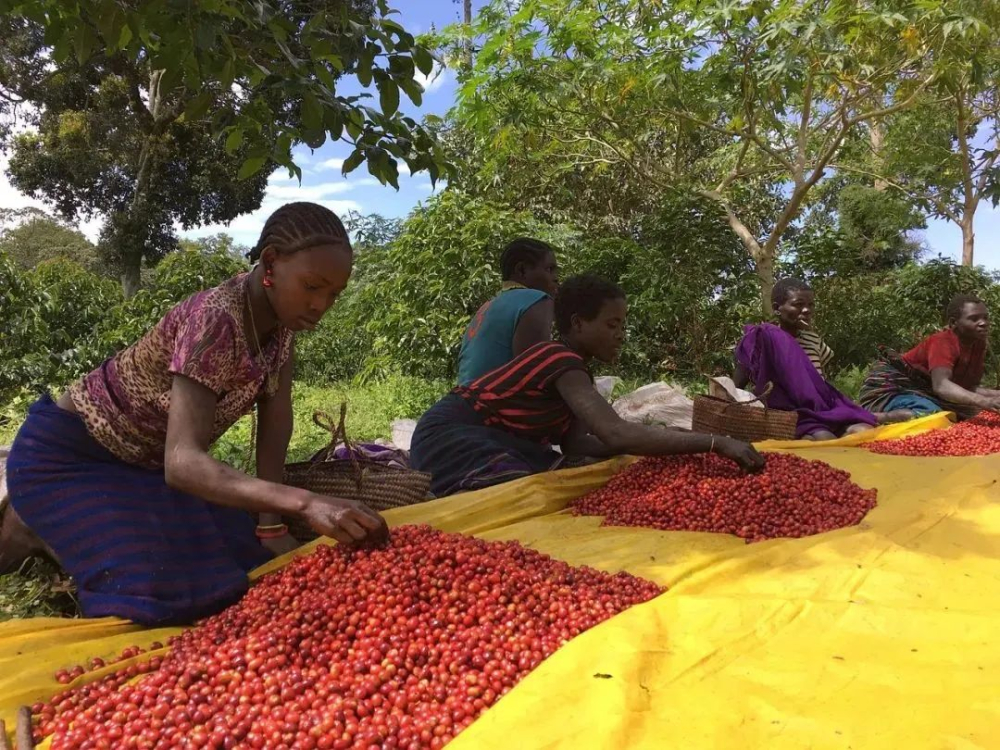
In the actual grading process, all coffee is first categorized by processing method (washed or natural) and initially rated into six grades, including UG grades with (P) and without (NP) parchment. For washed beans, physical characteristics account for 40% of the total score, broken down into defect count (20%), bean shape (10%), color (5%), and aroma (5%); cupping quality makes up 60%, evaluated based on cleanliness, acidity, mouthfeel, and flavor characteristics, each accounting for 15%. The scoring proportions for natural beans are similar to those for washed beans, with physical characteristics also accounting for 40%, but with a higher weight for defect count (30%) and aroma accounting for 10%; cupping quality also focuses on cleanliness, acidity, mouthfeel, and flavor characteristics, each at 15%, totaling 60%.
After the initial grading, green beans that achieve G1 or G2 grades undergo a second professional cupping session to further confirm their potential as specialty coffee. If G1 or G2 green beans score 85 or above in the second cupping, they are promoted to Q1 grade; if G1, G2, or G3 green beans score between 80 and 84.75, they are rated as Q2 grade; and if any G1, G2, or G3 green beans score below 80, they are downgraded to G3 grade.
Ultimately, coffee beans graded as Q1 or Q2 are exported as specialty coffee, while those classified as G3 in the second evaluation, as well as beans graded G4 or below in the initial grading, are exported as commercial coffee. Beans that fail to advance in the initial screening are categorized as domestic coffee, intended solely for the local Ethiopian market and not for international export.
Understanding Ethiopia’s coffee grading system helps consumers make more informed purchasing decisions, especially for coffee enthusiasts who pursue high-quality pour over or brewing experiences. Grasping the differences between G1, G2 and Q1, Q2 grades allows for a more precise selection of coffee beans that match one’s flavor expectations.

The above content is compiled by CoffeeHunters, a coffee news website.


