







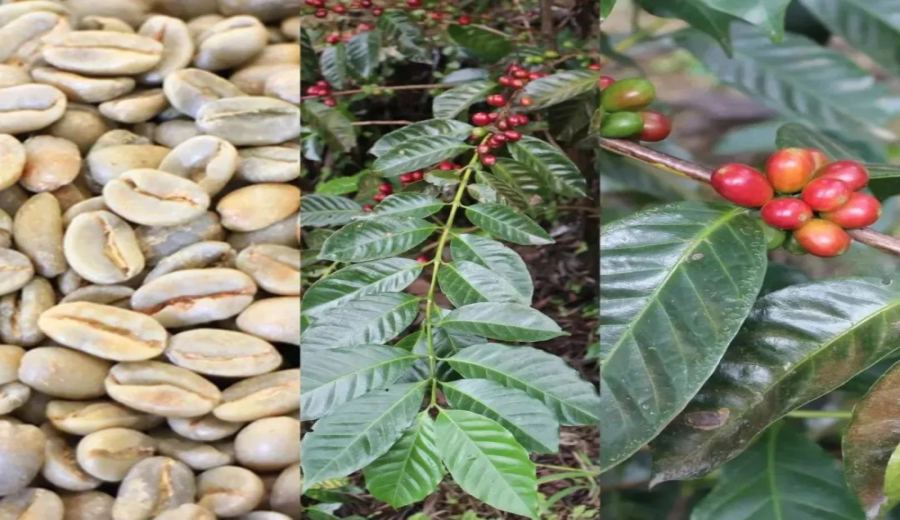
Introduction:Want to know where Panamanian Geisha originates from? This article starts with the discovery journey of Geisha, introducing how it was found in the pristine forests of southern Ethiopia, and follows the footsteps of Adam Overton and his wife to understand the birth of the Gesha Village Estate and its three main cultivated varieties: Gesha 1931, Gori Gesha, and Illubabor Forest 1974. Through detailed varietal analysis and real-world brewing flavor descriptions, take a glimpse into the true essence of this legendary coffee.
When it comes to Geisha, many people’s first reaction is the auction lot from Panama’s Hacienda La Esmeralda that once captivated the world. However, this coffee, now hailed as one of the top varieties in the specialty coffee industry, actually originated in the Kaffa forests of southwestern Ethiopia. From its accidental discovery in its place of origin, to its stunning debut in Panama, and then back to Ethiopia’s Bench Maji region where the original flavors were revived at the Gesha Village Estate, this is a century-spanning journey of coffee roots.
The story begins in the 1930s. At that time, researchers discovered a type of coffee tree in the Kaffa Zone of southern Ethiopia, near what is now the Gesha area, that exhibited significant resistance to coffee leaf rust. This coffee was later taken to the CATIE agricultural research center in Costa Rica and assigned the number “geisha T2722,” becoming the genetic source of the Panamanian Geisha we know today.
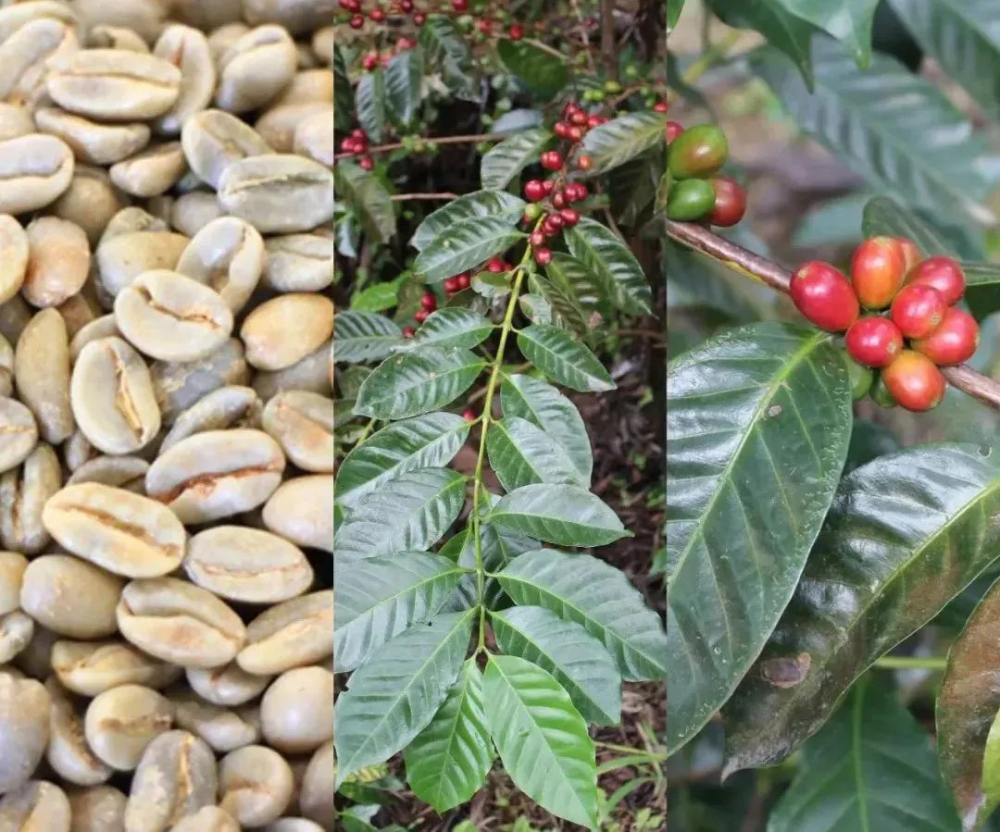
Years later, this same coffee gained fame at Panama’s Hacienda La Esmeralda after winning the “Best of Panama (BOP)” competition. With its unique jasmine, peach, and tea-like flavor profile, it quickly won over the palates of coffee lovers around the world. However, the true homeland of Geisha has always quietly stood within the pristine forests of southwestern Ethiopia.
In 2007, director Adam Overton and his photographer wife Rachel Samuel were invited by the Ethiopian government to shoot a documentary about coffee in the Bench Maji region. During their location scouting, they stumbled upon the Gori Gesha Forest and were deeply intrigued by the unique flavor potential of the wild coffee trees there, which led to the idea of establishing a coffee estate.
Two years later, through collaboration with Willem, the owner of Panama’s Don Pachi Estate (commonly known as the Mule Farm), the filmmaking team returned to Ethiopia. After exploring various locations, they finally found a group of coffee trees most closely related to the original Geisha genetics near a village called Gesha Village. They carefully selected seeds, began planting locally, and officially established the Gesha Village Estate.
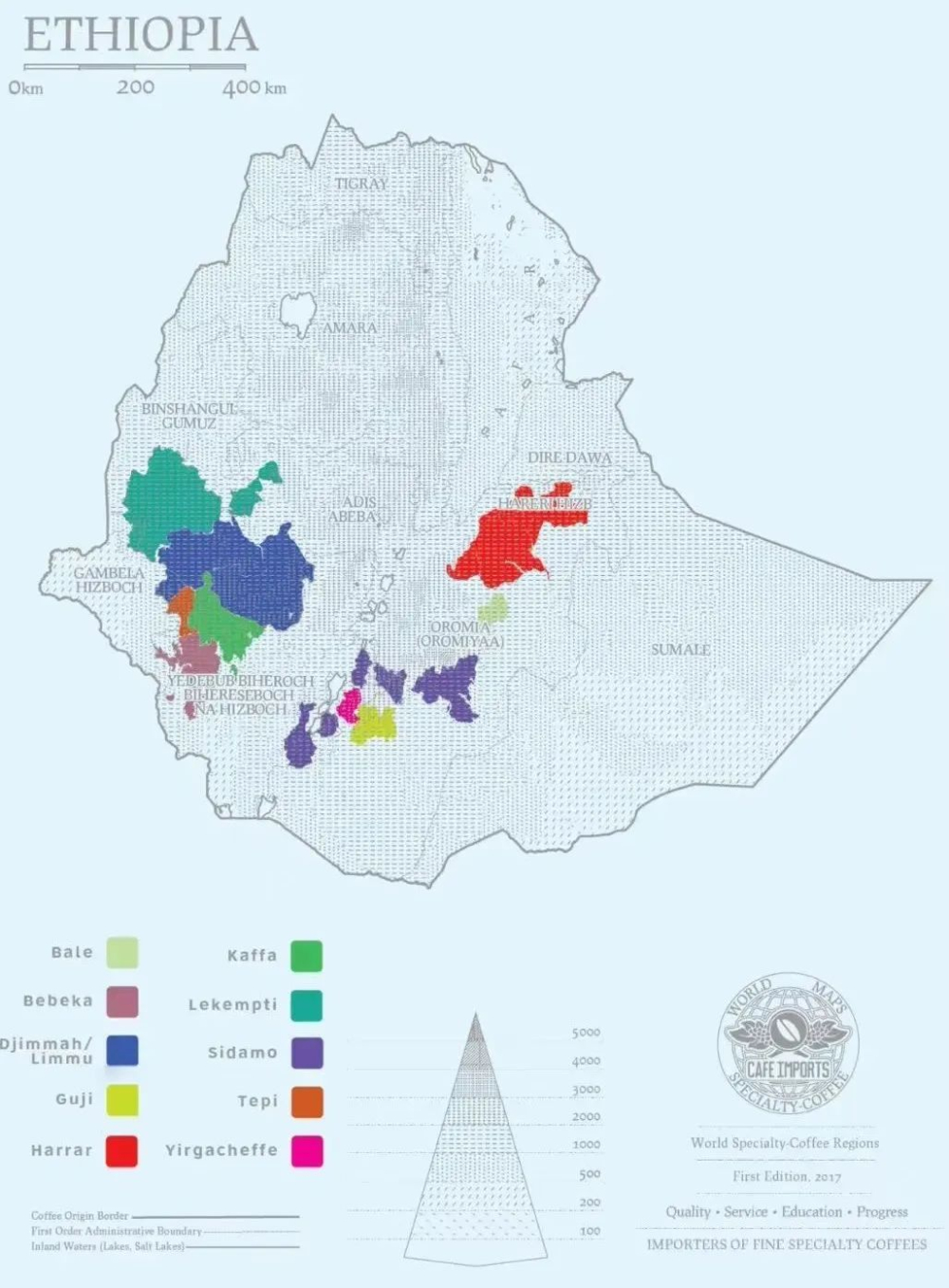
It’s worth noting that Ethiopia’s coffee-growing regions are highly diverse, with coffee produced across 12 states and 2 autonomous administrative regions. Key producing areas include well-known regions such as Sidamo, Yirgacheffe, Guji, and Harrar. While many are familiar with these names, the true birthplace of Geisha is actually the Kaffa region in southwestern Ethiopia, which now falls under the newly established Southwest Ethiopia Peoples’ Region.

The Kaffa region boasts distinctive tropical rainforest and high-altitude environments, with the Kaffa Biosphere Reserve being a hotspot of extremely high biodiversity. The Bench Maji zone, where the Gesha Village Estate is located, although administratively part of the Bench Sheko zone, benefits from a microclimate and pristine forest environment that give it flavor potential distinctly different from other regions.
Additionally, research by French botanist Jean-Pierre Labouisse indicates that the coffee originally classified as ‘Geisha’ may have come from multiple different tree species. Therefore, the Geisha we refer to today is not a single variety, but includes multiple genetically similar yet distinct strains. Panamanian Geisha is just one standout representative among them.
Currently, the Gesha Village Estate mainly cultivates three varieties: Gesha 1931, Gori Gesha, and Illubabor Forest 1974. Among them, Gesha 1931 is an ancient variety found by the estate team in the native forest, with genetic analysis showing it is very similar to the Geisha discovered in Panama in 1931; Gori Gesha is a similar variety discovered in 2011 in the Gori Forest, about 12 miles from the estate; while Illubabor Forest 1974 is a disease-resistant variety cultivated in collaboration with the Ethiopian research center, originating from a 1974 discovery in the Illubabor Forest.
Many coffee enthusiasts are also familiar with the Red Label Geisha, which is the Gori Gesha variety from Gesha Village, processed using the natural (sun-dried) method. After brewing, it exhibits prominent jasmine and ripe fruit aromas. On the palate, you can taste layers of citrus, grape, and wild ginger flower, with a bright and delicate acidity and a sweet fruity finish. Overall, it presents a clean and balanced profile, making it an excellent choice for experiencing the flavors of Gesha Village.
In summary, the story of Geisha is not just about the rise of a single variety, but a cross-border coffee culture legend — from its place of origin to the global stage. If you’re interested in pour over coffee, selecting specialty beans, or exploring flavors, delving into the three main varieties of Gesha Village and their unique backgrounds will add more dimensions and depth to your coffee experience.
The above content is compiled by CoffeeHunters, a coffee news website.


