







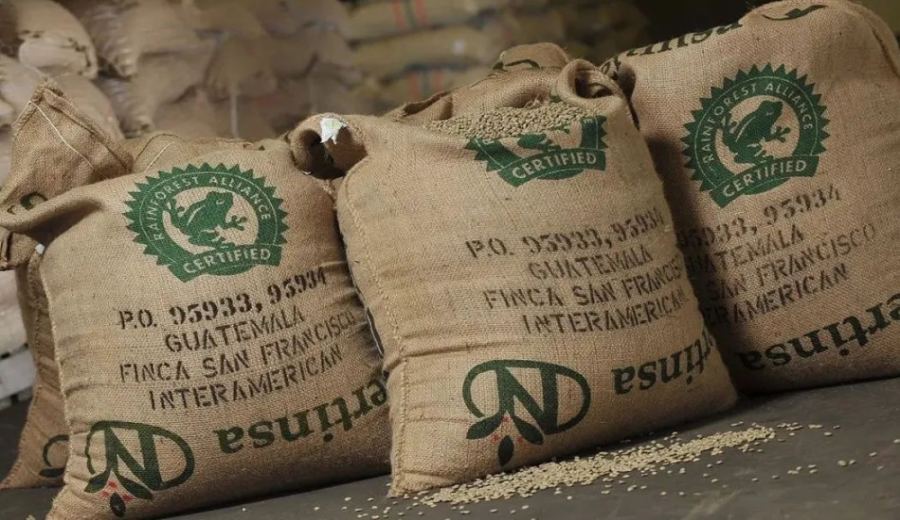
Introduction:Have you heard of the term “frog bean”? In fact, it refers to Rainforest Alliance-certified coffee beans that bear a green red-eyed tree frog label. These coffees adhere to strict sustainability and social responsibility standards from cultivation to harvesting. This article delves into the founding background of the Rainforest Alliance, its merger history with UTZ, the specific requirements of the certification, and why the red-eyed tree frog was chosen as its symbol. It also introduces several high-quality certified coffees to help you better understand the meaning and flavor profile behind sustainable coffee.
In the world of specialty coffee, there is a type of coffee bean affectionately called “frog bean” by enthusiasts because its packaging features a green red-eyed tree frog graphic. This isn’t just a fun nickname—it actually indicates that the batch of coffee has passed the rigorous certification of the Rainforest Alliance (雨林聯盟), showcasing a commitment to environmental and social responsibility throughout the entire production and processing chain.
The Rainforest Alliance was founded in 1987 by American environmentalist Daniel R. Katz and a group of passionate environmental advocates as an international non-profit organization. Initially, the organization focused on protecting the ecosystems of tropical rainforests. Over time, its mission expanded to promoting sustainable agriculture, responsible sourcing, and enhancing the well-being of local communities. In 2018, the Rainforest Alliance officially merged with the internationally renowned UTZ certification organization, integrating their expertise and resources in sustainable agriculture to form a more comprehensive certification system.
Originally based on the EU Good Agricultural Practices (EurepGAP), UTZ provided certification across the entire chain—from production to processing—for crops such as coffee and cocoa. The certification emphasized three key aspects: environmental friendliness, social equity, and economic sustainability, and ensured farms complied with relevant standards through independent auditing mechanisms. After the merger, the Rainforest Alliance took over UTZ’s certification system and further introduced a unified “Rainforest Alliance Certified” label, which is widely applied to various crops, most notably coffee.
To obtain Rainforest Alliance certification, farms must meet a series of stringent criteria, primarily covering three core areas: nature conservation, farming methods, and regional social responsibility. In terms of nature conservation, the focus is on maintaining biodiversity, including preserving native trees, minimizing forest disturbance, and properly managing water resources and soil health. Farming methods encourage practices like shade-grown cultivation, limiting the use of chemical inputs, and establishing comprehensive waste management and soil conservation measures. On the social responsibility front, the criteria include fair wages, safe working conditions, a ban on child labor and forced labor, as well as the promotion of education and development within farm communities.
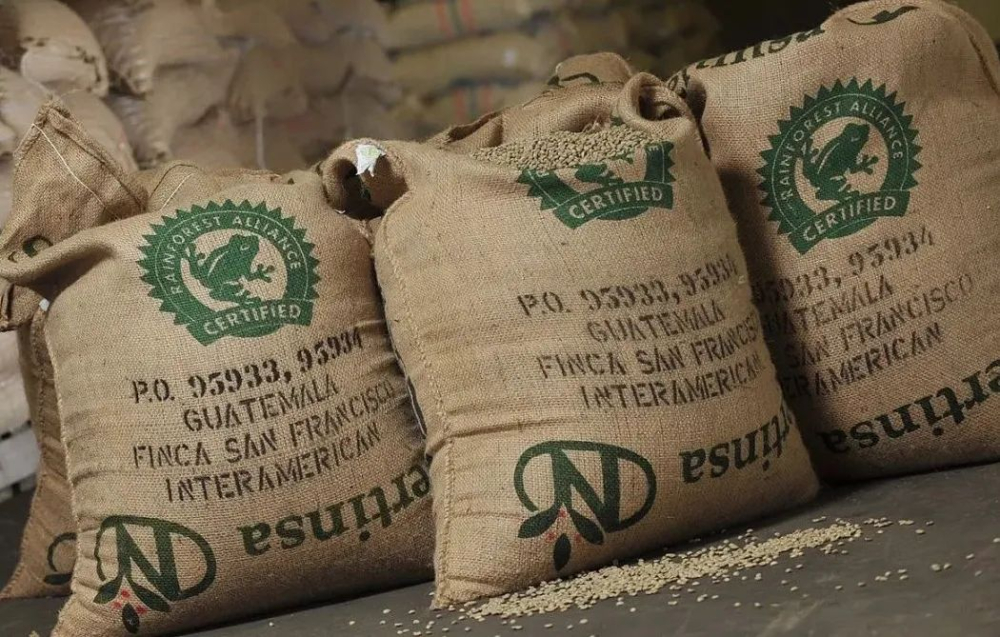
This certification standard not only emphasizes product quality but also focuses on the sustainability and ethical responsibility of the entire supply chain. Farms that achieve certification are reassessed every three years to ensure ongoing compliance with the latest standards. Only coffee that passes this rigorous review can display the Rainforest Alliance’s green frog logo on its packaging, allowing consumers to easily identify its sustainable credentials at the point of purchase.
So why was the red-eyed tree frog chosen as the symbol of the certification? This brightly colored small tree frog is primarily found in the tropical rainforests of Central and South America and has very high requirements for water quality and vegetation in its habitat. As a result, it is often regarded as an indicator species of environmental health. The Rainforest Alliance selected the red-eyed tree frog as its symbol in its second year not only because of its close association with tropical rainforests but also due to its rarity and sensitivity to environmental changes, making it an effective messenger for the core message of protecting natural ecosystems.
Currently, while there aren’t many Rainforest Alliance-certified coffees on the market, each one undergoes strict scrutiny and comes with considerable quality assurance. For example, Diamond Mountain Coffee from Panama’s Emerald Estate is a high-quality bean variety known for its high altitude and shade-grown cultivation, often exhibiting bright acidity and complex floral flavor notes. Additionally, Jamaica’s Blue Mountain No. 1, produced by the Clifton Estate, is another globally renowned high-altitude coffee. It is the only estate in Jamaica to receive “Rainforest” certification, and its flavor is celebrated for its rich nuttiness and smooth cocoa aftertaste, with a delicate texture and layered complexity.
In summary, the Rainforest Alliance certification is more than just a green frog graphic—it represents a comprehensive set of sustainable agricultural practices, addressing environmental protection, social equity, and economic sustainability in a holistic approach to securing the future of the coffee industry. For consumers, choosing coffee with the red-eyed tree frog label not only means enjoying high-quality flavors but also supporting a more responsible agricultural supply chain.
The above content is compiled by CoffeeHunters, a coffee news website.


