







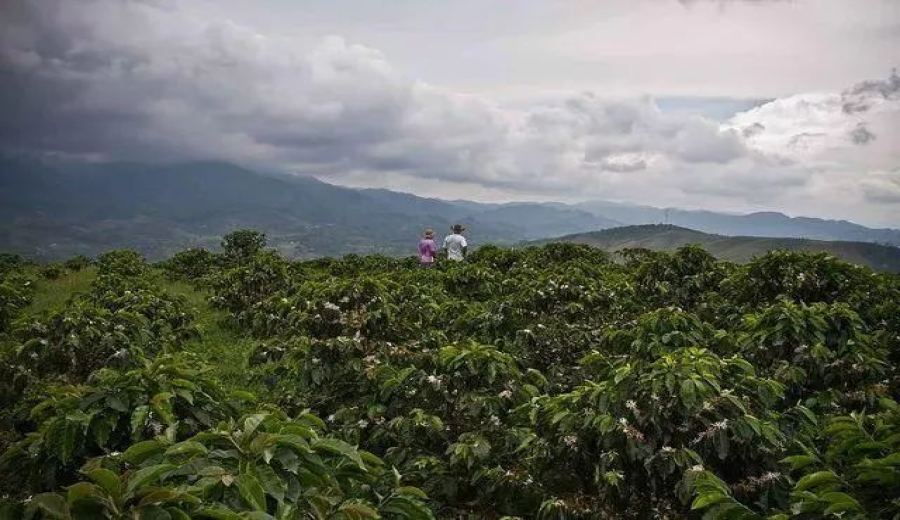
Introduction:Colombian coffee has been rapidly rising in the Chinese market, leaping to become its sixth-largest export destination in 2023 with shipments reaching 540,000 bags. As coffee consumption in China continues to grow, the Colombian coffee industry is gradually emerging from the shadow of reduced production, with an expected 15% increase in output for the 2023/24 season. However, uncertainties such as drought, wildfires, and armed conflict still pose potential risks to future development. This article provides an in-depth analysis of Colombian coffee export trends to China, the current state of the industry, and its market potential.
In recent years, Colombian coffee has consistently performed well in the Chinese market, gradually gaining favor among local consumers. According to official statistics and industry analysis, China is on track to become the sixth-largest export market for Colombian coffee by the end of 2024, and may even rise to second place in the future. In 2019, China ranked only 18th, but by 2023, exports had surged to 540,000 bags (each weighing 60 kilograms), jumping to sixth place.
Looking at overall export performance, in the first eight months of 2024, Colombia’s coffee exports totaled $2.193 billion, reflecting an impressive year-on-year growth rate of 13%; total export volume reached 7.8 million bags, up 16% compared to the previous year. The top five export markets are currently the United States, Canada, Belgium, Germany, and Japan, with China firmly holding sixth place, indicating its increasingly stable market position.
The rapid expansion of the Chinese coffee market is a key backdrop driving the growth of Colombian coffee exports to China. According to data from market research firm Mordor Intelligence, the size of China’s coffee market was $2.06 billion in 2023, and is projected to reach $2.26 billion by 2028, with a compound annual growth rate of 1.90% during this period. This growth is primarily driven by the accelerated expansion of both domestic and international coffee shop chains, which has also led to increased consumer demand for high-quality imported coffee beans.
A report from the Colombian National Federation of Coffee Growers (FNC) indicates that the country’s coffee industry was previously impacted by the La Niña phenomenon, resulting in three consecutive years of declining production. However, in 2023, there was a slight rebound of 2%. Entering 2024, the pace of production recovery has accelerated, with the total output for the 2023/24 season expected to reach 13 million bags, marking an impressive year-on-year growth of 15%, while exports are estimated at 12 million bags.
However, the Colombian coffee industry still faces multiple challenges on the road to recovery.This year, in particular, drought and wildfire issues have been especially severe.Since January, Colombia has experienced unusually dry weather, with water levels in many reservoirs dropping significantly, putting pressure on agricultural production. Although rainfall stabilized somewhat after the rainy season began in May, easing some of the impact, by September the drought conditions worsened again, triggering widespread forest fires.
According to statistics from Colombia’s National Risk and Disaster Management Unit, as of September, nearly 11,000 hectares of land across the country had been affected by fires, including key agricultural areas growing important crops such as coffee and sugarcane.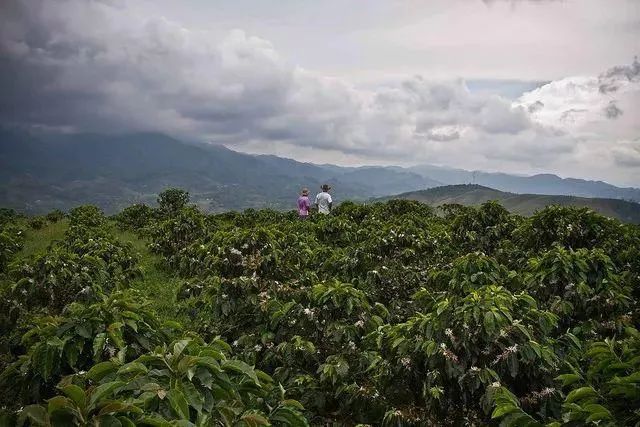 These extreme weather events have had some impact on coffee production, but compared to previous years, the overall losses have been somewhat mitigated, indicating that coffee-growing regions are gradually accumulating experience in coping with climate change.
In addition to climate issues, domestic security in Colombia is also a major concern. Recently, the country has seen frequent clashes with the largest faction of the anti-government guerrilla group "Revolutionary Armed Forces of Colombia" (FARC), known as the "Central General Staff," particularly in the southwestern departments of Nariño, Cauca, and Valle del Cauca, where conflicts have escalated, resulting in casualties among military, police, and civilians. In response, the Colombian government has deployed over 1,400 soldiers and utilized fighter jets, tanks, and artillery to attack rebel strongholds. Some coffee-producing areas have also been indirectly affected in terms of transportation and production activities.
In the face of these challenges, the Colombian coffee industry is now placing greater emphasis on increasing yield per unit area rather than significantly expanding planting acreage. By rejuvenating old coffee trees, introducing disease-resistant varieties, and improving agronomic techniques, the aim is to maintain or even increase total output within limited land resources. However, climate change and geopolitical uncertainties remain important variables affecting future production levels.
Overall, Colombian coffee holds significant development potential in the Chinese market. As local consumption habits mature and the market expands, future export volumes and market rankings are expected to rise further. For coffee enthusiasts, understanding the regional characteristics, processing methods, and flavor profiles of Colombian coffee can help in more precisely selecting beans that suit their taste preferences, and in experiencing the unique coffee flavors from the Andes Mountains.
The above content is compiled by CoffeeHunters, a coffee news website.


