







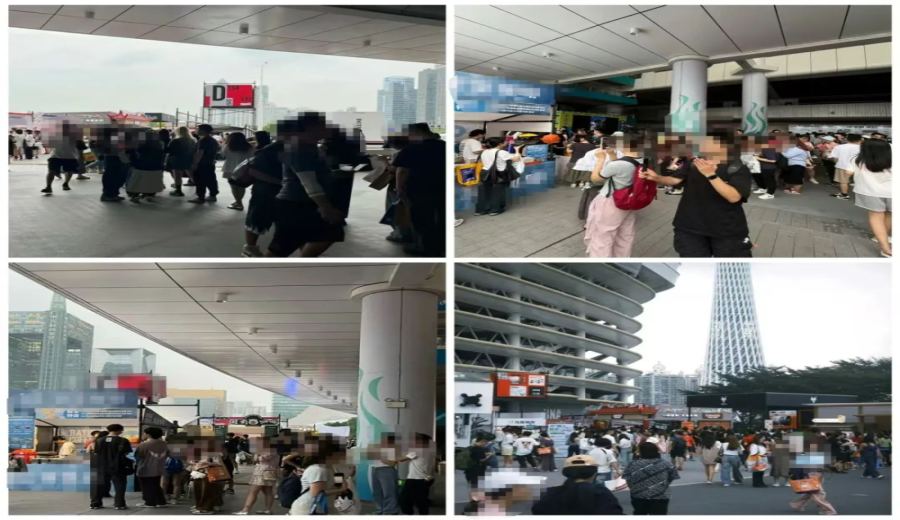
Introduction:A recent large-scale coffee festival held in Guangzhou attracted numerous coffee enthusiasts, but the pricing of the drinks on-site sparked widespread discussion. Specialty drinks often cost forty to fifty yuan, while pour over coffee can even reach over six hundred yuan, leaving many consumers exclaiming, "It’s unaffordable." This article delves into the reasons behind the high prices at coffee festivals, explores the cost pressures faced by exhibitors, and offers practical advice to help readers find better value options during such events.
A recent major coffee festival in Guangzhou became a hot topic in the city, drawing participation from numerous well-known domestic and international coffee brands, with crowds flocking to the venue. However, many visitors noticed that the prices of drinks at the booths were generally high—specialty drinks mostly ranged between forty to fifty yuan, and combo sets often exceeded eighty yuan. The price range for pour over coffee was even more astonishing, varying from several dozen yuan to over a hundred yuan, with some individual booths even listing prices as high as six hundred yuan, deterring many potential customers.
Some customers observed that certain participating brands actually offer relatively affordable options at their regular offline stores, such as coffees priced around ten yuan, yet at the coffee festival, they only presented higher-priced products. This phenomenon has led many to wonder: why has the coffee festival turned into a “high-price market”? What cost pressures do exhibitors face? And can the consumer experience still live up to its original ideals?
In fact, this trend of “only selling the most expensive items” is not an isolated case. Many consumers noted that some brands they are familiar with do offer lower-priced choices at their usual stores, despite also having premium products. However, at coffee festivals or markets, booth menus often list only the pricier drinks, prompting many to joke that vendors have “brought out only the most expensive items from their shops.”
Even more surprising is that the promotional prices of some products are actually higher than their in-store prices. Drinks that normally cost twenty to thirty yuan per cup may jump to forty or fifty yuan when labeled as “event-exclusive,” leaving consumers puzzled. Many believe that if one wishes to enjoy a quality cup of coffee at a reasonable price, visiting a physical store might be the wiser choice.
Industry insiders explain that exhibitors at such events must bear a variety of costs themselves, including accommodation, transportation, product materials, equipment rental, and booth fees. For some exhibitors traveling from afar, selling only low-priced drinks may make it difficult to cover costs, or could even result in losses. As a result, some booths opt to offer higher-priced products to balance their expenses.
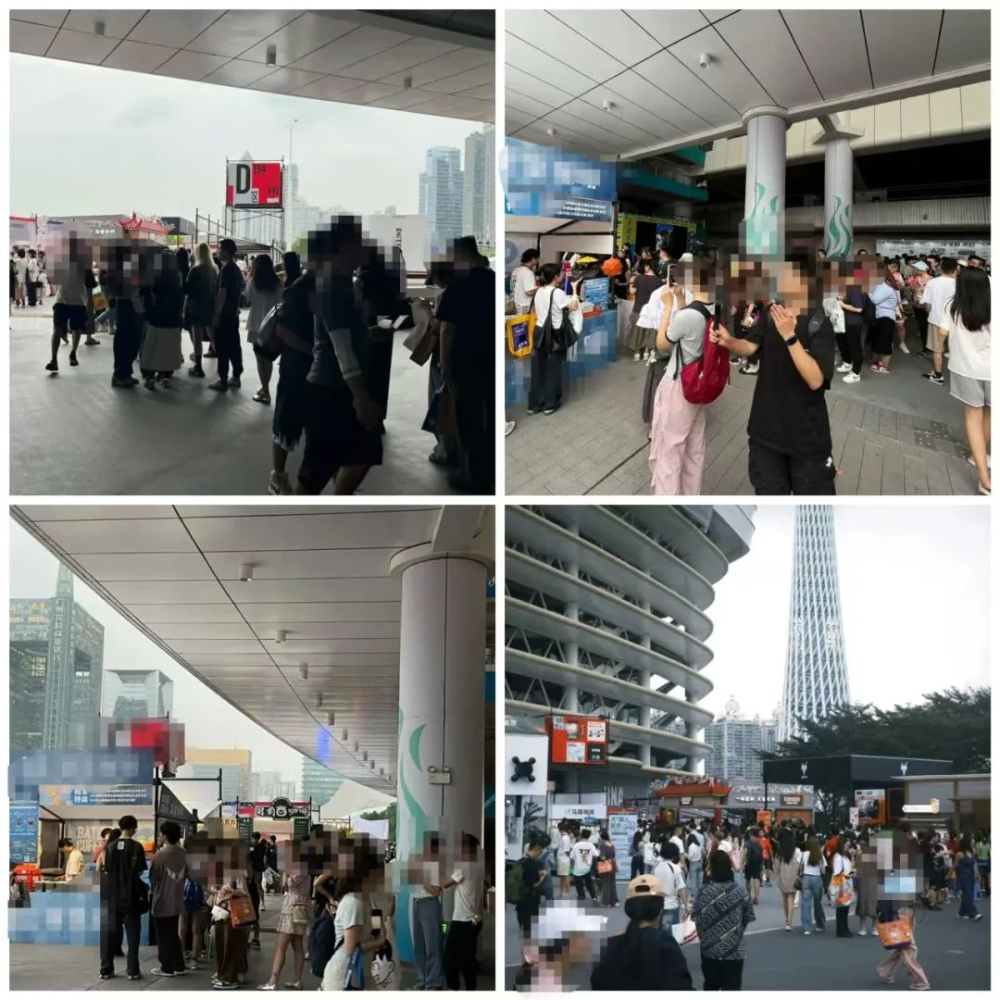
Moreover, to stand out among the many booths and attract more customers to stop by, some exhibitors invest effort in booth decoration to create unique visual experiences. While these thoughtfully designed booths can draw attention, they also inadvertently increase operational costs, which further drives up the price per cup of coffee.
For the majority of visitors who come specifically for the event, they hope to enjoy, at a reasonable cost after paying the entry fee, types of coffee that are usually hard to access, engage with baristas, and immerse themselves in this coffee celebration. However, in reality, many attendees only buy a few specialty drinks for photo opportunities and social media sharing before concluding their visit; meanwhile, vendors may take the opportunity to raise drink prices, aiming to gain higher profits from the event.
Many regulars at coffee festivals have observed that product prices at booths are getting higher and higher, while the availability of sample tastings is becoming increasingly scarce. They can’t help but lament that most coffee events have gradually lost their original intent and look nothing like they did in the beginning.
The above content is compiled by CoffeeHunters, a coffee news website.


