







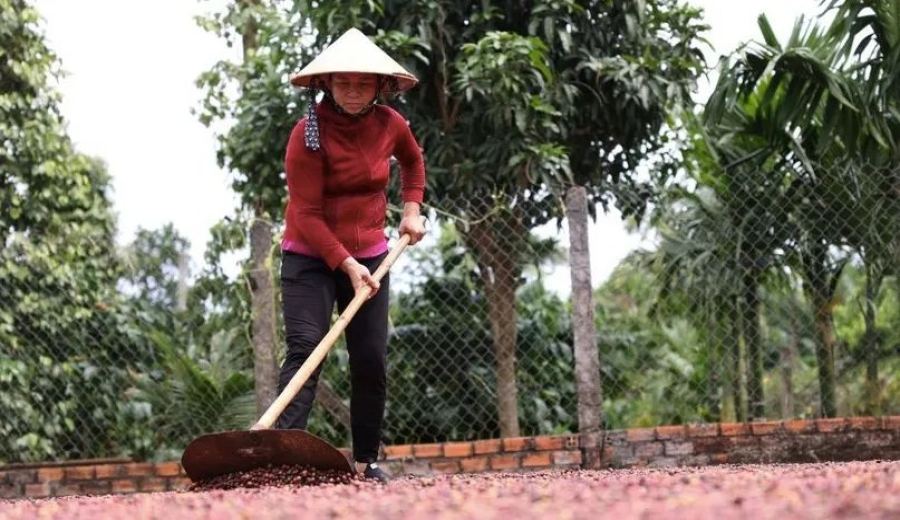
Introduction:As the world’s largest producer of Robusta coffee, Vietnam is facing its most severe challenges in nearly a decade during the 2024/25 season. Droughts, typhoons, and the impending La Niña phenomenon have not only led to an expected production decline of 10%, but may also exacerbate fluctuations in international market prices. This article provides an in-depth analysis of how climatic factors are practically impacting coffee-growing regions, and highlights key observations regarding Robusta futures trends to help traders and coffee enthusiasts stay well-informed.
According to the latest assessment by international coffee traders, Vietnam’s upcoming 2024/25 coffee season, which begins in October, is projected to see output drop by approximately10%compared to previous years, a figure that could mark a new decade-low. The main driver behind this trend is the country’s worst drought in a decade, particularly during the critical March-to-May period when coffee trees flower and bud. Insufficient water directly hindered plant growth and development. Even though rainfall has picked up after the end of May, it has not been enough to fully reverse the damage caused by earlier drought conditions to the coffee farms.
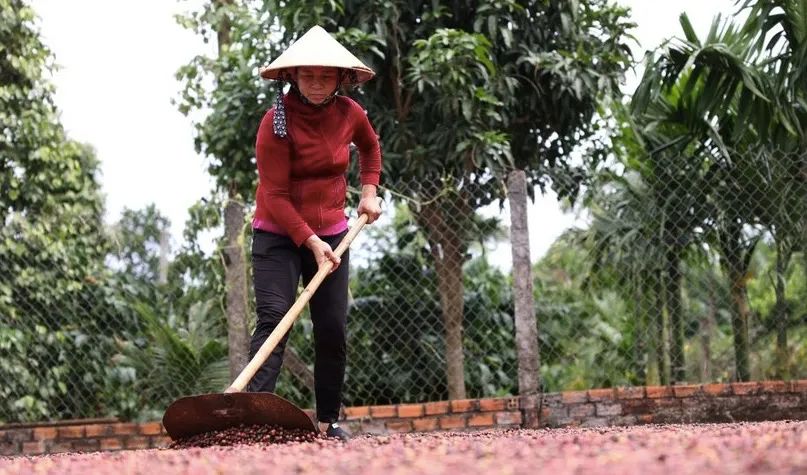
Vietnam is not only the world’s second-largest coffee producer, but also the largest grower of Robusta beans. This year’s prolonged dry weather, especially in major producing areas, has led to the withering and death of some coffee trees, while the surviving ones have seen significantly reduced yields due to water scarcity. Official Vietnamese statistics show that total coffee exports in the first nine months of 2024 amounted to about 1.1 million tons, a decrease of11.5%compared to the same period in 2023, further confirming the reality of shrinking production.
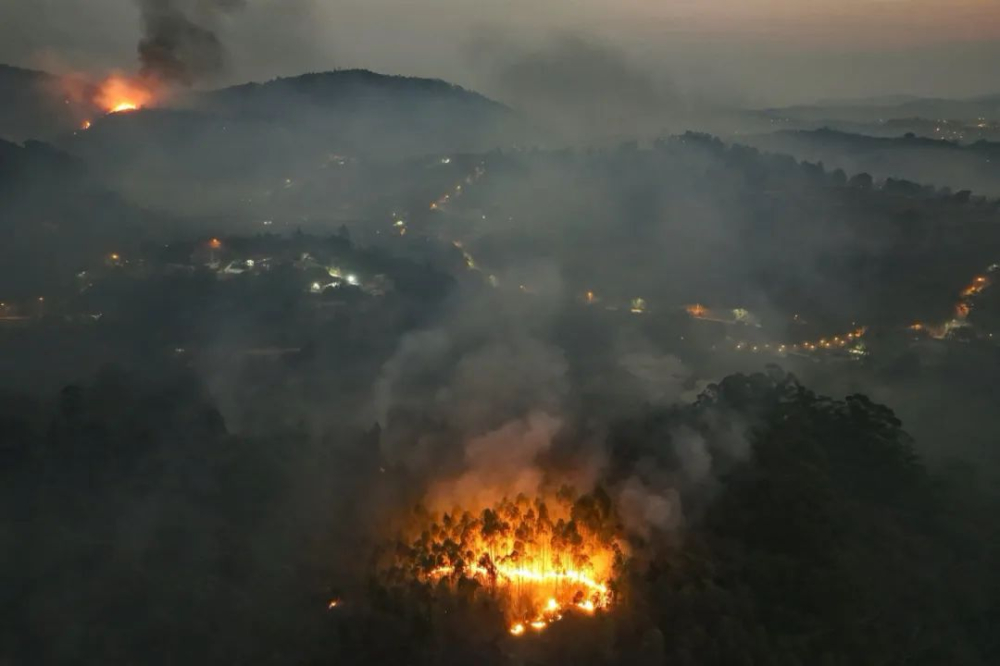
Industry experts analyze that the final harvest this year could be around10%lower than the originally targeted production volume. Previously, due to drought and fire threats in both Vietnam and Brazil, along with the enforcement push of the EU EUDR (European Union Deforestation Regulation), international Robusta coffee futures prices once surged to$5,572 per ton, hitting a near half-century high. However, as rainfall has resumed in parts of Brazil—especially in the key Robusta-growing regions of Espírito Santo—prices have retreated, recently falling to$4,701 per ton, the lowest level in six weeks.
A proposal by the European Commission to postpone the implementation of the EUDR legislation by one year is expected to be voted on during the plenary session on November 13–14. It is understood that among the 720 seats in the European Parliament, 401 are held by three major political groups (including the European People’s Party, the Socialists & Democrats, and Renew Europe) that support the delay, making the passage of the proposal highly likely. Should the delay be approved, European coffee traders may adjust their purchasing schedules, further influencing short-term supply and demand in the market.
Although Vietnam received rainfall by the end of May,the damage to coffee trees from the earlier drought has already taken its toll. Some plants died due to prolonged water shortages, while those that survived have produced fewer and lower-quality fruits due to worsened growing conditions. Observations from the Vietnam Commodity Exchange align with those of international traders, both anticipating an overall production decline of about10%for the 2024/25 season.
Furthermore, Southeast Asia has recently been hit frequently by typhoons, including Super Typhoon Yagi in September, which made landfall in northern Vietnam, causing nearly 300 deaths, multiple missing persons, and widespread floods and landslides. These events have severely impacted local agricultural infrastructure and economic activities. Meteorological forecasts suggest that rainfall in Southeast Asia may continue to exceed the annual average in the coming months, a trend closely linked to the developingLa Niña phenomenon.
The La Niña phenomenon typically pushes warm Pacific currents westward, resulting in increased precipitation across Southeast Asia. Experts from the World Meteorological Organization analyze that the chance of La Niña occurring in the second half of this year (particularly between October and November) is about70%, and it may continue to influence conditions through January to March 2025. This climate pattern not only threatens to heighten agricultural risks in major producing regions like Vietnam, but also introduces greater uncertainty into the global coffee supply chain.
Taking into account the complex interplay of harsh weather, shipping challenges, and geopolitical factors, international traders generally believe that Robusta coffee market prices will remain volatile through the end of 2024. For coffee professionals and importers, closely monitoring regional climate changes and futures market trends will be crucial for proactively planning procurement strategies and mitigating potential supply chain risks.
The above content is compiled by CoffeeHunters, a coffee news website.


