







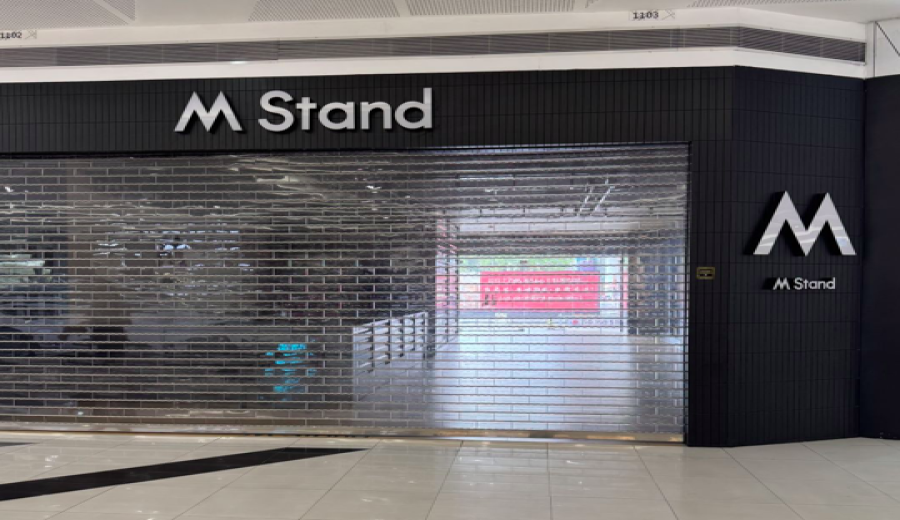
Introduction:The first M Stand store in SM City Quanzhou Jinjiang quietly ceased operations, having been open for less than two years since its launch in May 2023. This incident has drawn public attention to the challenges faced by specialty coffee brands expanding into second- and third-tier markets. This article delves into the reasons behind M Stand’s struggles in Quanzhou, explores the market logic behind the brand’s strategic adjustments in store location selection, and provides practical insights into the current state of coffee consumption in second- and third-tier cities.
Recently, netizens in Quanzhou noticed that the M Stand outlet located on the first floor of SM City Quanzhou Jinjiang had quietly closed, with all equipment removed and no official closure notice issued. Opened in May 2023, this was M Stand’s first official storefront in Quanzhou. However, it ceased operations in less than two years, sparking market discussions about the growth prospects of specialty coffee brands in second- and third-tier cities.
Customers who visited the store during the National Day holiday said they initially thought it was just a temporary closure. However, photos later posted online showed that the shop was completely empty—clearly not a case of short-term closure. Checks on both M Stand’s official mini-program and third-party delivery platforms indicated that the store had been marked as “closed.” This confirmed that the decision to exit the market had been finalized.
Currently, M Stand only has two remaining stores in Quanzhou, which opened in July and October 2023 respectively. Since the closure of the first store, the brand has not added any new outlets in the area. According to local residents, these three stores generally experience low foot traffic, with staff often outnumbering customers during many time slots—performance that fell short of expectations.
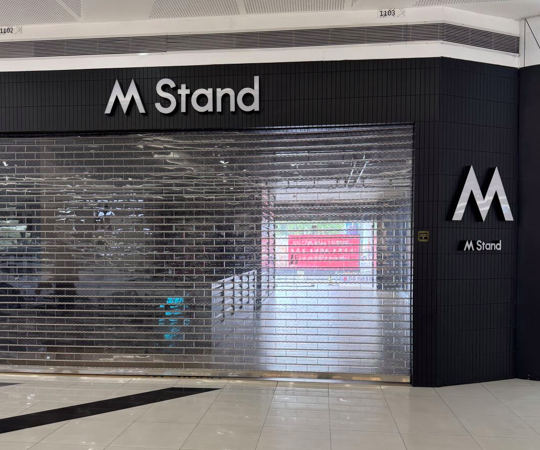
Although no official statement has been released regarding the specific reasons for the closure of the first store, some analysts believe that the limited acceptance among local consumers of M Stand’s relatively higher pricing may be one of the key factors affecting its sales performance. One netizen bluntly remarked: “Hardly anyone was shopping there, so it’s no surprise it closed,” and “Their target customer base is too small in Jinjiang,” reflecting a mismatch between the brand’s positioning and the local spending power.
Notably, this is not M Stand’s only recent adjustment in the Fujian market. In June of this year, another outlet in Xiamen’s Zhonghua City commercial district also quietly shut down without prior announcement, and the space was subsequently taken over by a bubble tea brand. These moves have led the public to speculate that the brand may be re-evaluating its layout strategy in second- and third-tier cities across Fujian.
Looking at the overall store expansion trend of the brand, M Stand’s newer stores have mostly been concentrated in first-tier cities such as Shanghai, Beijing, Guangzhou, and Shenzhen—markets with higher purchasing power and greater acceptance of specialty coffee. According to data from Zhaomen Canyan, the brand has not entered any new provinces or cities for over half a year, indicating a more conservative approach to expansion.
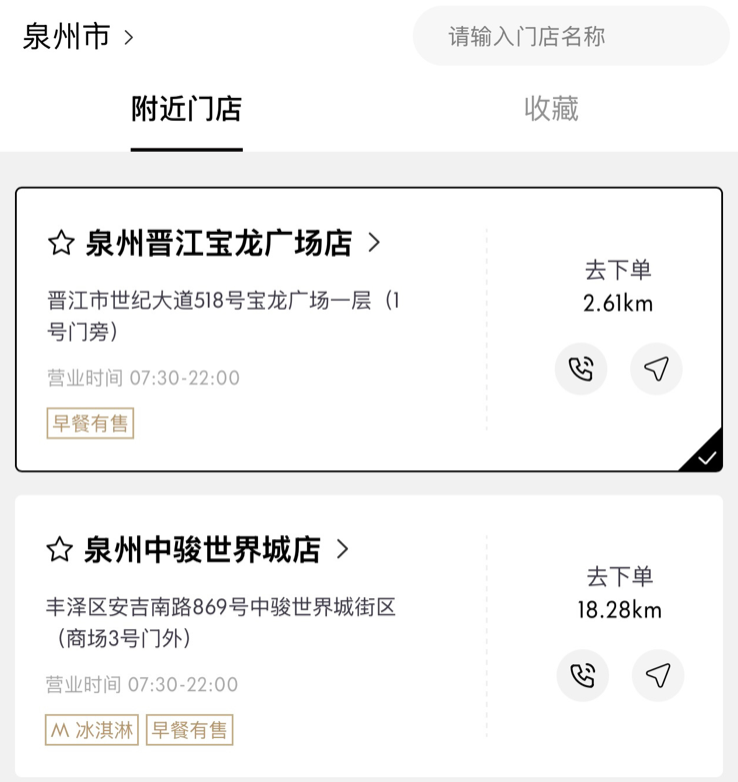
Under the current economic environment and consumer trends, the overall market shows a clear demand for “high cost-performance.” Many chain coffee brands have launched group-buying promotions, live-streaming sales, and other activities to attract customers. In contrast, although M Stand occasionally offers discounts, the discounts are relatively limited. Some consumers feel that the cost-performance ratio of its products still has room for improvement—especially in second- and third-tier cities, where a coffee priced at ¥20–¥30 is still considered a relatively high burden for many people.
A local netizen humorously commented that their relationship with M Stand is mostly “one-time consumption,” making it difficult to become a long-term customer. Industry observers note that if M Stand stores in second- and third-tier cities continue to face low foot traffic, the brand may choose to close underperforming outlets when leases expire or performance targets are not met, focusing resources instead on more profitable markets.
The above content is compiled by CoffeeHunters, a coffee news website.


