







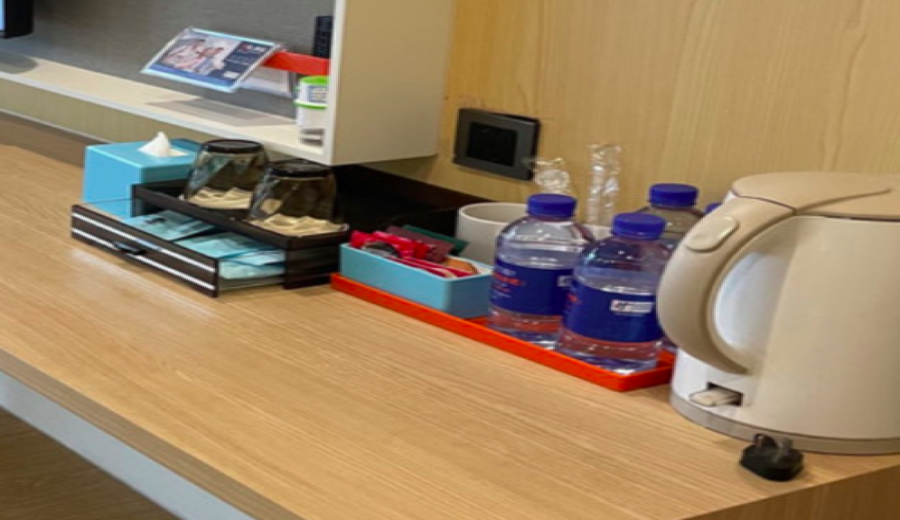
Introduction:A Zhengzhou traveler staying at a holiday hotel in Chengdu experienced gastrointestinal discomfort after drinking the free instant coffee provided in the room, only to discover that the coffee was nearly six months past its expiration date. The hotel offered to refund the room charge plus a “reward” of 2,000 yuan, which the traveler did not accept and subsequently filed a complaint. Market regulators have stepped in, highlighting loopholes in the hotel’s food safety management.
A business traveler from Zhengzhou who was on a work trip to Chengdu began experiencing noticeable gastrointestinal discomfort shortly after drinking the free instant coffee provided in his room at a well-known chain holiday hotel. Upon inspecting the packaging afterward, he found that the coffee had been produced on March 21, 2022, with a shelf life of 24 months—meaning it had expired by almost half a year by the time he drank it.
According to the traveler’s recollection, he arrived in Chengdu on August 20 and checked into the holiday hotel arranged by his hosts. Upon entering the room, he noticed the complimentary instant coffee on the table and brewed it as usual. Soon after, he felt discomfort in his abdomen. Initially, he assumed it was due to adjusting to the new environment, but upon closer inspection of the coffee packaging, he realized the issue might lie with the product itself.
Photos provided by the traveler show that both packets of instant coffee in the room were produced on March 21, 2022, with a 24-month shelf life—indicating they had expired on March 21 of the current year. Because the hotel failed to conduct timely inventory checks or replacements, expired products were still available for guests to use, a situation the consumer found unacceptable.
When checking out after completing his business trip, the traveler raised the issue of the expired coffee with the hotel manager. Upon returning to Zhengzhou, he continued to feel unwell and visited a hospital. During this time, the hotel manager contacted him and proposed waiving the full room fee plus an additional 2,000 yuan as compensation.
However, the traveler specifically pointed out: “The hotel emphasized that these 2,000 yuan were not compensation, but a reward for me discovering the issue.” The traveler stated he could not accept this explanation, believing it did not make up for his discomfort and failed to acknowledge the hotel’s lapse in food safety management.
Dissatisfied with the hotel’s response, the traveler later lodged a complaint with the Chengdu 12345 citizen service hotline, hoping for a reasonable explanation and a mutually acceptable resolution. It is understood that between September 19 and 20, media reporters attempted to contact the hotel’s customer service regarding the expired coffee incident, and while hotel staff said someone would get back to them, no clear response was ever provided.
On September 20, reporters visited the hotel where the traveler had stayed. A staff member there stated that since the guest had filed a complaint with the market regulatory authorities, the relevant department had already launched an investigation and conducted an on-site inspection of the hotel. The staffer emphasized that all conclusions should be based on the official investigation results.
An inquiry through the Chengdu 12345 hotline platform revealed that the complaint against the holiday hotel was being handled by the local market supervision bureau. Officials from the bureau stated that once the case was resolved, the final investigation results would be communicated to the complainant. However, as of press time, the hotel had not issued any formal response regarding the incident, and the relevant authorities had not yet announced specific findings.
This incident not only caused the affected traveler physical discomfort and communication difficulties but also served as a wake-up call for the entire hotel industry regarding the management of food safety in guest room offerings. Experts caution that hotels should regularly inspect complimentary food and beverages provided in rooms—including drinks and snacks—to ensure they are within their shelf life, and establish robust inventory and replacement mechanisms to prevent similar incidents from recurring.
The above content is compiled by CoffeeHunters, a coffee news website.


