








Introduction:Many beginner coffee enthusiasts often equate single-origin coffee with pour over, but in reality, these two concepts belong to different dimensions: single-origin emphasizes the origin of the beans, while pour over refers to the brewing method. This article will clarify the correct definition of single-origin coffee beans, analyze the key logic behind pour over, and explain why the general public often confuses the two. By doing so, it helps you build a more accurate coffee knowledge system, giving you clearer direction whether you're selecting beans or trying your hand at brewing.
It’s quite common to encounter conversations like this when ordering coffee at a café: “Would you like pour over or cold drip?” “Isn’t single-origin just pour over?” Such confusion is especially prevalent among those new to coffee, who often mistake single-origin coffee for pour over coffee, believing the two can be used interchangeably.
But in fact, the meanings of these two terms are fundamentally different.Single-origin coffee refers to the origin of the beans—using only coffee beans from a single origin.That is what is commonly referred to as specialty coffee today. As for pour over coffee, it specifically refers to the brewing method that uses manual pouring of water through a filter. As long as the coffee is made using only water and single-origin beans—whether via immersion or filtration—it can be called single-origin coffee.
So why do people so often mix them up? Before uncovering this mystery, let’s first re-examine the essential definitions of “single-origin coffee” and “pour over coffee” to help coffee lovers establish a clearer cognitive framework.
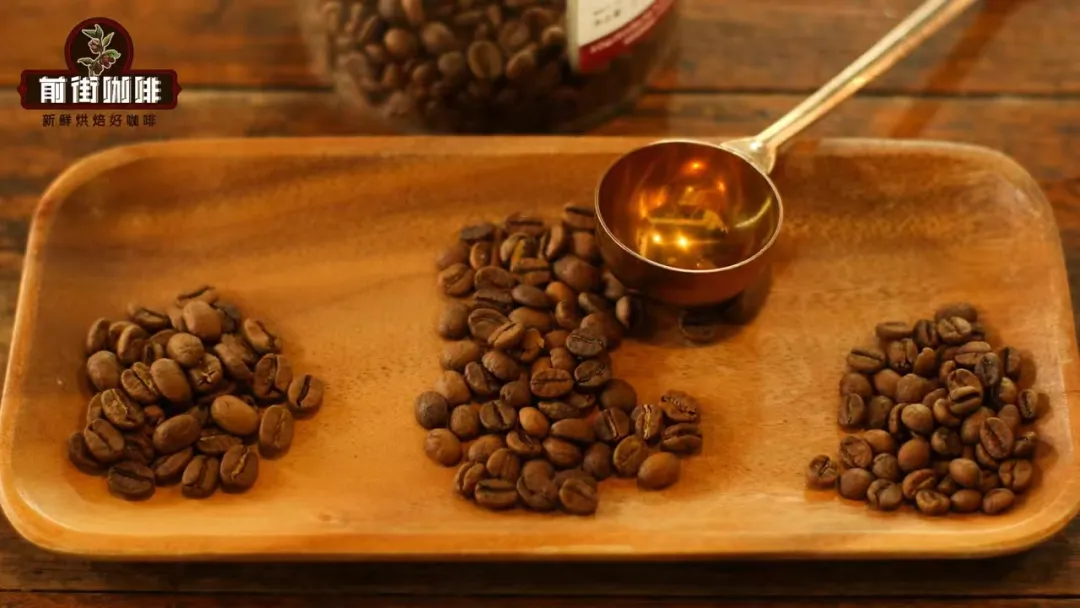
First, what is single-origin coffee? Simply put,single-origin coffee is coffee brewed using beans sourced from a specific, single origin.These beans usually fall under the category of specialty coffee. Whether you choose immersion or filtration, as long as only water and single-origin beans are used during the brewing process, the resulting coffee can be classified as single-origin. This definition emphasizes the origin characteristics of the beans, rather than the brewing method.

Many people mistakenly think that single-origin coffee is the same as pour over, mainly because in real-life experiences, single-origin beans are often presented via pour over to highlight their unique regional flavors. However, single-origin beans can actually be brewed using other methods as well—such as French press, AeroPress, or even siphon pots—as long as no beans from other origins are mixed in, they still meet the definition of single-origin.
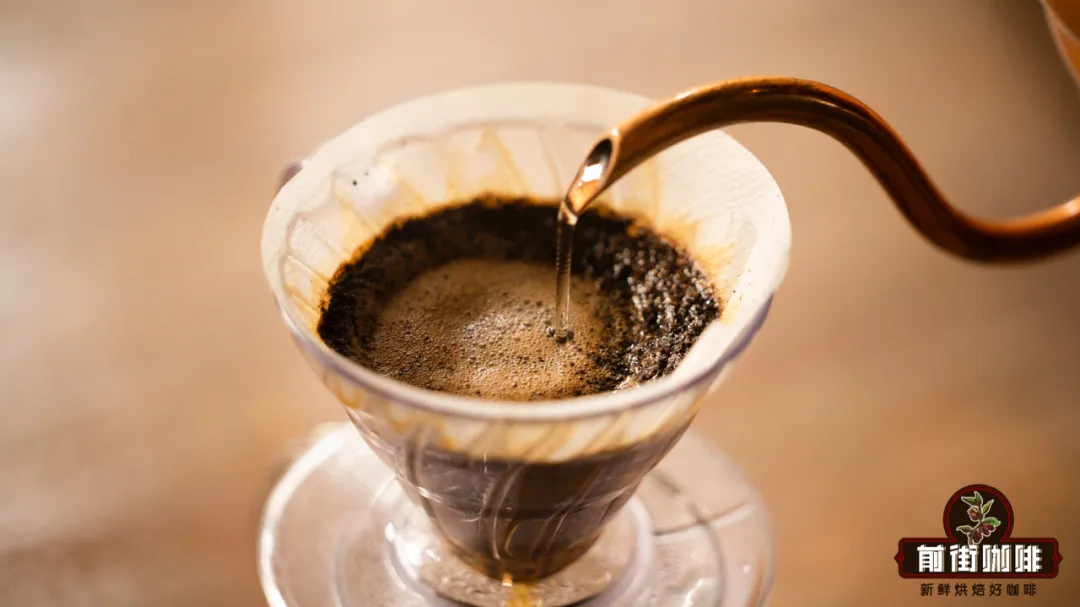
Pour over coffee, on the other hand, focuses on the brewing technique, with its core beingthe use of manual pouring to extract flavor compounds from coffee grounds through paper or metal filters.This method emphasizes temperature control, water flow rate, and pouring angle, allowing the brewer to more precisely manage extraction time and concentration, thereby influencing the final taste and flavor profile.
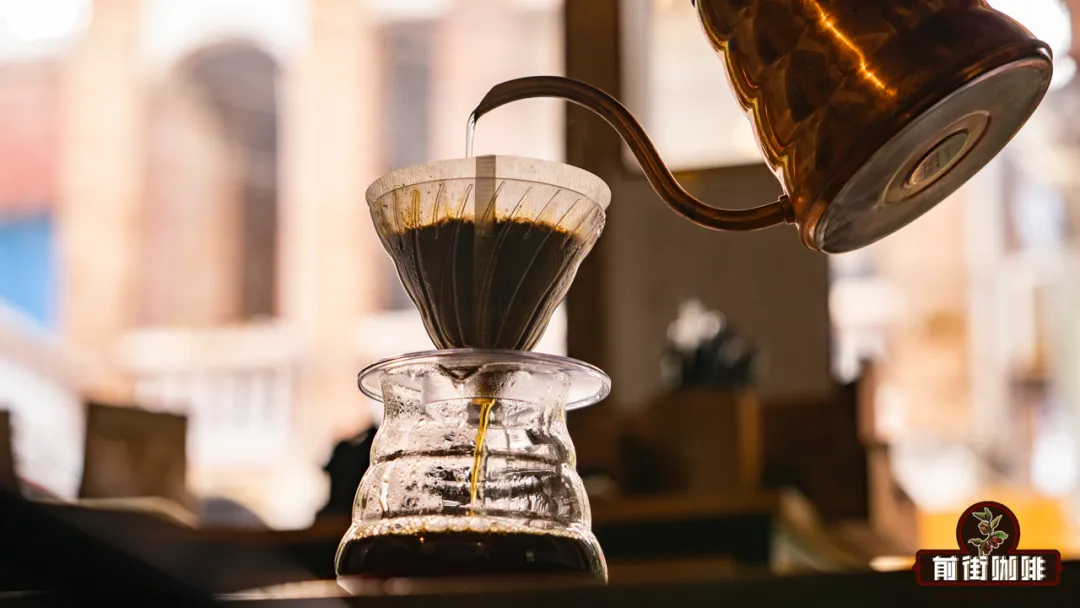
So why do people easily confuse single-origin with pour over? One reason is that many specialty cafés promote single-origin beans by using pour over as the standard brewing demonstration, naturally leading consumers to associate the two. Additionally, pour over can delicately showcase the origin characteristics of single-origin beans—for example, the citrus notes of Ethiopian beans or the nutty aroma of Colombian beans—this method of flavor expression further deepens the impression that “single-origin equals pour over.”
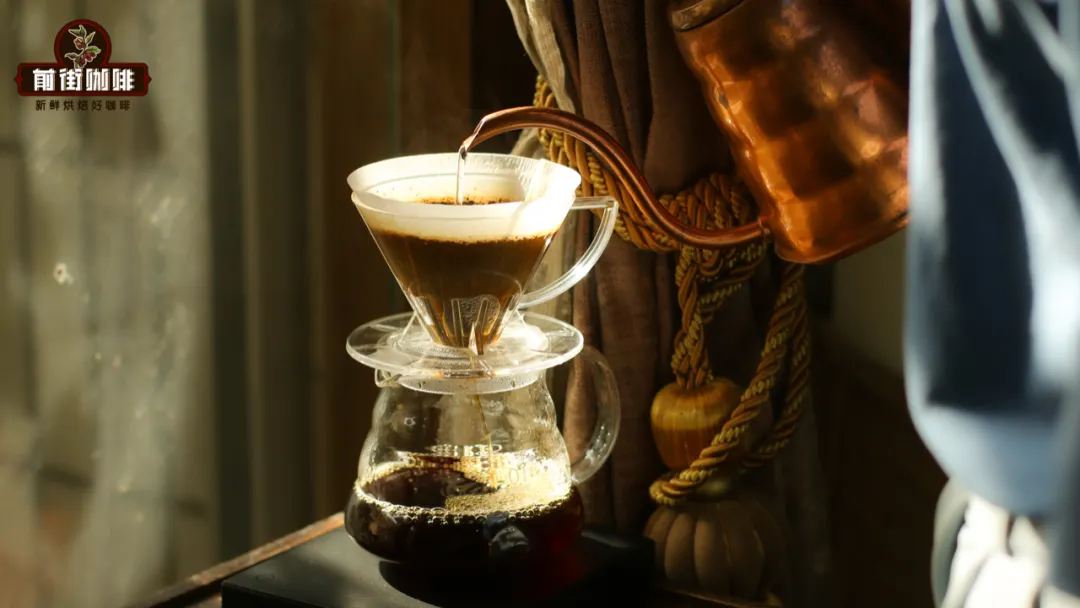
If you want to try pour over brewing single-origin coffee yourself, it’s recommended to understand a few key parameters:Water temperature is generally controlled between 90–96°C, grind size ranges from medium-fine to medium-coarse (around the size of white sugar granules), and the brewing time is suggested to be around 2–3 minutes.Additionally, you can use techniques such as center-spiral or pulse pouring, which help achieve even extraction and avoid over-extraction or under-extraction.
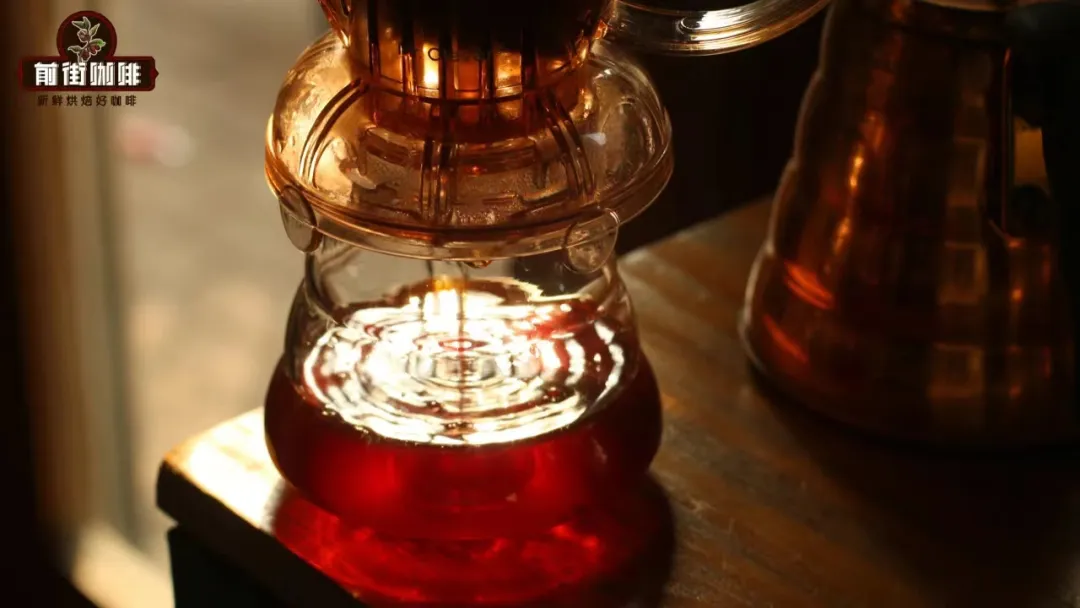
In summary, single-origin coffee and pour over coffee belong to different dimensions: the former focuses on the origin of the beans, while the latter emphasizes the technique and process of brewing. Understanding this difference enables you to make more suitable choices when selecting coffee beans or attempting to brew yourself, and to better appreciate the unique terroir characteristics behind each bean.
The above content is compiled by CoffeeHunters, a coffee news website.


