








Introduction:Struggling to make a café-quality rich latte at home? Common issues include coffee that’s too bitter, milk flavor overpowering the coffee, or a lack of complexity. This article delves into the key elements of a great hot latte—from tips on selecting coffee beans and milk to the proper brewing and blending techniques—to help you master professional-level latte making and easily craft a perfectly balanced, sweet, and lingering cup.
Many coffee enthusiasts often encounter less-than-ideal flavors when making lattes at home—the coffee may be overly bitter or astringent, or the milk might dominate, masking the coffee’s inherent character, making it hard to achieve that rich, well-balanced sweetness found in cafés. In truth, the secret to a velvety, flavorful, and well-rounded hot latte lies in the selection of quality ingredients and attention to detail during preparation. Next, we’ll start with selecting the best milk and coffee beans, and gradually guide you on how to recreate a professional-grade delicious latte at home.

Based on feedback from many home baristas, common issues with homemade lattes fall into two main categories: either the brewed coffee has noticeable bitterness and astringency, or the proportion or temperature of the milk is off, causing the milk flavor to overshadow the unique characteristics of the coffee. Therefore, to make a sweet, rich, and well-balanced hot latte, the first step is to focus on ingredient selection.
When it comes to ingredient selection, the variety of coffee beans, roast level, and freshness all directly affect the final flavor profile.It’s recommended to choose medium to dark roasted blends or single-origin beans.These types of beans typically offer a rich profile of caramel, nutty, and chocolate notes, complementing milk well and bringing out an appropriate level of sweetness. If you prefer fruity or floral notes, you can opt for medium to light roasted single-origin beans, but be aware that their compatibility with milk may be lower, requiring more precise control over extraction and milk foam ratios.

As for milk selection, whole milk is the top choice for making lattes.The fat content of whole milk generally ranges between 3.2% and 4%, providing a silky texture and rich foam structure, resulting in a denser and smoother latte. If you’re aiming for fewer calories, low-fat milk can also be used, but be mindful that the foam stability may be poorer, requiring more careful control over frothing time and technique. Additionally, the freshness of the milk is extremely important—opt for milk that was squeezed on the same day or the day before for a more natural flavor and pronounced aroma.

Before diving into the actual brewing process, understanding basic extraction parameters is also crucial.It’s generally recommended to use medium-fine ground coffee.The grind size should be similar to that of fine sugar, which helps achieve a moderate flow rate and balanced flavor during extraction. The water temperature should be controlled between 90°C and 93°C; too high may extract excessive bitter substances, while too low may lead to under-extraction and a weak flavor. The coffee-to-water ratio is advised to be set between 1:15 and 1:16—that is, using 150 to 160 milliliters of water for every 10 grams of coffee grounds, achieving a suitable concentration and flavor expression.
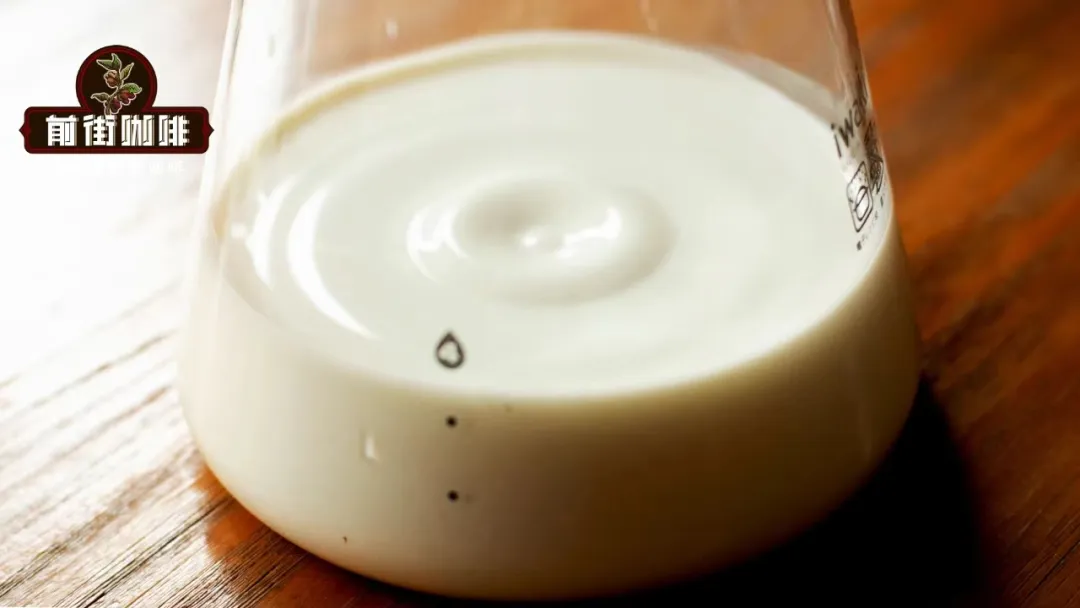
During the extraction process, it’s recommended to adopt a segmented extraction method: first inject a small amount of hot water to wet the coffee grounds, allowing the coffee particles to fully bloom (commonly known as “blooming”), for about 30 seconds. Then continue to slowly pour hot water, maintaining a stable flow and pressure, with a total extraction time advised to be between 25 and 30 seconds. This effectively extracts the sweet compounds in the coffee while avoiding the release of excessive bitter components.
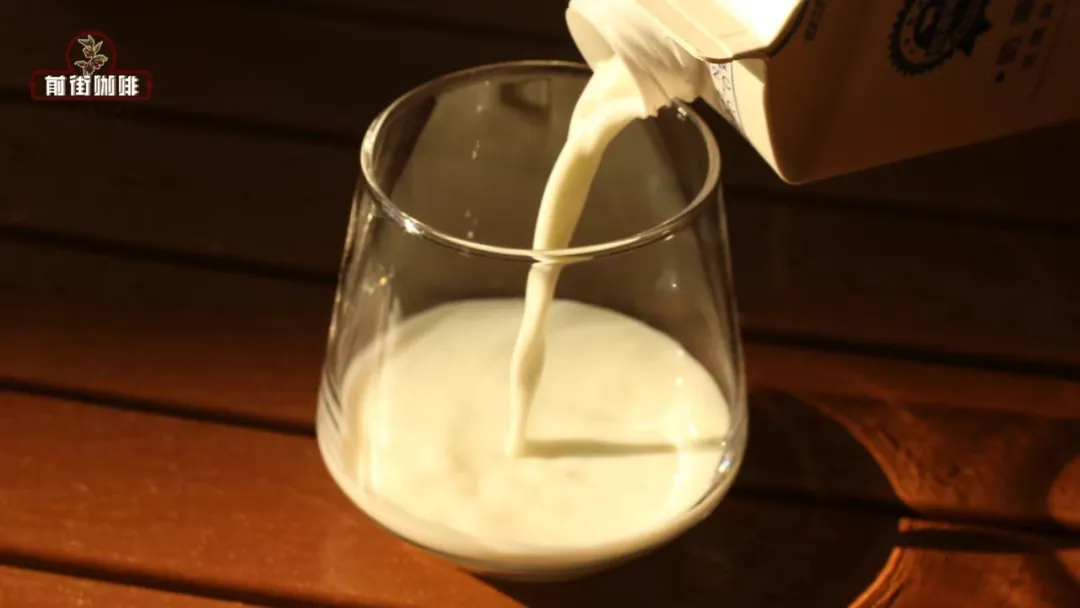
Next comes the milk frothing and blending step. When using a milk frother or manual frother, heat the milk to around 60°C to 65°C; this temperature range preserves the milk’s sweetness while ensuring the foam is fine and stable.The ideal milk foam should have a fine and dense texture, without large bubbles.This allows it to blend evenly with the coffee when poured, creating a silky mouthfeel. When frothing, insert the steam wand about 1 centimeter below the surface of the milk, maintaining the right angle and distance to evenly incorporate air into the milk, forming fine microfoam.

The final blending step is key to achieving a balanced latte flavor. After pouring the brewed coffee into the cup, slowly and steadily pour the milk foam into the coffee, using a spoon to guide the foam flow if needed, allowing the milk and coffee to naturally integrate.The ideal latte ratio is 1/3 coffee, 2/3 milk, and a suitable amount of foam.This combination delivers a rich layered experience while keeping the overall flavor harmonious. When pouring the milk, you can try creating latte art patterns such as hearts or leaves—not only adding visual appeal but also enhancing the enjoyment of drinking.

In summary, to make a rich, sweet, and well-balanced hot latte at home, the key lies in carefully selecting suitable coffee beans and whole milk, mastering the correct extraction parameters and milk frothing techniques, and paying attention to proportions and details during blending. With continuous practice and adjustments, you too can easily recreate a café-quality delicious latte, savoring the perfect harmony of richness and sweetness in every sip.
The above content is compiled by CoffeeHunters, a coffee news website.


