







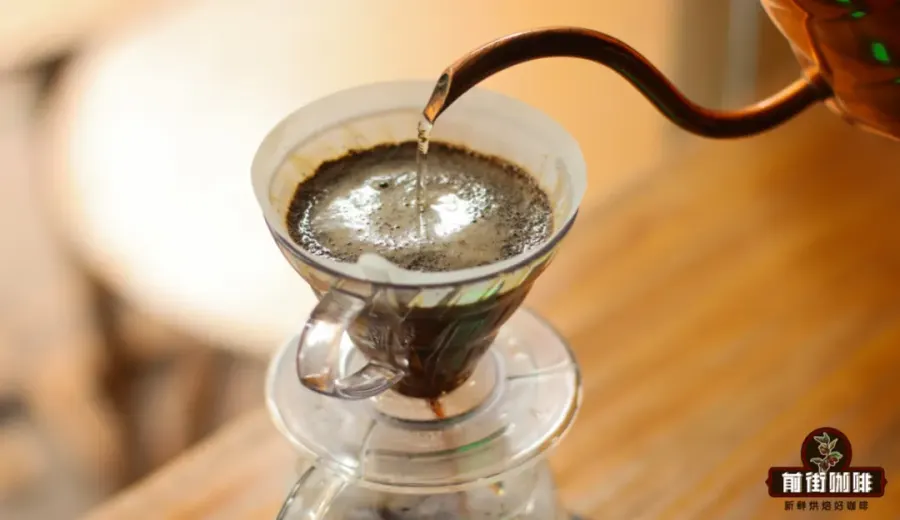
Introduction:Many pour over coffee enthusiasts have encountered this: slightly adjusting the coffee dose can noticeably alter the flavor. In fact, this is often closely related to the filter’s optimal dose range and brewing method. This article delves into the ideal dose ranges for the 01 and 02 filters, explores how both overdosing and underdosing affect extraction uniformity and flavor, and offers practical tips—such as grind adjustment, water temperature control, and pouring strategies—to tackle the common challenge of using small filters with large doses. These methods will help you brew rich, well-layered coffee the right way.
Many pour over aficionados have had similar experiences: just adding a bit more coffee leads to a significant drop in flavor quality, or even noticeable off-notes. A common reason behind this is that the dose exceeds the stable processing capacity of the current filter, yet the brewing technique isn’t adjusted accordingly, resulting in uneven or over-extracted coffee.
In this article, we focus on two commonly used filter models—the 01 and 02—and analyze their respective suitable dose ranges, as well as how changes in dose affect water flow rate, extraction efficiency, and final flavor expression. Additionally, for those who only have small filters but want to brew larger doses (e.g., 25 grams or more), we provide a comprehensive adjustment plan covering grind size, water temperature, and pouring method. This ensures you can still achieve balanced and layered coffee even when using low-capacity filters.
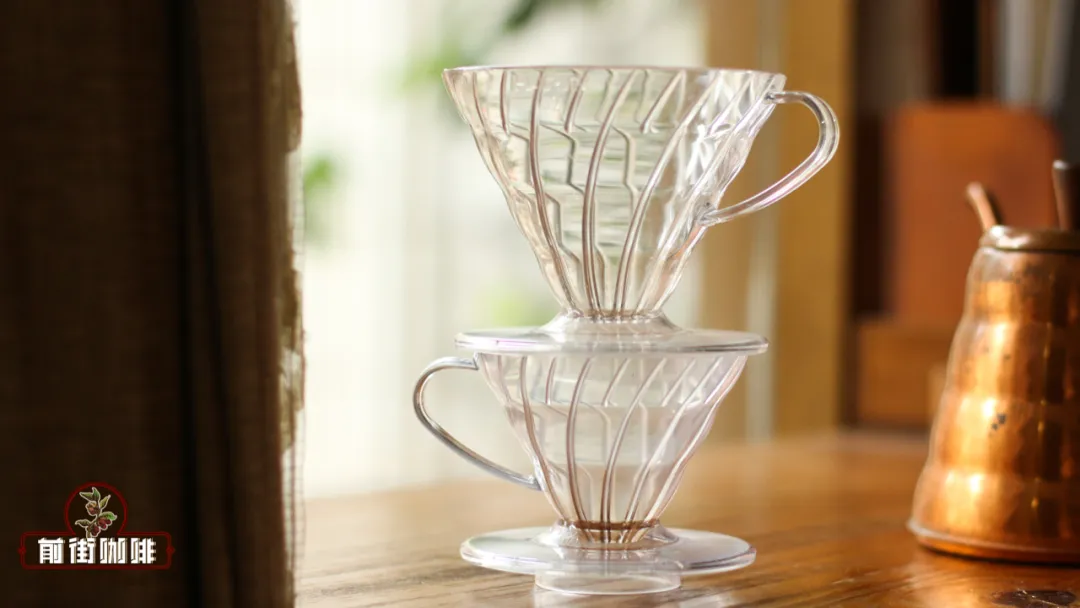
Why does a slight change in dose lead to such a big difference in taste? The key lies in the filter’s design capacity and coffee bed structure. The numbers 01 and 02 actually represent the volume class of the filters—01 is typically a small filter for 1–2 servings, suitable for single-cup brewing; 02 is a medium-to-large filter for 3–4 servings, capable of holding more coffee and water.
Generally, the recommended coffee dose for the 01 filter is 13–20 grams, with 15–17 grams considered the sweet spot that balances extraction efficiency and flavor harmony. Exceeding this range, especially going over 20 grams, can easily lead to poor water flow or over-extraction due to the limited space in the filter.

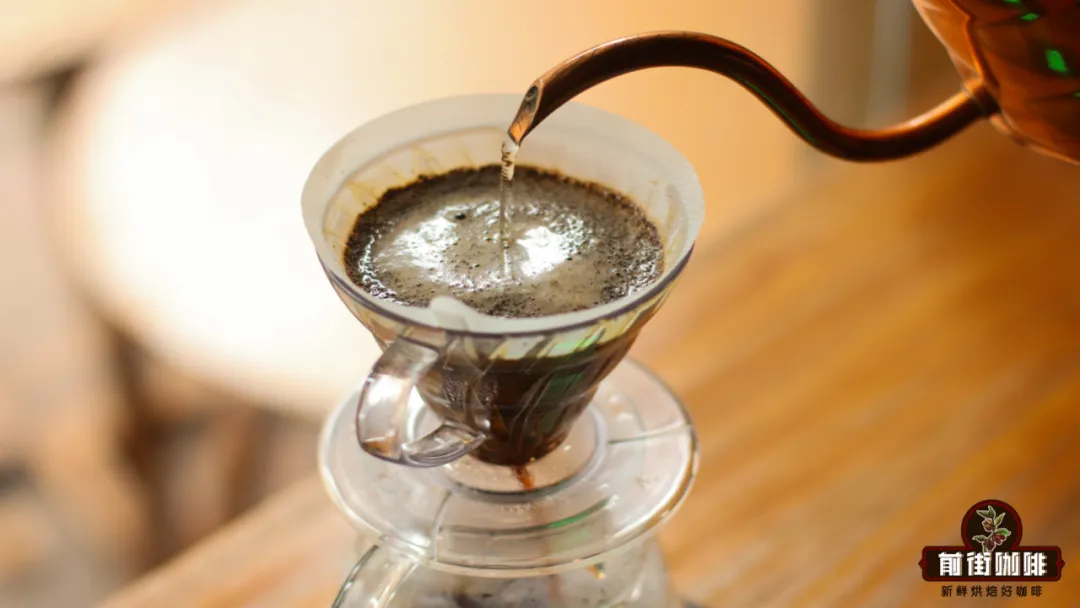
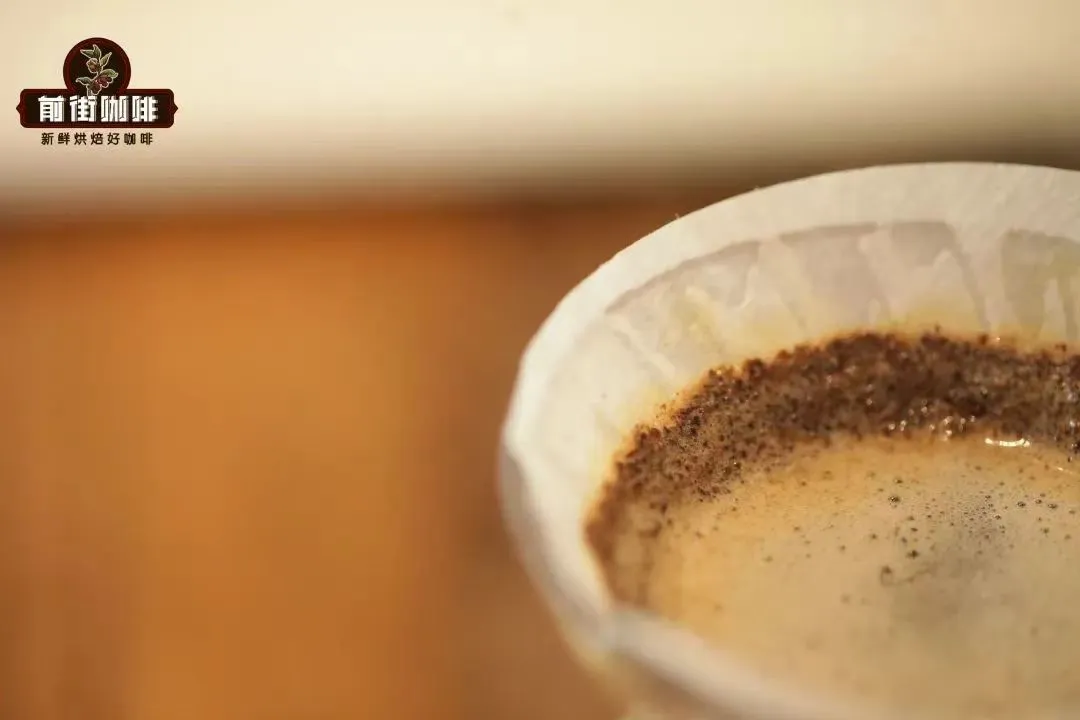
During normal brewing, after hot water is poured in, the surface coffee grounds gradually move outward toward the filter walls due to buoyancy and water pressure, eventually forming what is called a “coffee wall” along the cup’s inner edge. This structure allows the hot water to penetrate the coffee bed more evenly, preventing over-extraction in the center or under-extraction at the edges.
However, if the dose is too low, a stable coffee wall may not form inside the filter, and some water might take a “shortcut” through gaps between the coffee bed and the filter paper (known as channeling), causing some coffee grounds to be under-soaked and affecting overall flavor consistency. Conversely, if the dose is too high, although a coffee wall may still form along the walls, the central part of the coffee bed becomes unusually thick. The water has to pass through more coffee grounds before dripping, which not only extends the brewing time but also increases the risk of over-extraction—especially when the filter’s capacity is limited and the total poured water volume can’t be increased. In such cases, the cumulative time from multiple pours exacerbates the issue.
Some readers may ask: “Do I absolutely need to switch to a larger filter if I want to brew a large dose well?” The answer is: not necessarily. If the dose is kept around 20 grams, the 01 filter can still do the job, as it is designed to accommodate doses within the 13–20 gram range. But when the dose exceeds 20 grams, switching to a medium-to-large filter like the 02 is a better option if possible. If you don’t have a larger filter on hand, you can still optimize extraction by adjusting grind size, water temperature, and pouring technique.
In practice, if you insist on using the 01 filter to brew around 25 grams of coffee, it’s recommended to adopt a “coarse grind + fast flow” strategy. The principle is simple: increasing the dose makes the coffee bed denser, increasing resistance to water penetration. By using a coarser grind, you increase the gaps between coffee particles, speeding up water flow and avoiding excessive prolongation of brewing time.
The specific adjustment doesn’t need to be drastic. Taking a commonly used medium-light roasted bean (such as a popular café recipe) as an example, if you originally use an Ek43 grinder at setting 10 (approximately 80% extraction through a #20 sieve, with fine sugar-like particle size), and you’re brewing 25 grams of coffee, you can slightly adjust the grind to setting 10.5. At this setting, the extraction rate is about 75%, with particle size between fine and coarse sugar. After adjustment, observe the flow rate and flavor—if the flow returns to normal and the taste is balanced, you can stick with these parameters. If the flow is still too fast, consider slightly increasing the water temperature (suggested +1 to 2°C) to compensate for extraction efficiency and avoid under-extracted sourness or thinness.
Water temperature adjustments should be flexible based on actual grind coarseness and extraction time. It’s also recommended to use a slightly larger pouring stream to evenly distribute the coffee grounds along the filter wall, helping to form a stable coffee wall structure and further improving extraction uniformity. With this comprehensive adjustment approach, you can still brew flavorful, well-layered coffee even when using a small filter with a large dose.
The above content is compiled by CoffeeHunters, a coffee news website.


