







Introduction:The U.S. Federal Reserve has cut interest rates for the first time in four years. A weakening dollar may stimulate demand for coffee imports, but drought in Brazil leading to revised lower production and the upcoming implementation of the EU’s deforestation-free regulation have introduced multiple variables into global coffee trade. This article delves into how changes in interest rates, regional climate, and policy regulations interact to influence coffee prices and supply, helping traders and consumers stay on top of market trends.
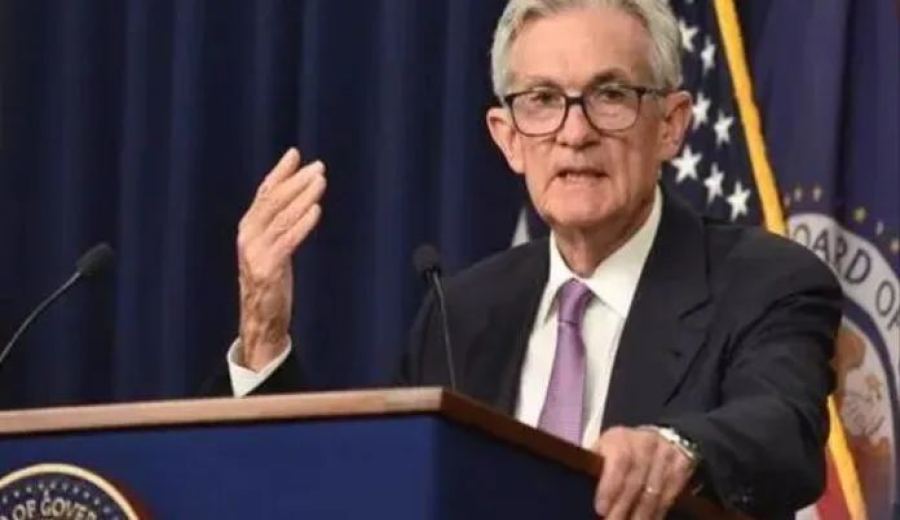
On September 18, 2024, the Federal Reserve announced a 50-basis-point reduction in the target range for the federal funds rate, bringing it to between 4.75% and 5.00%. This marks the first such move since March 2020 and signals a shift from tight to loose monetary policy in the United States. The market generally believes this will help reduce global capital costs and stimulate economic activity, creating a ripple effect on agricultural trade, including coffee.
Typically, Federal Reserve rate cuts occur during periods of economic pressure, aiming to boost market confidence through accommodative monetary policy. This rate cut is likely not only to enhance investors’ risk appetite but also to channel funds toward consumer sectors such as food and beverages. For the coffee industry, lower rates can reduce financing barriers for growers and processors—especially small and medium-sized farms that rely on credit—potentially easing their financial strain.
Another key impact comes from currency exchange rates. Rate cuts often accompany a weaker dollar, and international coffee trading is primarily conducted in U.S. dollars. For exporting countries, a depreciating dollar means lower procurement costs for foreign buyers, which can enhance export competitiveness. For major importing nations, it could reduce purchasing costs and further stimulate market demand.
Interestingly, on the same day the Federal Reserve announced its rate cut, Brazil’s central bank made the opposite decision: raising its benchmark interest rate by 0.25 basis points, from 10.5% to 10.75%. This marks the first rate hike since President Lula took office in 2023. The primary reason is Brazil’s high inflationary pressure, and the central bank aims to stabilize the currency and attract foreign investment. However, higher rates directly increase borrowing costs, posing challenges for coffee growers and processors who depend on working capital.
An even more pressing issue stems from the climate. Brazil has recently experienced widespread drought, affecting 60% of the country’s land area, with multiple major coffee-producing regions facing heightened wildfire risks. There are already warning signs of reduced output for the new coffee season. According to data from Brazil’s Institute of Geography and Statistics (IBGE), Brazil’s 2024 coffee production is estimated at 59.7 million bags (60 kg per bag), a downward revision of 1.6% from previous forecasts. Although planted area has increased, drought has led to lower yields per unit and generally smaller bean sizes.
The double whammy of reduced production and rising production costs could further drive up coffee prices. However, the European Union’s upcoming Deforestation-Free Regulation (EUDR), set to take effect by year-end, has unexpectedly boosted short-term demand. To comply with the new rules, EU coffee traders are accelerating purchases to build sufficient inventories ahead of the regulation’s enforcement, resulting in strong recent export figures for Brazil. Data from the Brazilian Coffee Exporters Association (Cecafé) shows that in August 2024, Brazil exported 3.733 million bags of coffee, a monthly record, generating export revenue of $955.6 million. From January to August 2024, cumulative exports reached 31.892 million bags, marking a year-on-year increase of 39.2%, with the United States being the largest market—importing 5.066 million bags in the same period, up 30.1% year-on-year.
Overall, while the Federal Reserve’s rate cut may lower global capital costs and the value of the dollar—potentially benefiting both coffee importing and exporting countries—the drought in Brazil, its interest rate hikes, and the imminent implementation of the EU’s EUDR regulation have introduced significant uncertainty into the global coffee supply chain. Issues such as shipping delays, container shortages, and extreme weather remain unresolved, and coffee prices are expected to remain volatile at high levels, at least through the end of 2024.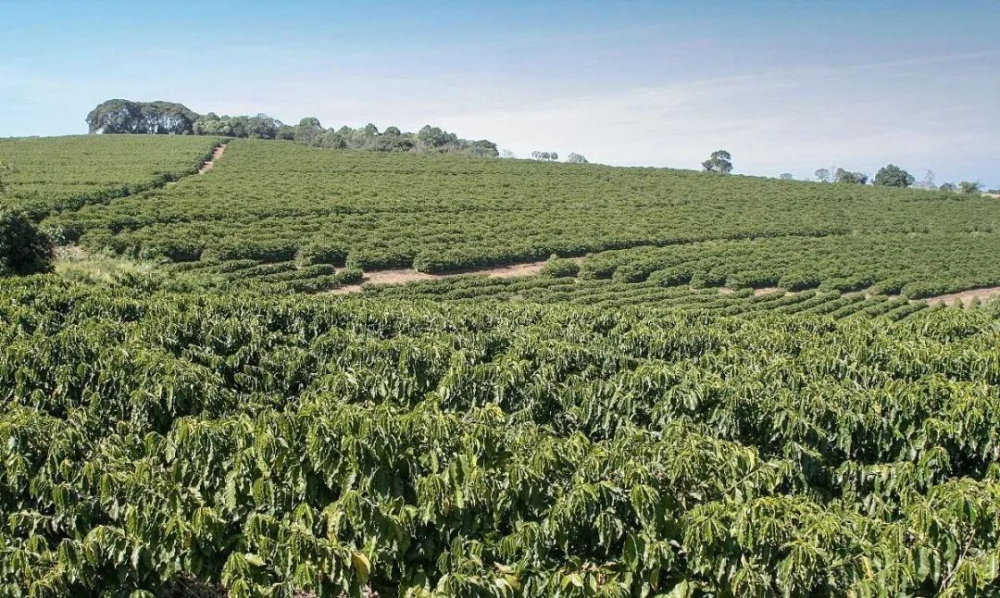
The above content is compiled by CoffeeHunters, a coffee news website.


