







Introduction:Visit Hacienda San Isidro Labrador in the Tarrazú region of Costa Rica to delve into their renowned Geisha coffee beans processed with the honey method. This article provides a comprehensive look at the estate’s history, microclimate conditions, and processing details, fully analyzing these Geisha beans that boast flavors of cherry, yellow peach, and oolong tea. It also includes practical Hario v60 three-stage pour over recommendations to help you easily extract a balanced profile of bright acidity and rich sweetness.
Located in the Santa María de Dota mountains of Costa Rica’s Tarrazú region lies a micro estate famed for its specialty coffee—Hacienda San Isidro Labrador. This approximately six-hectare coffee plantation sits at an altitude of around 1,950 meters, where significant day-night temperature variations, distinct dry and wet seasons, and the nourishing influence of warm, moist Pacific air currents provide an ideal growing environment for the Geisha variety.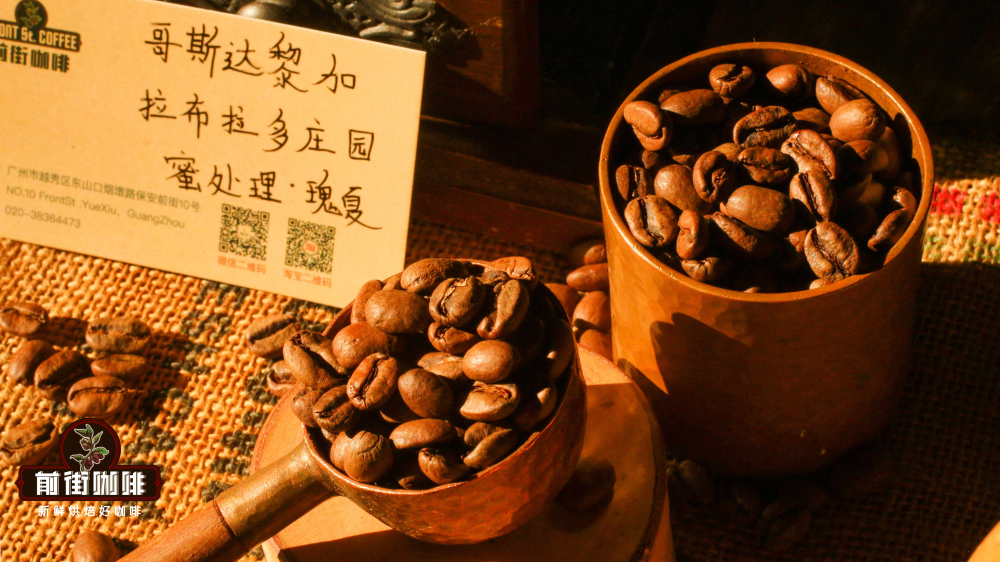
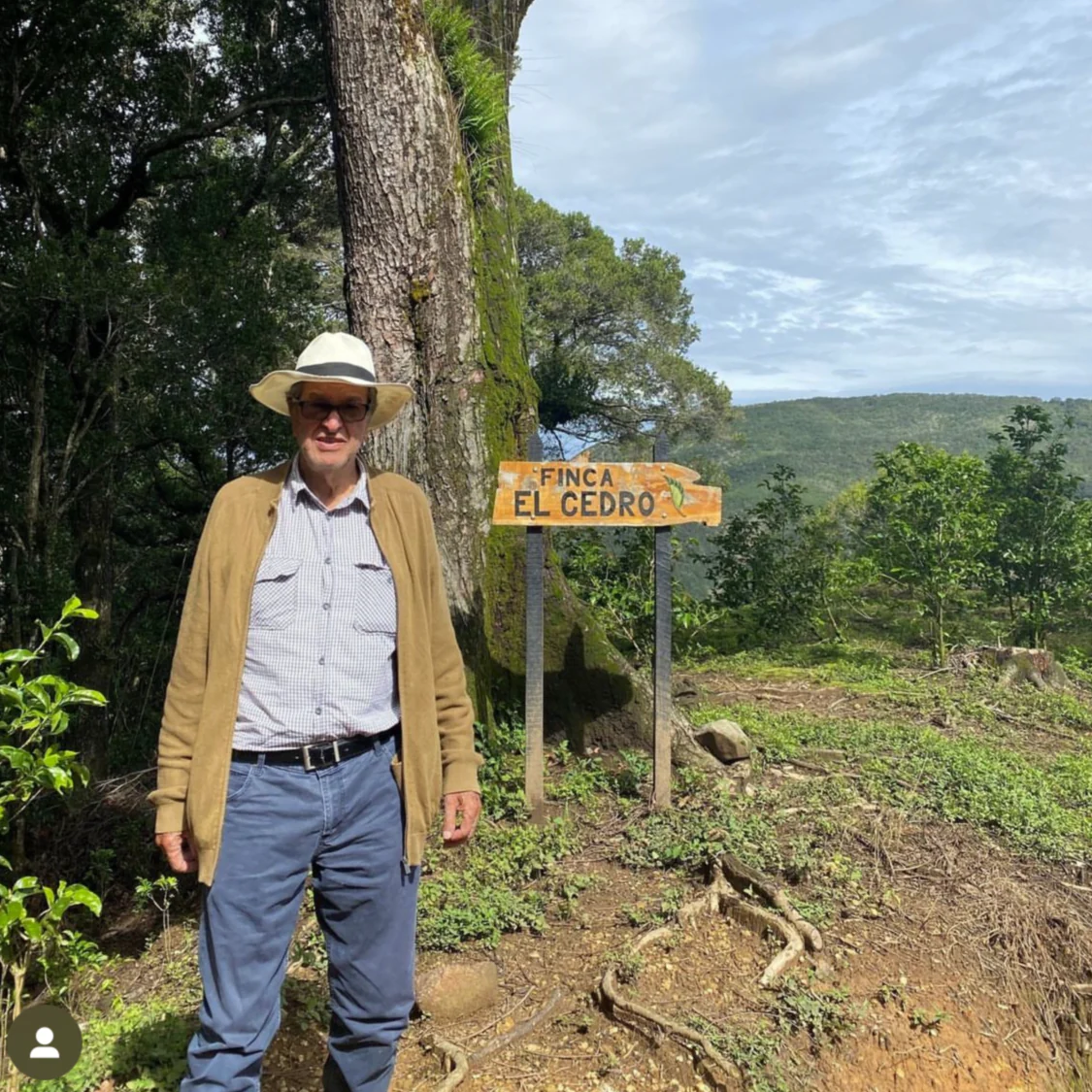
The estate is jointly managed by the third-generation coffee farmer Johel Monge Naranjo and his son Matias Monge. In his youth, Johel transitioned to become a land surveying engineer before returning to the coffee industry after retirement, pouring his lifelong passion for cultivation into this land. Under his leadership, the estate has repeatedly stood out in the Costa Rica Cup of Excellence (COE) auctions, including championship wins in 2017 and 2019, as well as taking top honors in 2023 alongside neighboring estates.
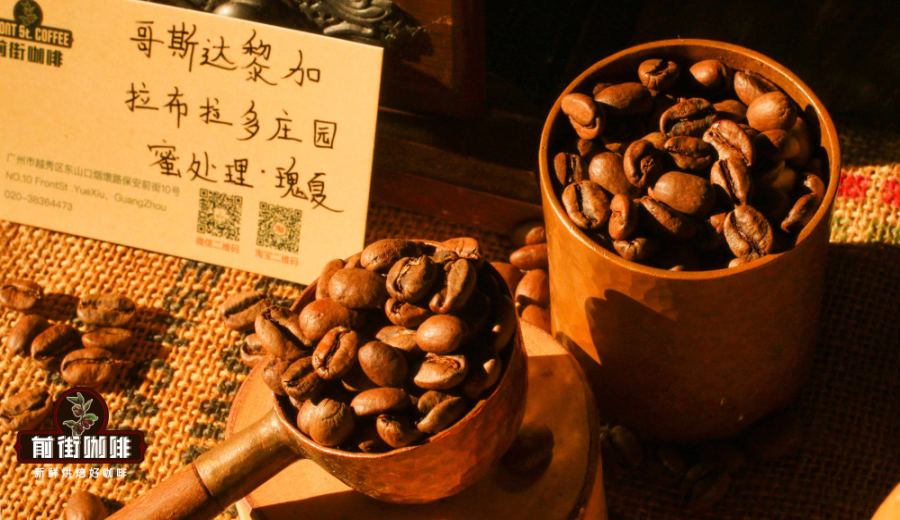
The coffee beans introduced here are a recent release from the estate: honey processed Geisha. Carefully selected coffee cherries are treated using a unique honey processing technique that retains a rich layer of mucilage, imparting the coffee with a deep sweetness and intense tropical fruit aroma. In cupping, these beans exhibit bright fruit notes of cherry, orange, and yellow peach, complemented by the elegant floral scent reminiscent of oolong tea. The cup feels like drinking fresh juice, with distinct layers and a clean, lingering finish.
Honey processing is one of the classic techniques in Costa Rica’s coffee regions, with the key lying in controlling the degree of mucilage retention and the stability of the drying process. First, harvested coffee cherries are depulped using a pulper to remove the outer skin and some of the pulp, leaving a sticky, sugar-rich mucilage layer coating the beans. These mucilage-covered beans are then evenly spread on suspended mesh nets and slowly dried under ample sunlight with regular turning to prevent mold and promote flavor concentration. The entire process takes several days until the moisture content reaches the desired range, after which the beans can be stored and roasted.
To fully showcase the juicy and fruity character of this honey processed Geisha, a barista from a specialty café recommends a medium-light roast. This roast level preserves the vibrant acidity and delicate mouthfeel unique to the Geisha variety while making the sweet layers brought by the honey process even more pronounced. After two days of resting, this coffee performs exceptionally well in cupping: during the dry aroma stage, it emits intense rose and cranberry notes, along with fruitiness of yellow peach and grape; once hot water is poured, the fresh scents of citrus and honey further unfold, and the cup presents a balanced flavor of cherry, orange, and black tea, with a clean finish that continues to deliver a sweet, fruit-tea-like aftertaste.
For high-altitude, high-density Geisha beans like this, it is recommended to use freshly roasted beans to achieve the best flavor expression. Coffee from this specialty café is shipped within five days of roasting to ensure consumers receive them at the peak of their flavor. If you prefer pour over, you can refer to the following practical Hario v60 extraction parameters to easily recreate the refined taste of this honey processed Geisha.
It is recommended to use 15 grams of coffee grounds, ground to a coarseness similar to fine sugar (approximately 80% passing through a standard #20 sieve), with a 1:15 coffee-to-water ratio and water temperature of 91°C. Use a three-stage pour over method: first, pour 30 grams of water for a 30-second bloom, using a small stream to evenly circle from the center outward to ensure all coffee grounds are uniformly wetted; for the second stage, use a slightly larger stream to pour 120 grams of water, reaching a cumulative 150 grams at around 55 seconds, keeping the water flow vertical and steady to fully extract mid-layer flavors; in the final stage, when the liquid level drops to half, pour 90 grams of water using a small stream in tight circles, achieving a total brew water volume of about 240 grams, with the overall extraction time controlled around 2 minutes and 10 seconds. Once complete, gently swirl the coffee in the server before enjoying this cup of honey processed Geisha full of fruity and floral notes.
By understanding the farming story and processing methods of Hacienda San Isidro Labrador, you not only get to taste a uniquely flavored coffee but also experience the third-generation coffee farmer’s dedication to quality and innovation. Whether you’re new to pour over or a seasoned enthusiast, this honey processed Geisha will add an unforgettable tropical touch to your coffee experience.
The above content is compiled by CoffeeHunters, a coffee news website.


