







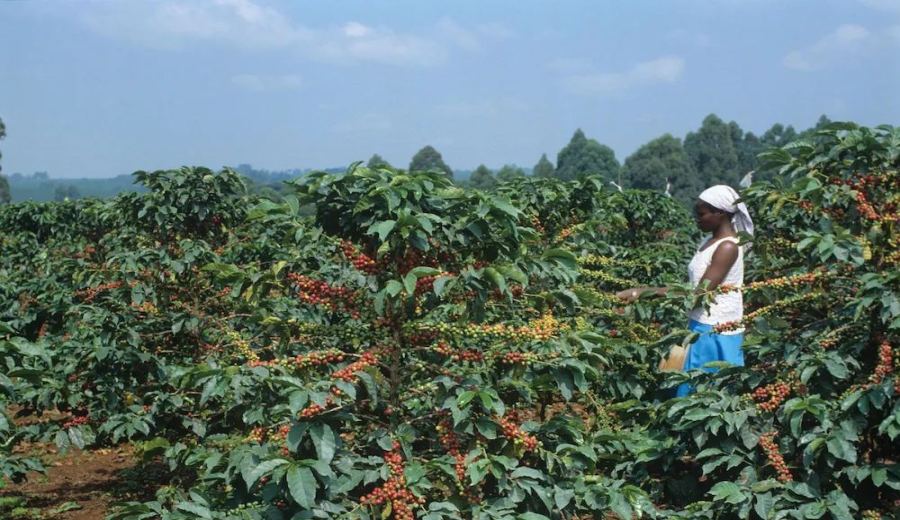
Introduction:Kenyan coffee is renowned worldwide for its bright and intense acidity, with its distinctive flavor profile stemming from high-altitude volcanic soils, the SL28 and SL34 varieties, and the unique K72 washed processing method. This article will delve into the three key factors behind the acidity of Kenyan coffee—from geographical environment and variety evolution to the three-stage 72-hour fermentation process—helping you gain a deeper understanding of this richly flavored specialty coffee, as well as an in-depth look at the actual performance of a classic Sidama-region bean.
Kenyan coffee has long been celebrated in the global specialty coffee market for its bold acidity and layered complexity. Compared to neighboring Ethiopian coffee, it offers a more intense cup with a distinct burst of fruit acidity. This unique flavor is shaped by Kenya’s highland volcanic soils, the classic SL28 and SL34 coffee varieties, and the industry-renowned K72 washed processing method.
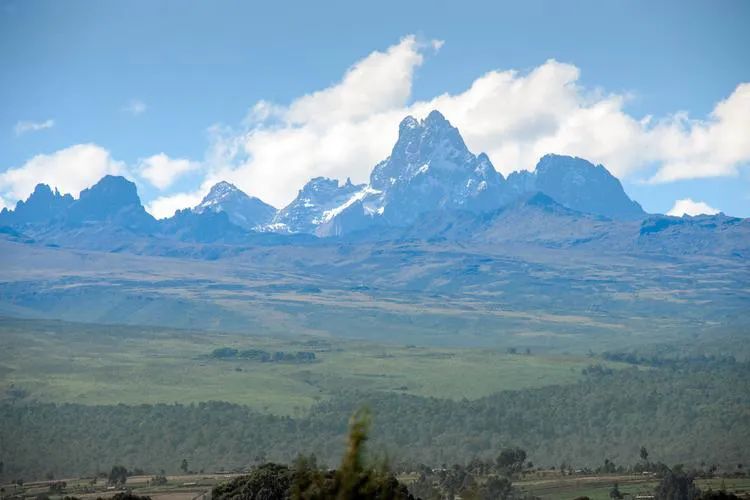
Located on the East African Plateau, most of Kenya lies at elevations above 1,500 meters, particularly as the Eastern Rift Valley runs through the country, creating numerous volcanic terrains. One of the most famous volcanoes is Mount Kenya, an extinct volcano. The volcanic soils left behind are rich in phosphate minerals, providing an excellent nutrient source for coffee plants and contributing to the pronounced fruity acidity and fresh juice-like character of Kenyan coffee.
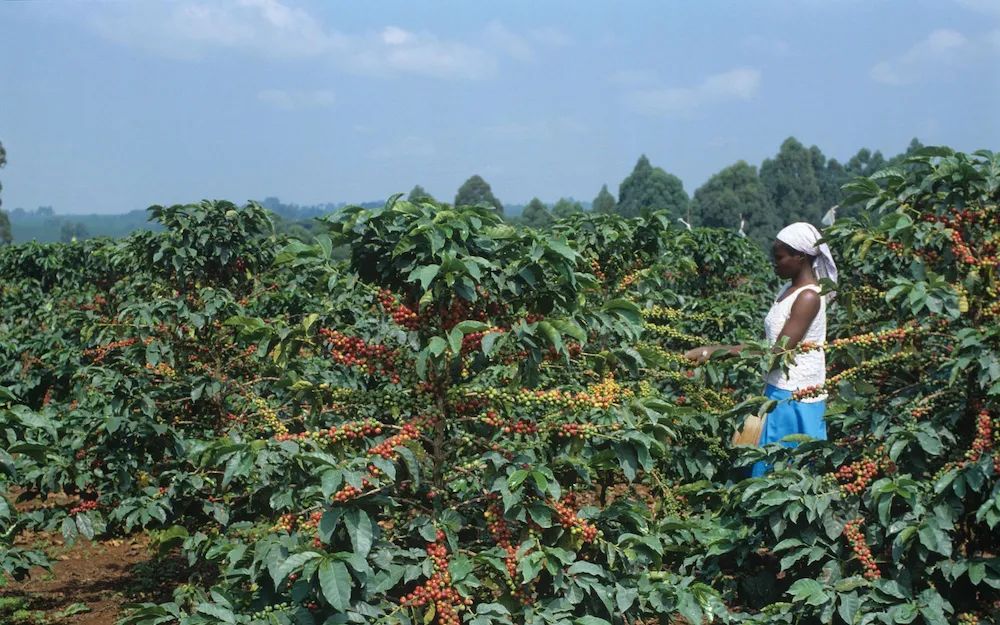
Although Kenya initially planted the Bourbon variety, later attempts to cultivate Kent and the Typica variety of Jamaican Blue Mountain failed to demonstrate ideal commercial or flavor potential. In response, Kenyan authorities commissioned the then Scott Agricultural Laboratory (Scott Laboratory) to screen and develop new varieties. Over a four-year variety testing period, researchers selected 42 promising coffee trees from various regions, rigorously evaluating them based on yield, disease resistance, cup quality, and adaptability, and named them with the lab’s abbreviation “SL” followed by a number. The two standout varieties that emerged were SL28 and SL34.
SL28 was originally discovered in what is now Tanzania (formerly Tanganyika), and genetic analysis shows it is related to the Bourbon variety; whereas SL34 originated from a coffee farm in the Kabete area near Nairobi, Kenya, with a genetic structure closer to Typica. These two varieties perform exceptionally well in mid-to-high altitude environments, not only yielding steadily but also exhibiting extremely rich acidity layers, often characterized by distinct notes of citrus and dark plum.
Although SL28 and SL34 are more susceptible to diseases such as leaf rust and have lower yields compared to later disease-resistant varieties like K7 or Ruiru 11, their unique flavor profiles have led many farmers to continue cultivating them. Today, these two classic varieties can still be found extensively planted across Kenya’s major specialty coffee regions.
In addition to varietal advantages, another hallmark of Kenyan coffee is its washed processing method—especially the renowned K72 process. While typical washed processing limits fermentation to around 24 to 36 hours, Kenya’s K72 technique extends fermentation significantly across three stages, totaling72 hours—hence the name.
Specifically, after harvesting ripe red cherries, farmers first use a floatation machine to remove unripe or defective beans, then depulp the beans and place them in water tanks for the first 24-hour fermentation stage. After fermentation, the attached mucilage is washed off, and the beans are moved to another clean water tank for a second 24-hour fermentation. Finally, they are washed again and undergo a third 24-hour fermentation. The entire process takes place in a low-temperature environment, which helps slow down fermentation while allowing more complex flavor compounds to develop. Only after fermentation is complete are the beans transferred to specially designed steel racks for sun drying.
This three-stage, 72-hour low-temperature fermentation process effectively enhances the clarity of the coffee’s acidity and the purity of its aroma, while preserving sweetness and a juice-like mouthfeel. As a result, Kenyan coffee, when brewed, showcases vibrant acidity reminiscent of cherry tomatoes and dark plums, accompanied by a distinct sugarcane sweetness and a clean, fruity finish.
With the nutrient-rich volcanic soils, the genetic advantages of the SL28 and SL34 varieties, and the unique K72 washed processing technique, Kenyan coffee has firmly established itself as a leading force in the international high-quality specialty coffee market. A Kenyan bean from the Sidama region, meticulously processed by a renowned mill, often demonstrates in cupping a clear balance of acidity and sweetness, a juice-like texture, and unforgettable notes of dark plum and red berries—making it a classic flavor benchmark cherished by coffee enthusiasts and professional tasters alike.
The above content is compiled by CoffeeHunters, a coffee news website.


