







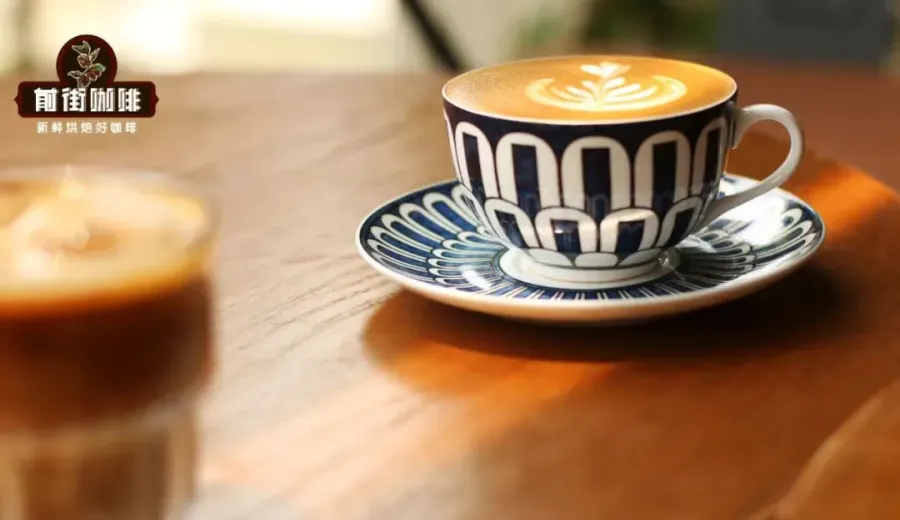
Introduction:Latte art is not just a visual delight but also a key technique that enhances the overall experience of drinking coffee. This article delves into the principles behind latte art, covering everything from milk steaming and foam texture control to drawing techniques for lattes and cappuccinos, providing you with professional baristas' practical tips and operational advice. Whether you’re a beginner or a coffee enthusiast looking to refine your skills, you’ll gain useful knowledge and actionable suggestions on pouring latte art.
Latte art is the most iconic visual element of milk-based coffee. Although it doesn’t directly affect the flavor of the coffee itself, it can significantly enhance the overall drinking experience and aesthetics. Many coffee lovers are first drawn to lattes by the intricate foam designs on the surface of the cup, which then piques their interest in this classic coffee style. This article will detail the foundational principles of latte art and break down the complete process from milk preparation to pattern drawing, while also sharing practical latte art techniques for lattes and cappuccinos.
Many coffee professionals often mention that although latte art does not alter the taste of coffee, its minimalist yet artistic presentation adds a unique visual charm to milk-based coffee—what’s known as the “emotional value.” Even those who don’t drink coffee often can easily associate the beautiful patterns in the cup with a positive impression of the coffee’s flavor. For this reason, lattes have become so popular, largely thanks to the added appeal of latte art. Nowadays, no matter what type of milk coffee it is, as long as there is suitable foam, baristas will showcase their latte art skills.
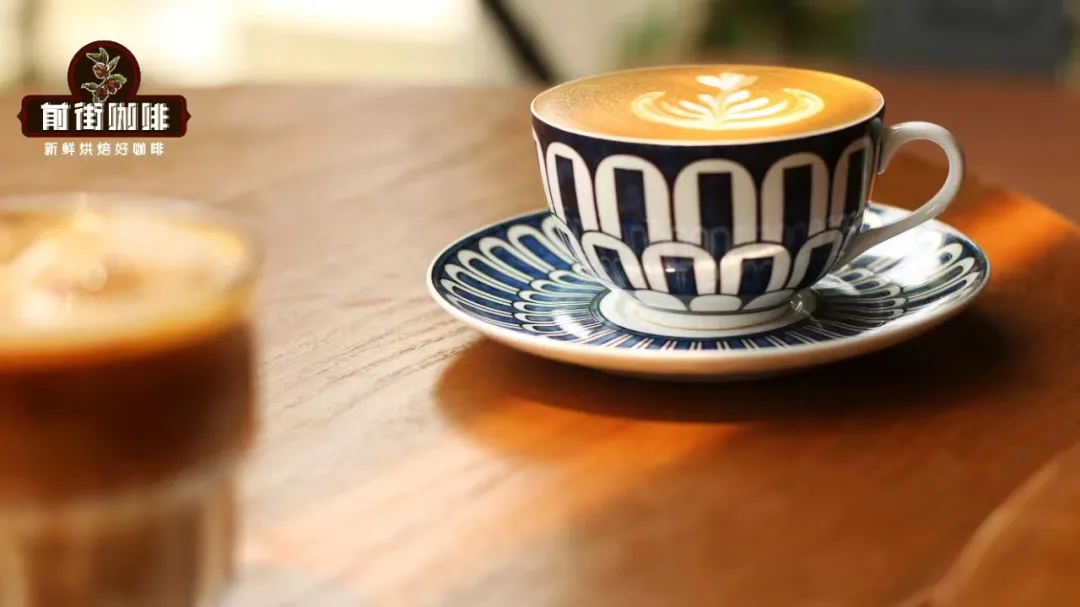
To create high-quality latte art, mastering the technique of steaming milk is essential. The ideal milk foam should be fine, smooth, and have the right level of fluidity, allowing stable patterns to form when poured into the coffee. When steaming milk, it’s recommended to use the steam wand to heat the milk to approximately 60–65°C, while paying attention to controlling the pressure and angle of the steam to avoid creating too many large bubbles. The thickness of the foam affects the outcome of the latte art—generally, lattes work better with thinner foam, whereas cappuccinos require slightly thicker foam.
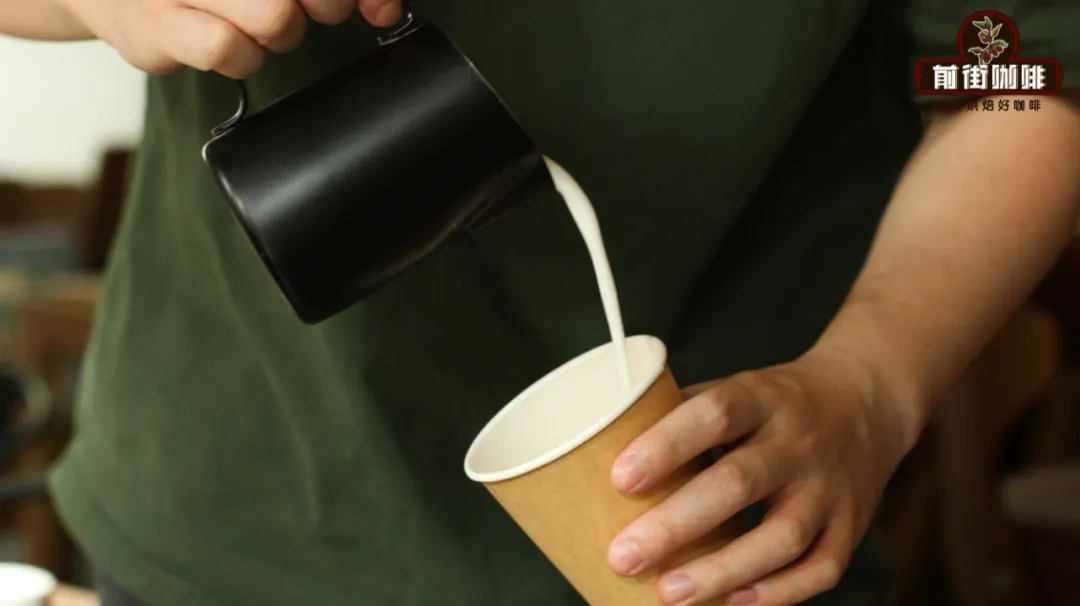
Before pouring latte art, baristas usually mix the espresso and milk foam together to create a uniform coffee base. This step is called "stretching" or more commonly "blending" or "pouring in" (fusion), aiming to integrate the foam and coffee thoroughly to lay the groundwork for subsequent pattern drawing. During blending, it’s recommended to slightly tilt the milk pitcher and pour the foam into the coffee at a steady pace, while maintaining flexible wrist movement.

The actual process of drawing latte art requires some practice and hand feel. Beginners can start with simple patterns, such as hearts or leaf shapes. These basic designs help you get familiar with controlling the milk pitcher and understanding the flow characteristics of the milk foam. While drawing, focus on keeping the distance between the spout and the cup surface consistent, and use slight wrist movements to form the outlines of the patterns.
For lattes, the emphasis of latte art lies in the clarity and fluidity of the patterns. Because the foam in lattes is thinner, the patterns usually turn out more delicate and layered. Cappuccinos, on the other hand, with their thicker foam, are better suited for more three-dimensional effects, such as roses or more complex designs. No matter which pattern you choose, the key lies in the texture of the milk foam and the control of the pouring speed.
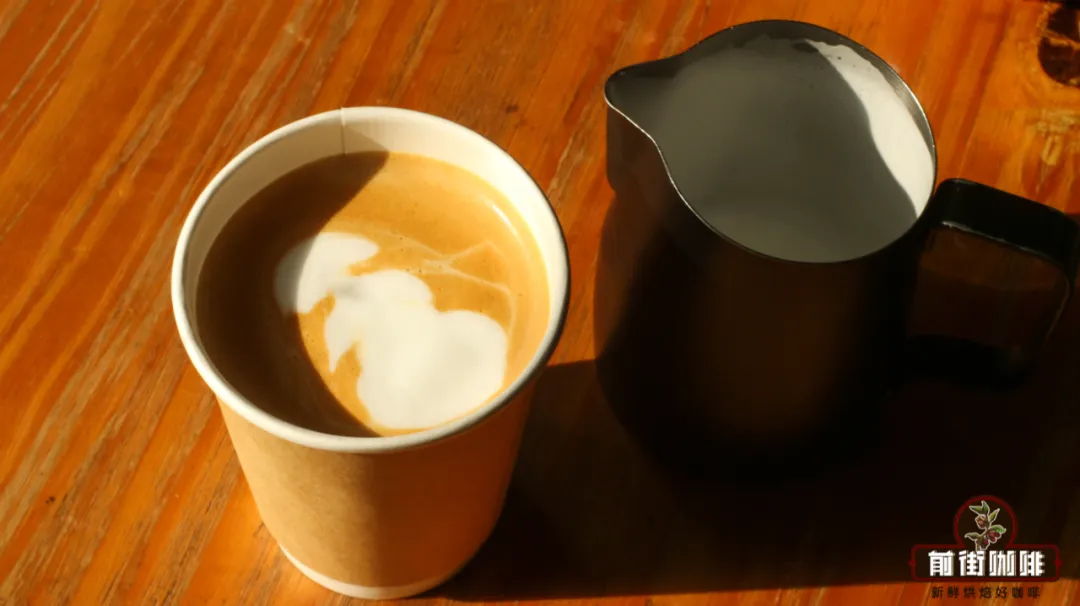
Beyond basic patterns, advanced latte art techniques include multi-layered designs and symmetrical patterns. These techniques require more proficient milk pitcher control and precise handling of the milk foam flow. Baristas typically improve the fineness and creativity of their latte art through repeated practice.
In summary, latte art is not only a professional skill for baristas but also an important aspect that elevates the overall coffee drinking experience. By mastering milk steaming, foam texture control, and pattern drawing techniques, you too can create professional-level latte art at home or in a café. Whether it’s a latte or a cappuccino, exquisite latte art adds an irreplaceable visual charm to your drink.
The above content is compiled by CoffeeHunters, a coffee news website.


