








Introduction:A Chinese enterprise, CKIIG, has received approval from the Ethiopian government to invest $50 million (approximately 6 billion Ethiopian Birr) in developing 20 hectares of land within the Gad Special Economic Zone, with a focus on the coffee processing industry. The project is expected to enhance local processing technology and export competitiveness, but challenges such as nearby armed conflicts, kidnapping incidents, and exchange rate fluctuations still need to be addressed. This article provides an in-depth analysis of the investment details and potential risks.
The Ethiopian Investment Commission (EIC) recently reached a cooperation agreement with the Chinese company Chongqing Kunhuang International Industry Group (abbreviated as CKIIG), signing a subcontractor developer agreement. The plan is to develop a 20-hectare plot of land in the Gad Special Economic Zone, with a total investment of up to $50 million, equivalent to about 6 billion Ethiopian Birr. The proposal has been approved by the EIC Board of Directors and is expected to drive local economic development while strengthening the international competitiveness of the coffee industry.
According to the agreement, CKIIG will focus on areas such as coffee processing, introducing advanced technology and equipment to improve the processing standards and quality of Ethiopian coffee. This move will not only help increase the added value of exported products but also promote local employment and create more economic opportunities for surrounding communities.

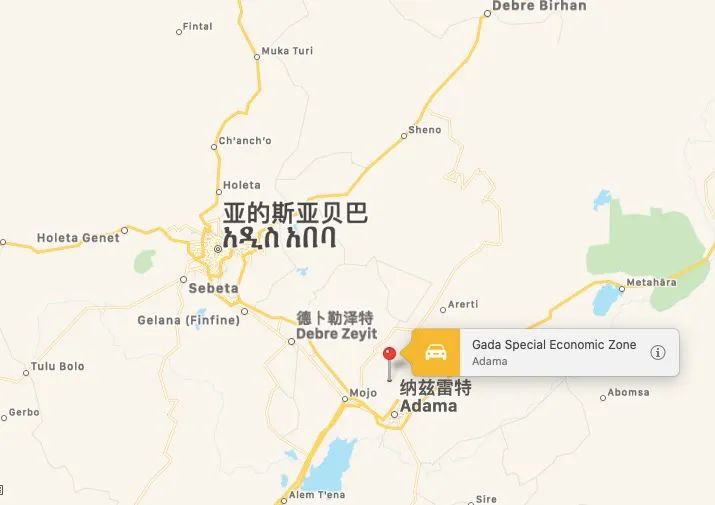
The Gad Special Economic Zone is Ethiopia’s first established special economic zone, located in the Oromia Region, approximately 70 kilometers from the capital Addis Ababa, adjacent to the intersection of the Addis Ababa–Djibouti Railway and a highway. The Lemi Free Trade Zone within the SEZ, jointly developed by China Tiesiju Civil Engineering Group’s subsidiary China Civil Engineering Construction Corporation and the Oromia Regional Government of Ethiopia, aims to create a comprehensive economic zone integrating production, trade, and R&D. The area focuses on industries such as coffee processing, bamboo and wood processing, and machinery equipment manufacturing, combining international management experience with local resource advantages.
The Ethiopian government stated that this Chinese investment partnership will bring much-needed financial and technical support to the country, helping to improve the technical level and production efficiency of coffee processing, thereby enhancing overall coffee quality and increasing its competitiveness in the international market. In addition, the project is expected to create numerous job opportunities, raise local residents’ incomes, and promote import substitution and export earnings.
However, despite the potential benefits of this investment, Ethiopia’s coffee industry currently faces multiple challenges. The foremost issue is security threats. Recently, several regions in the country have seen frequent armed conflicts and kidnapping incidents. For example, in the Amhara Region, clashes between government forces and Fano militants have led to road blockades and severe conflict, significantly impacting the local economic and security environment. Additionally, militants from the Oromo Liberation Army faction “Shene” kidnapped 44 civilians traveling on public transport in and around the town of Assela near the Gad Special Economic Zone, demanding high ransoms from their families, highlighting the still unstable security situation in the area.
Beyond security concerns, Ethiopia has also recently experienced earthquake disasters. It was reported that a 4.9-magnitude earthquake struck the East Hararghe Zone of the Oromia Region, about 200 kilometers from the capital. Although no casualties were reported, some roads and land were damaged. This area is not only home to the Harrar coffee-growing region but also a key route to Djibouti. The earthquake may affect the export transportation of coffee and other agricultural products.
Exchange rate issues also pose pressure on the coffee industry. Affected by new fiscal policies, the Ethiopian Birr has significantly depreciated, leading to rising domestic prices and further increasing coffee production costs. This week, the minimum coffee selling price has seen a 2% increase, and with international freight and logistics being disrupted, overall costs continue to climb. Industry insiders are calling on the government to stabilize the security situation and currency exchange rate as soon as possible to alleviate industry pressures.
The above content is compiled by CoffeeHunters, a coffee news website.


