








Introduction:Tasting coffee is an art that combines sensory perception and experience. This article delves into the five core elements—acidity, sweetness, mouthfeel, cleanliness, and aftertaste—to help you evaluate the quality of a cup of coffee from a professional perspective. Whether you're a beginner in pour over coffee or an advanced enthusiast seeking layered flavors, this systematic approach will enable you to more accurately identify the strengths, weaknesses, and unique characteristics of a coffee.
Drinking a cup of coffee is far more than a simple act of consumption. From the first sip, whether the acidity is pleasant, to how naturally the sweetness comes through, to the texture and smoothness felt in the mouth, and even the clarity and lingering quality of the aftertaste—these details collectively shape our overall impression of a cup of coffee. This article will guide you through five key dimensions to help you deeply understand the standards of professional coffee tasting, build a systematic evaluation mindset, and master how to discern whether a coffee is truly “good.”

When you take a sip of coffee and find yourself wanting another, it usually means the coffee aligns with your taste preferences. Conversely, if the flavors don’t match your personal likes—even if others highly praise it—you might find it underwhelming. Therefore, whether a coffee is “good” is actually a combined result of subjective preference and objective conditions.

However, there are instances where acidity can indeed be unpleasant—for example, when it carries a distinctly spoiled or vinegary sharpness. Such acidity is often described as “off,” “vinegary,” or “harsh,” and falls under negative flavor attributes. It’s important to note that such evaluations mainly apply to light-roasted coffees. Darker roasts like Mandheling, due to their deeper roasting level, naturally have less pronounced acidity, so acidity is generally not a key consideration in their evaluation.

Sweetness is an indispensable aspect of coffee tasting. Whether it’s an acidic light roast bean or a bitter dark roast flavor, sweetness is inherently present. But this sweetness isn’t as direct or stimulating as candy on the taste buds—it requires the combined action of smell and taste to be fully perceived. In fact, most of the sugars in coffee are broken down during the roasting process, so the sweetness presented differs from the common understanding of sweetness and requires repeated tasting and training to gradually identify.
Ideal sweetness should be natural and pronounced, bringing a sense of pleasure and even prompting the brain to release dopamine. In professional evaluations, coffees with richer sweetness typically receive higher scores, which is also one of the goals many specialty coffees strive for.

Beyond taste and smell, touch is also a crucial element in coffee tasting. What we often refer to as “mouthfeel” is actually the assessment of the coffee’s texture and fluidity through the tactile sensation in the mouth and on the tongue. This mainly includes two aspects: “body” and “smoothness.”
The so-called “body” refers to the fullness or richness of the coffee in the mouth, similar to the thick texture you feel when drinking yogurt; whereas “smoothness” refers to whether the coffee feels fine and grit-free upon entry, providing a silky experience. When a coffee possesses both good body and smoothness, we often describe it as “rich,” “solid,” or “full-bodied.” On the other hand, if the mouthfeel is as thin as water or the texture is coarse, even if other flavor aspects are good, the overall evaluation will be significantly lowered.
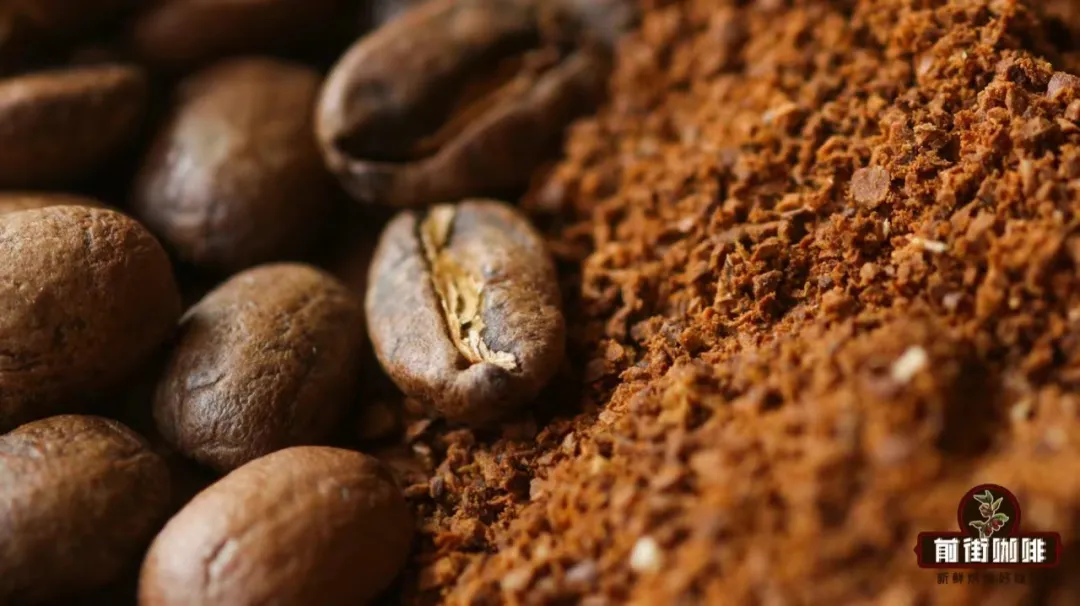
Cleanliness is another key indicator in evaluating coffee quality. A clean coffee should have no unpleasant off-flavors, with clear and distinct layers of flavor. If a coffee exhibits earthy, woody, medicinal, rubbery, burnt-bitter, or overly harsh bitter notes, it can interfere with the purity of the flavors and lead to a lower cleanliness rating.
High-cleanliness coffee can usually showcase more genuine regional characteristics and processing method flavors, which is also one of the important goals pursued in specialty coffee. During tasting, it’s recommended to carefully discern whether there are any foreign odors not inherent to coffee itself, as this helps judge the quality of the coffee’s processing and roasting.
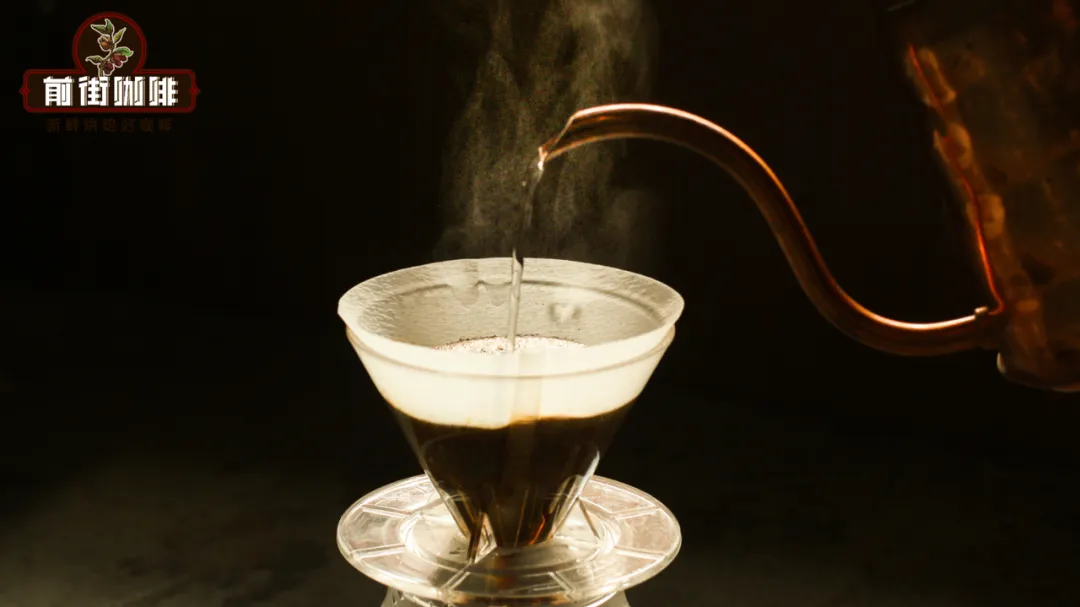
The final evaluation dimension is aftertaste. After swallowing the coffee, close your mouth and slowly exhale through your nose to capture the lingering aromas—this is the manifestation of aftertaste. When assessing aftertaste, the main focus is on the intensity and duration of the aroma. If the lingering fragrance is pronounced and long-lasting, it indicates excellent overall performance of the coffee; conversely, if the aftertaste is brief or faint, it may affect the final evaluation.
It’s recommended during tasting to pay special attention to the aroma changes within the first few seconds to half a minute after swallowing, as this period often reflects the depth and quality of the coffee’s flavors. Using appropriate brewing vessels and a suitable tasting environment can also help you more accurately perceive the nuances of the aftertaste.


The above content is compiled by CoffeeHunters, a coffee news website.


