







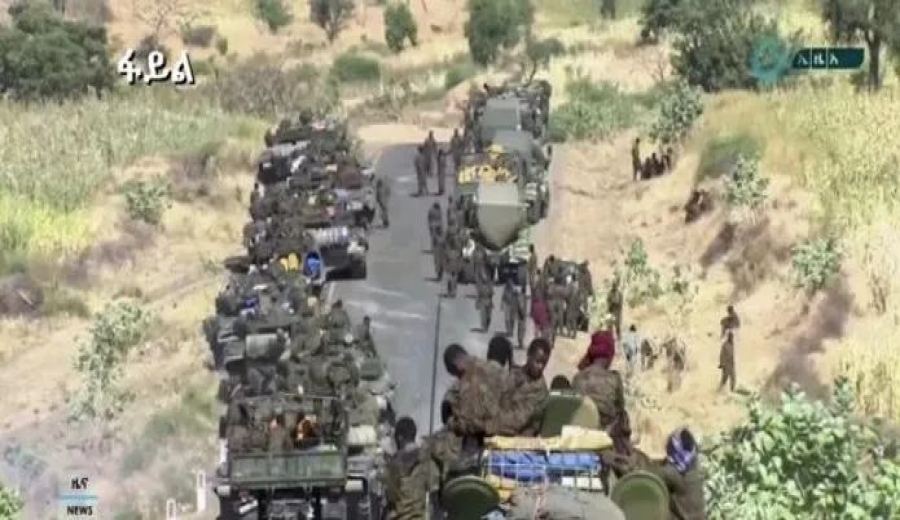
Introduction:The Ethiopian federal government has deployed an additional 40,000 troops to Amhara Region to combat the Fano militia. The ongoing conflict has disrupted the local coffee industry’s supply chain. This article delves into the impact of the fighting on coffee farming costs and logistics, and explores how coffee farmers are coping with rising expenses and export challenges under the EU Deforestation-Free Regulation (EUDR).
The Ethiopian federal government recently sent around 40,000 additional troops to Amhara Region to launch a new large-scale military operation against the Fano militia. The clashes have triggered intense fighting in multiple areas of the region, cutting off urban transportation and forcing residents to stay indoors. This conflict, which has lasted over a year, has not only caused significant casualties but also severely impacted local agricultural and livestock production as well as logistics and transport.
As a major coffee-producing country in Africa, Ethiopia is facing multiple challenges including currency depreciation, rising farming costs, and compliance pressures from the EU Deforestation-Free Regulation (EUDR). The escalation of the conflict has further complicated these issues.
According to local media reports, government forces and the Fano militia engaged in fierce battles in the West Gojjam area, with some towns even witnessing the use of heavy weapons. Residents described hearing intense gunfire and artillery as early as morning, with the intensity of the fighting only easing in the afternoon.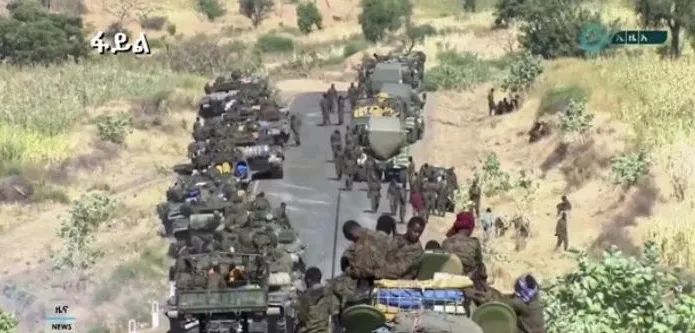
The government has described this operation as a “decisive battle,” deploying up to 40,000 reinforcements and declaring the region to be in a state of full-scale war. At the same time, authorities have arrested hundreds of senior officials suspected of supporting the Fano militia, including government employees and medical personnel.
A spokesperson for the Fano militia stated that government forces have suffered repeated setbacks in the fighting, with recent clashes resulting in the deaths of approximately 293 soldiers. Militia fighters also seized a large amount of weapons and ammunition. However, the Fano side also reported four deaths and five injuries.
Amhara Region is a key agricultural and livestock production area in Ethiopia and a major domestic food supply hub. The ongoing conflict and road blockades have disrupted inter-regional goods transportation, which may further drive up prices in the country.
Although the fighting is primarily concentrated in the northern region, sporadic clashes have spread to the central and western parts. Experts analyze that although the largest-scale civil war ended in November 2022, the continuous violence has led to a significant decline in foreign direct investment.
Currently, the main challenge facing Ethiopia’s coffee industry is the continued depreciation of the exchange rate, which is driving up farming costs. The government’s reform policies have led to a sharp devaluation of the local birr currency, causing domestic prices to soar and coffee farming costs to rise accordingly.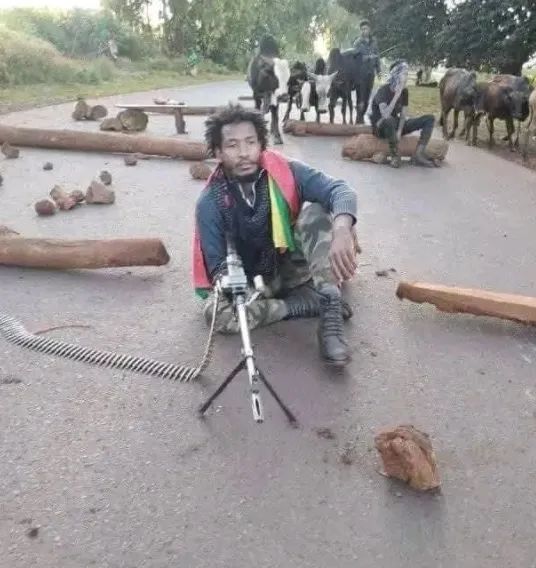
Recent coffee export volumes have surged, mainly because European traders are concerned that Ethiopian coffee may not meet the EU EUDR requirements and are rushing to purchase before the regulation takes effect on December 30, 2024. Although the EU has postponed the enforcement deadline to December 30, 2025, the coffee production model dominated by smallholder farmers still faces serious challenges.
Reports indicate that meeting EU standards would require an approximately 10% increase in production costs. However, many producers believe that making this additional investment is not worthwhile under the current high-cost environment. Moreover, achieving compliance for the majority of producers within one year also presents practical difficulties.
The above content is compiled by CoffeeHunters, a coffee news website.


