







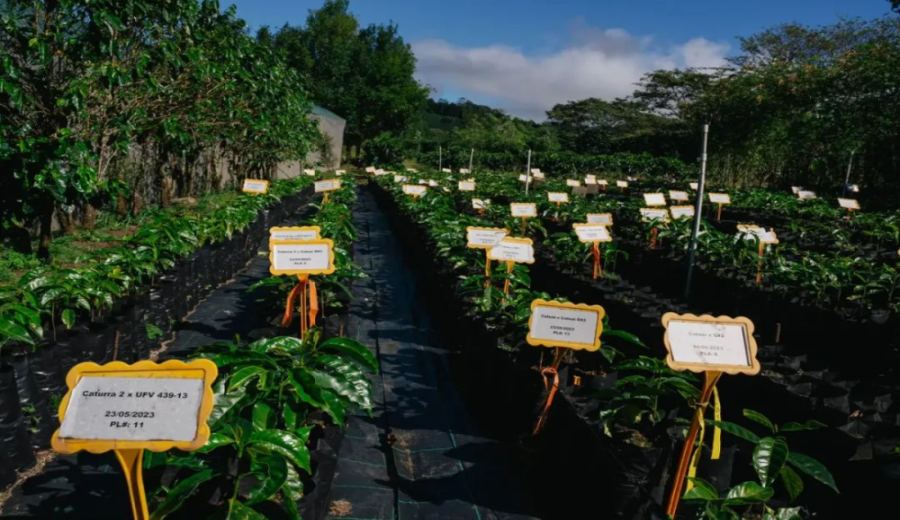
Introduction:With global warming and extreme weather events occurring more frequently, the impact on coffee cultivation has become significant. To ensure a stable future coffee supply, Starbucks has announced the establishment of two new farms in Costa Rica and Guatemala, dedicated to breeding disease-resistant and climate-resilient hybrid varieties, while integrating smart agricultural technologies. This article will delve into the strategic thinking behind Starbucks’ move and how these new farms can help stabilize the global coffee supply chain.
Faced with rising global temperatures and an increasing frequency of extreme weather, the coffee industry is confronting unprecedented challenges. In response, Starbucks has announced plans to build one new farm each in Costa Rica and Guatemala, aiming to develop coffee varieties better adapted to climate change and enhance the resilience of its global supply chain.
In recent years, major producing regions including Brazil have been hit by severe frosts and prolonged droughts, leading to significant fluctuations in the price of Arabica coffee beans. Statistics show that over the past five years, the average price consumers pay for coffee globally has risen by18%, putting considerable pressure on both the consumer market and the industry supply chain. As a purchaser of approximately3%of the world’s coffee beans, Starbucks is also feeling the threat of unstable supply.
Roberto Vega, Starbucks’ Vice President of Global Coffee Agronomy, Research & Development, and Sustainability, pointed out that extreme weather in Brazil has affected up to50%of the company’s raw material supply. Without promptly improving the crops’ own resistance, future supply shortages will only worsen. Therefore, the new farms will focus on cultivating hybrid coffee varieties that can grow stably under varying altitudes and soil conditions, while also featuring high yields and disease resistance.
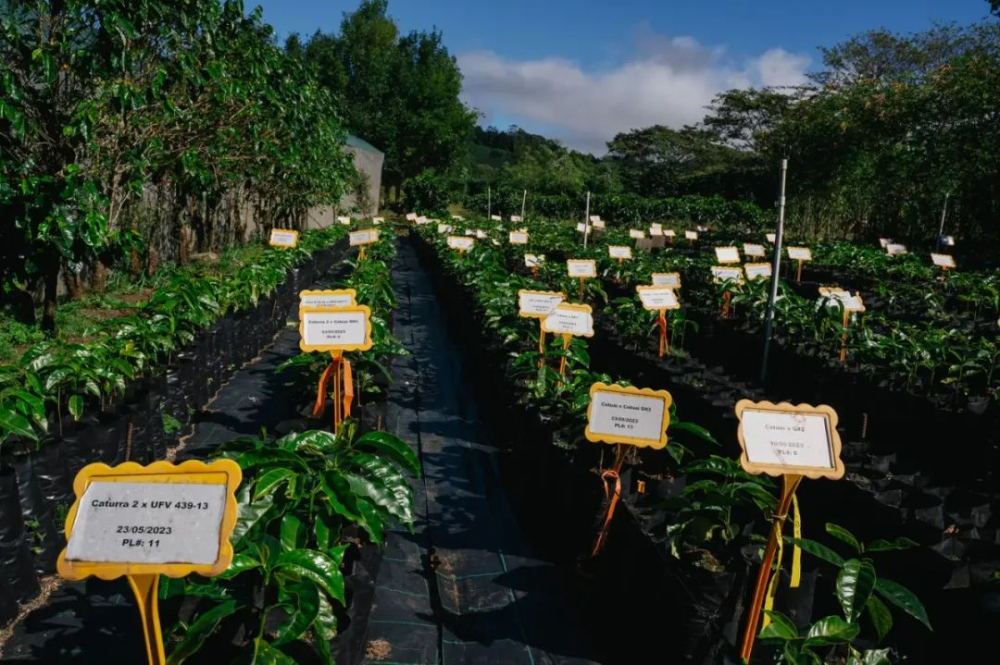
In fact, this is not Starbucks’ first investment in its own farms. As early as2013, the company acquired its first farm at the foot of the Poás Volcano in Costa Rica—Hacienda Alsacia—serving as the base for its global agronomy innovation center. The newly established Costa Rican farm will be located near this estate and plans to introduce advanced technologies such as drone monitoring and automated equipment to help local farmers overcome labor shortages and improve overall production efficiency.
As for the other new farm, Starbucks has chosen the Antigua Highlands in Guatemala. This region is dominated by smallholder farmers, and the operational model of the new farm will closely align with local production realities, helping to gain deeper insights into soil characteristics and crop resilience, thereby developing varieties better suited to the local environment.
Notably, Starbucks is not limiting its investments to Central America. The company has revealed plans to establish two additional farms in Africa and Asia in the future, further expanding its agricultural research footprint across the world’s major coffee-growing regions. These new sites will serve as key bases for developing coffee varieties that are resilient to climate change, high-quality, and high-yielding, while also helping local farmers improve planting efficiency, reduce production costs, and promote sustainable farming practices.
In summary, Starbucks’ expansion of its farm network is not only a proactive response to climate change but also a move to ensure the future quality and stability of coffee supply, while demonstrating its emphasis on global supply chain risk management. For coffee enthusiasts, this may mean enjoying more stable and uniquely flavored coffee products in the future.
The above content is compiled by CoffeeHunters, a coffee news website.


