







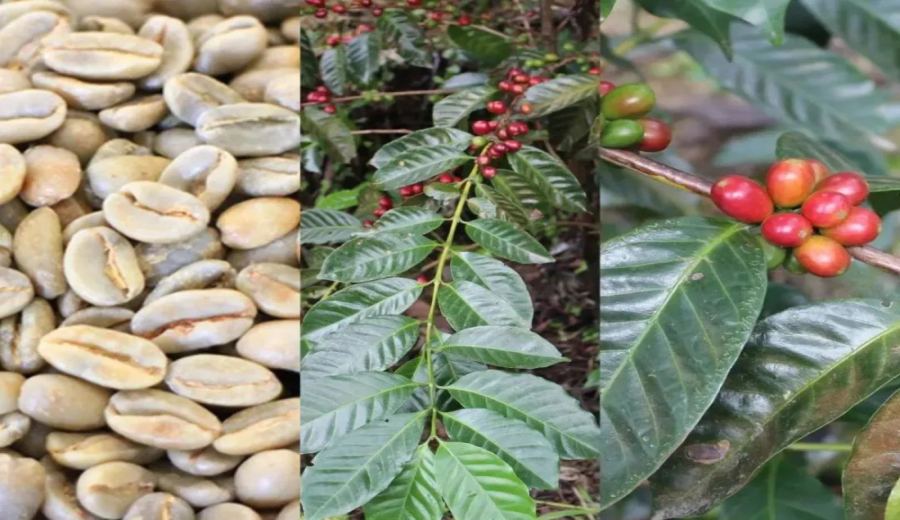
Introduction:In addition to the widely known La Esmeralda Estate, Panama’s Volcán-Candela region is also home to another name rich in history and ecological value—Finca Hartmann. Since its establishment in 1912, this estate managed by the Hartmann family has upheld a commitment to not cutting down primary forests, using only 20% of its land for coffee cultivation. It is renowned for shade-grown farming, organic cultivation, and being bird-friendly. This article will take you through the hundred-year story of Finca Hartmann, exploring its unique farming philosophy, six sub-farms, and the captivating appeal of its notable varieties such as Geisha.
In Panama’s Volcán-Candela region, alongside the shining star that is La Esmeralda Estate, there is also a historic estate that places great emphasis on ecological balance—Finca Hartmann. Established in 1912 by the Hartmann family, it is one of the earliest pioneers of coffee cultivation in the region. Unlike many modern farms focused on maximizing yield, Finca Hartmann has always insisted on not felling primary forests, using only about 20% of its land for coffee growing, with the rest preserved as native forest. This commitment not only protects the ecological environment but also provides an ideal shaded environment and biodiversity for coffee trees.
Finca Hartmann is well-known for employing shade-grown cultivation methods and organic farming, and takes pride in protecting bird habitats—especially the iconic local "toucan," which has become the emblem of the estate. Additionally, the estate houses a professional-grade laboratory and sample roasting room. All coffee beans undergo rigorous cupping procedures to ensure that each batch maintains consistently high quality. This is also a key reason why it has long been a regular contender in the Best of Panama (BOP) competition.
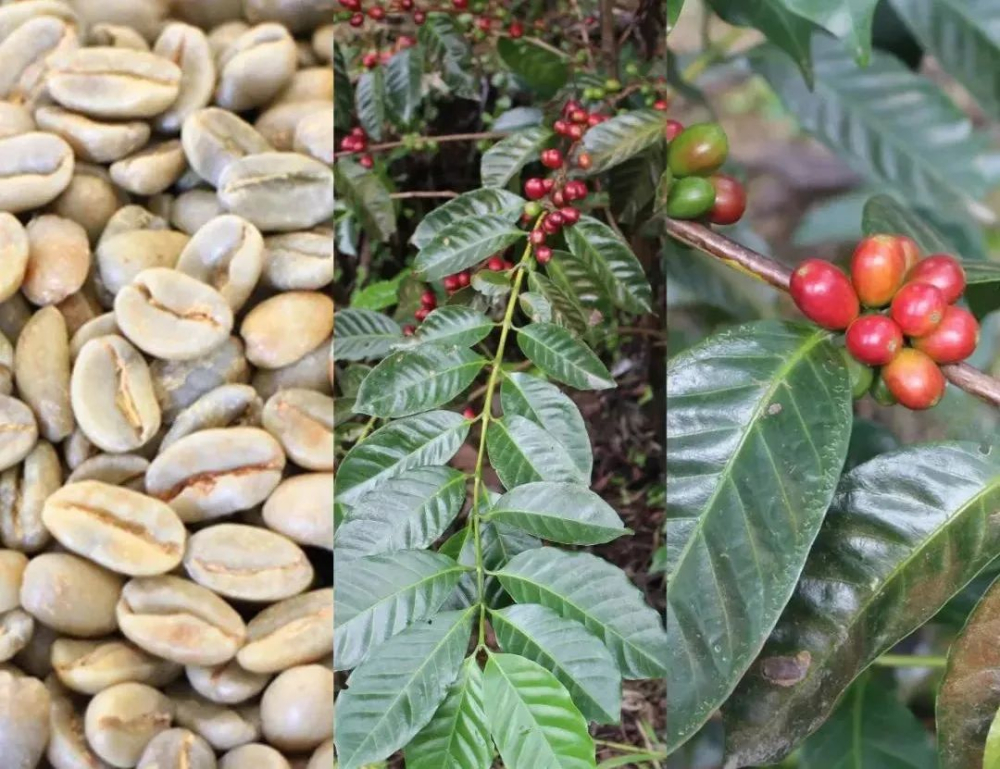
When talking about Panamanian coffee, one cannot overlook the currently most talked-about variety—Geisha. Geisha was first introduced to Panama in the 20th century, but due to the plant’s relatively delicate nature, it was not initially valued by farmers. It wasn’t until 2005 when La Esmeralda Estate entered a Geisha in the BOP competition and won an award that this variety truly began to shine, gradually becoming a leader in the specialty coffee world. Subsequently, regions such as Boquete, Volcán-Candela, and Renacimiento followed suit in cultivating Geisha, giving rise to many specialty farms famed for the variety—and Finca Hartmann is one of the standout among them.
Finca Hartmann has been managed by three generations of the Hartmann family. The founder, Alois St. Hartmann (also known as Luis Hartmann), was born in 1891 in Czechoslovakia. He experienced World War I, during which two of his brothers tragically died in battle. To protect him, his mother hid him in the hull of a ship and brought him to the United States. In 1911, the 20-year-old Hartmann arrived in Chiriquí Province, Panama, and the following year he established this estate within the primary forests of the Volcán-Candela area, thus beginning the family’s coffee business. In 1940, his son Hartmann Troetsch took over the management, and today it is run by the third generation—Hartmann Ratibor along with his five brothers—demonstrating the family’s deep connection to coffee and the land.
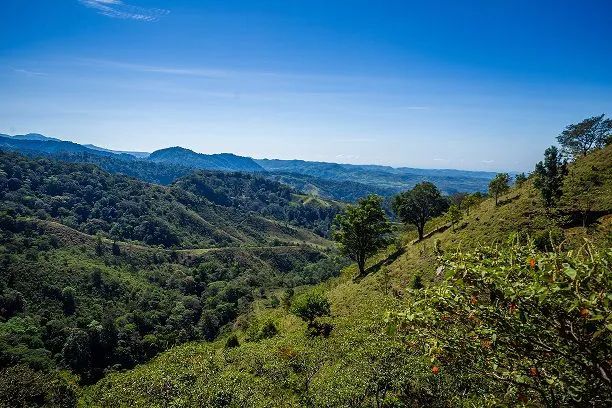
The Volcán-Candela region is located in the western part of Panama’s Chiriquí Province, adjacent to the well-known Boquete region, and is also surrounded by the magnificent Volcán Barú (also called Baru Volcano). As a result, the soil is rich in volcanic ash and highly fertile. The northern side of the region is shielded by mountains, which effectively block moisture from the Atlantic Ocean, resulting in a relatively dry climate, though the annual rainfall can still reach around 3,500 mm, providing moderate humidity for coffee growth. Coupled with its proximity to the La Amistad International Park and being surrounded by vast tropical rainforests, a unique microclimate is formed. Coffee is mainly grown at altitudes between 1,500 and 2,300 meters, classifying it as a high-altitude region, which helps the coffee beans accumulate richer flavor compounds.
Finca Hartmann places great emphasis on natural ecology and sustainable management, steadfastly refusing to clear primary forests and preserving large areas of woodland as habitats for wildlife. Such an environment not only helps maintain biodiversity but also attracts numerous birds to inhabit the area. Among them, the toucan, with its striking appearance and amiable image, has become a symbol of the estate and even appears on the brand logo. In addition, the estate has published multiple books and research papers focusing on bird-friendly and shade-grown cultivation, dedicated to promoting the concept of sustainable coffee farming.
Currently, Finca Hartmann encompasses six sub-farms: Ojo de Agua (Eye of Water), Manantial (Spring), Finca Momoto, Mi Finquita (My Little Farm), Rocky Mountain Coffee (RMC), and Guarumo Coffee Farm. These farms grow a variety of specialty coffee cultivars, including traditional ones like Typica, Caturra, Catuai, and Bourbon, as well as more distinctive ones such as Pacamara, Maragogipe, and the currently most popular Geisha. The range is diverse, with each variety possessing its own unique flavor characteristics.
Based on market feedback, Finca Hartmann’s anaerobic natural Geisha is particularly favored by specialty coffee shops and consumers. It is reported that one coffee retailer imported this coffee bean and processed it with a medium-light roast. When brewed, it emits a distinct white floral aroma, and upon tasting, one can experience a rich array of fruit acidity, such as bergamot, pineapple, and blueberry intermingling in layers. The mouthfeel is smooth as silk, with a lingering aftertaste reminiscent of Earl Grey tea, along with a lasting sweet finish. Overall, it delivers a very balanced yet dynamic performance, making it an excellent choice for experiencing the flavors of high-altitude Geisha.
In summary, Finca Hartmann is not only an important historical representative of Panama’s Volcán-Candela region but also a model of the perfect integration of ecological sustainability and specialty coffee. From the dedication of three generations of family management, to environmentally friendly farming practices, to the diverse varietal layout across its multiple sub-farms—this estate is undoubtedly worthy of in-depth exploration by every coffee enthusiast. If you’re interested in the stories behind specialty coffee and the expression of its flavors, Finca Hartmann is definitely a must-visit stop on your journey through Panama’s coffee map.
The above content is compiled by CoffeeHunters, a coffee news website.


