







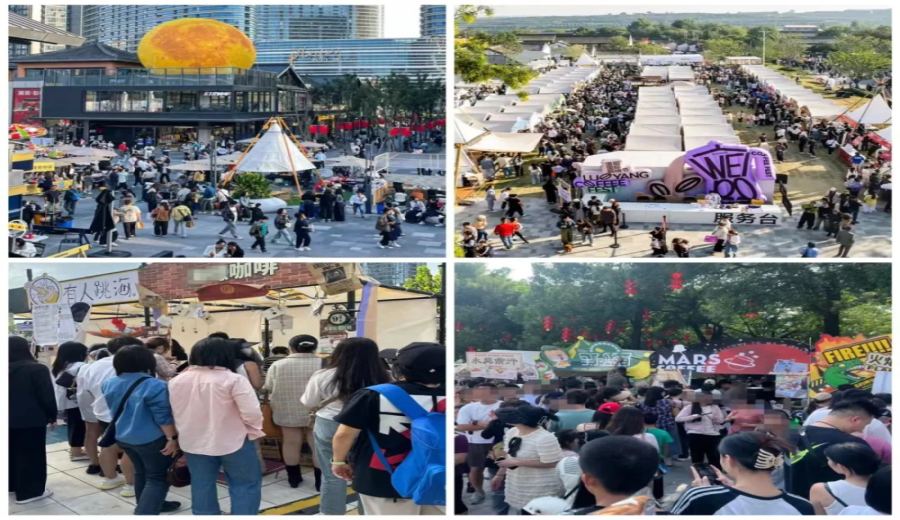
Introduction:During the National Day holiday, coffee festivals across the country were in full swing, but participants increasingly voiced complaints: specialty coffee drinks dominated the scene, prices were high, and the overall experience was inconsistent. This article takes an in-depth look at several key pain points behind coffee festivals—from beverage selection and pricing to on-site management—to help coffee enthusiasts make smarter choices when attending such events and find truly worthwhile coffee experiences.
Over the National Day break, coffee festivals in cities like Guangzhou, Shenzhen, and Luoyang drew huge crowds, with social media flooded with check-in photos and guides. Yet beneath the excitement, many regulars felt let down—specialty mixed drinks took center stage, the pure taste of coffee became increasingly rare, and prices of thirty to forty yuan per cup were hard to justify. What was once seen as a celebration of coffee culture now struck many as more of a commercialized pop-up market.
From what was observed on-site, many booths focused on specialty coffee drinks mixed with syrups, fruit juices, and other flavorings. While these beverages looked exquisite, the flavor of the coffee itself was often overshadowed. Attendees reported that the price of a single specialty drink typically ranged from thirty to forty yuan, with some booths even offering three-drink combo packs priced close to a hundred yuan, making it difficult to sample more than a couple.
High prices and poor value for moneywere among the top complaints from coffee lovers. Many said that due to overly sweet drinks, weak coffee flavor, and steep prices, they often felt “both physically and financially drained” after just one or two cups. Additionally, while some organizers offered coupons that seemed attractive, they came with so many restrictions that customers couldn’t enjoy the expected discounts, further diminishing the overall experience.
Beyond issues with the drinks themselves,poor on-site managementwas another common gripe at coffee festivals. Some event venues lacked clear signage, had disorganized booth layouts, and even featured an overabundance of non-coffee vendors, making it hard to focus on coffee. One attendee bluntly said that after walking around, it felt more like a noisy bazaar than an event centered on coffee culture.
Even more concerning,the quality of coffee preparation varied widely across booths. Some customers reported encountering baristas operating improperly or even violating food safety standards. Others noted that their ordered pour over coffee turned out to be pre-brewed and poured from a thermos, which not only affected the flavor but also raised doubts about the vendors’ professionalism.
The original intention of coffee festivals was to promote coffee culture and provide a platform for enthusiasts to connect and taste. However, in reality, more and more events are leaning toward commercialization, with a weakened sense of community and a stronger transactional atmosphere.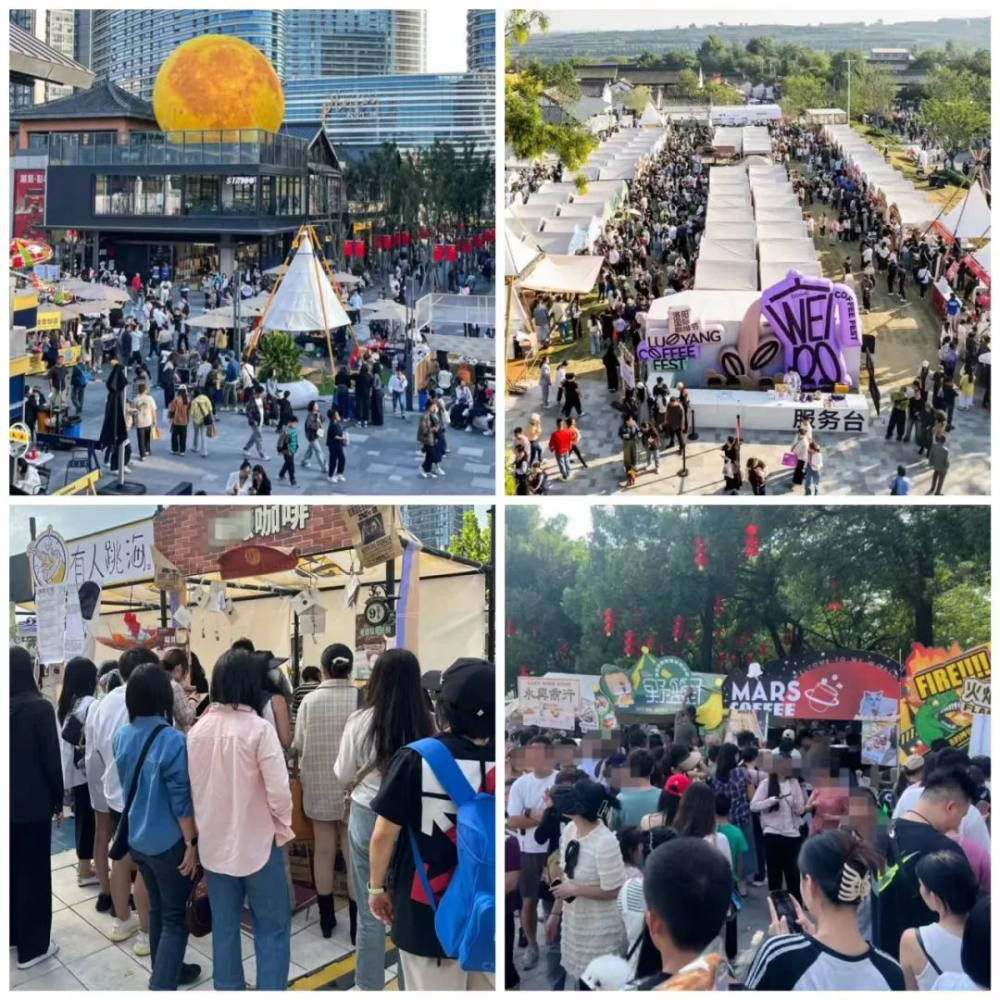 To some participants, these events feel more like temporary initiatives organized by local governments to boost the economy, having long lost their original cultural essence.
For coffee enthusiasts planning to attend a festival, it’s recommended to research the participating booths in advance, choose vendors with good reputations, and prioritize those offering pure coffee options. Paying attention to whether the organizers provide clear guidance and reasonable management can also enhance the overall experience. By taking these steps, you might just find a coffee experience at these festivals that’s truly worth trying.
The above content is compiled by CoffeeHunters, a coffee news website.


