








Introduction:Many coffee enthusiasts struggle to replicate professional-level flavors at home through pour over brewing, even when using the same beans and basic parameters as their favorite cafés. In truth, the key to pour over doesn’t lie in a single numerical value, but rather in understanding the overall extraction logic and mastering the finer details. This article will delve into the core principles of the three-stage pour over method, explore common operational pitfalls, and provide practical improvement tips to help you adjust your technique step by step toward café-quality taste.
A common issue faced by many pour over lovers is this: despite using the exact same coffee beans as those from their favorite café, meticulously matching the ratio, grind size, and water temperature, the resulting cup somehow lacks that captivating depth and aroma. So what exactly is going wrong?
In reality, the charm of pour over coffee doesn’t stem from just a few surface-level numerical parameters—it lies in the detail control and logical understanding throughout the entire extraction process. Especially the "three-stage brewing method," a technique widely used by professional baristas, can effectively enhance extraction uniformity and flavor expression.
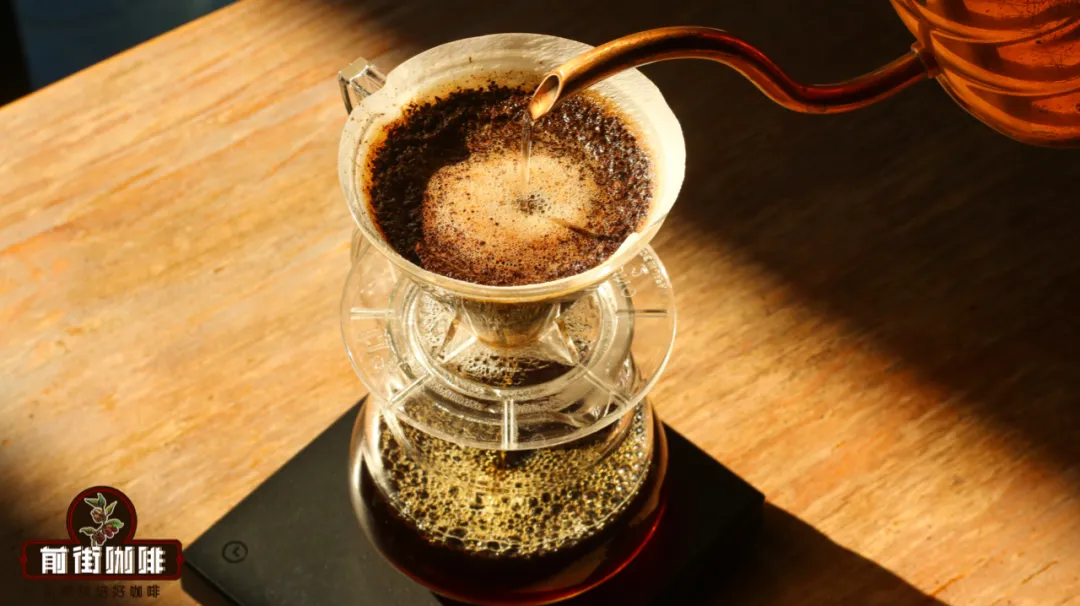
The core concept of three-stage pour over is dividing the pouring process into three distinct stages: the first pour to saturate the coffee grounds, the second for the main extraction, and the third to adjust and finish. This segmented water flow control allows for more precise management of each stage’s extraction time, flow rate, and flavor release—avoiding over-extraction or under-extraction.

Many people at home often overlook the seemingly simple yet extremely important step of “pre-wetting.” The purpose of pre-wetting is to fully hydrate the coffee grounds and release carbon dioxide, laying a solid foundation for subsequent extraction. If this step isn’t done thoroughly enough, the following extraction may become uneven, leading to imbalanced flavors.
During the pre-wetting stage, it’s recommended to gently pour about 2–3 times the total water volume, with water temperature generally controlled between 90–94°C. This range can effectively bring out the aroma and flavor compounds of most coffee beans. Be sure to avoid directly hitting the center of the filter cone; instead, pour in a spiral motion from the inside out and then from the outside in to ensure even saturation across all coffee grounds.
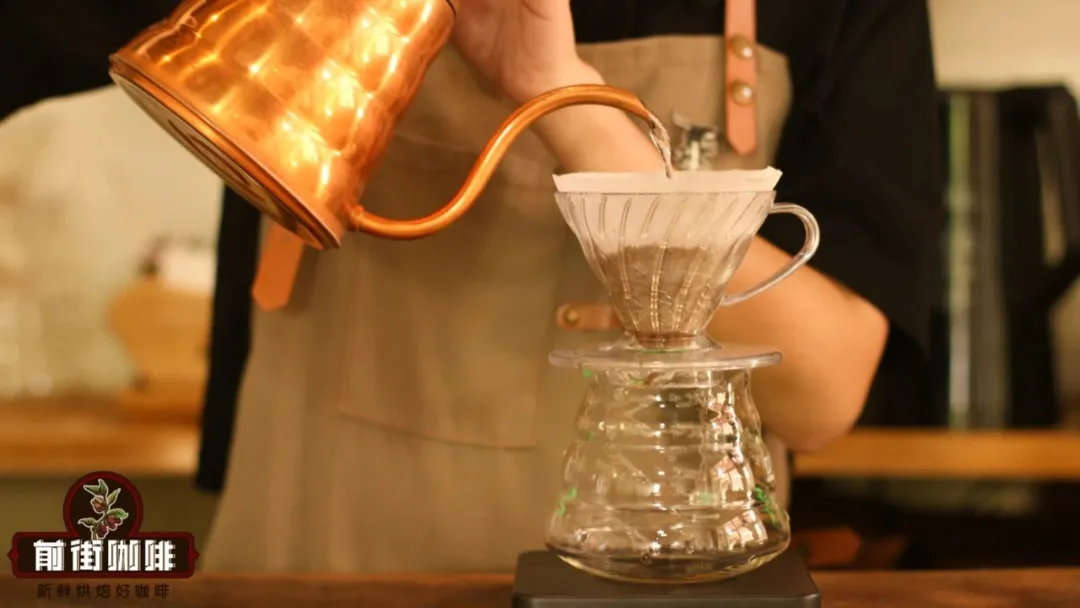
Moving on to the main extraction stage—this is the second phase of the three-stage method, and it’s the crucial period that determines the coffee’s primary flavors and mouthfeel. At this point, gradually increase the pour speed and coverage while maintaining a stable water flow. Aim to keep the total extraction time between 2 minutes 30 seconds and 3 minutes, which is the ideal extraction window for most medium-to-light roasted beans.
It’s suggested to pour 60%–70% of the total water volume during this stage, and pay attention to how the coffee bed expands and settles. If you notice the coffee bed collapsing too quickly or experiencing obvious channeling (i.e., water flowing through specific areas), you’ll need to adjust your pour position and speed accordingly to ensure even extraction.

The final stage—the third phase of the three-stage method—is mainly used to balance the overall extraction and enhance the body. Here, you can add the remaining water as needed, typically around 20%–30% of the total volume, aiming to complete the extraction while avoiding excessive bitterness or off-flavors caused by over-extraction.
The pouring during this stage should be even more delicate and stable. It’s recommended to use a smaller stream and a wider pour pattern, allowing the coffee liquid to pass more uniformly through the coffee bed, further enhancing mouthfeel smoothness and flavor complexity.
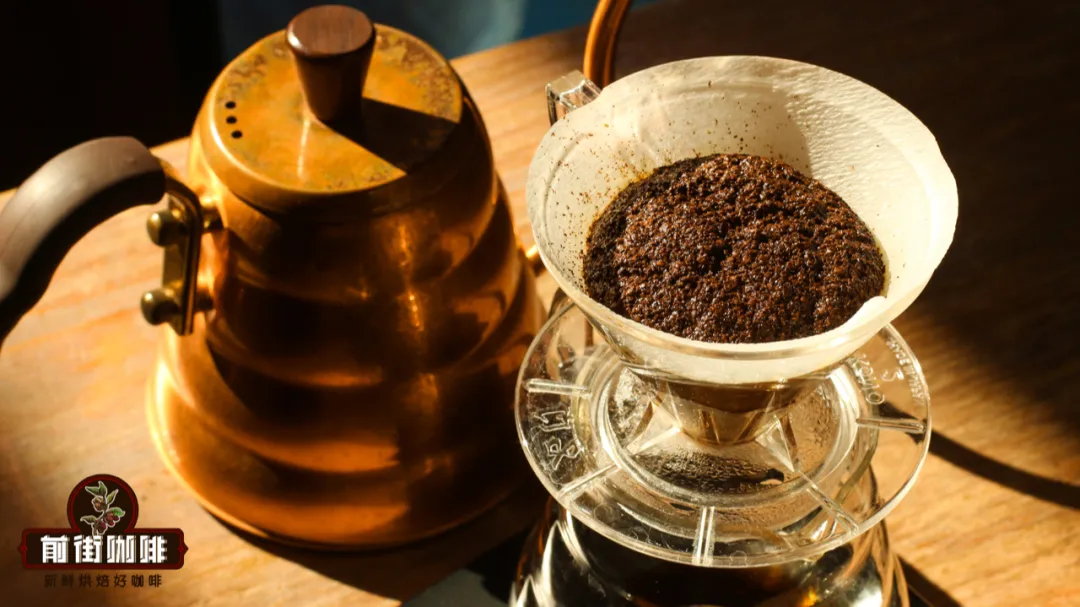
Beyond the technical details of three-stage pouring, many people at home also easily fall into some common misconceptions. For instance, excessively chasing high water temperature under the misconception that the hotter, the better for extracting more flavors—but in fact, overly high temperatures can extract excessive impurities and bitter substances, especially when using light-roasted beans.
Additionally, many overlook adjusting the grind size. Even if you’re using the same beans as the café, if your home grinder’s settings differ from theirs, it will directly affect the extraction outcome. It’s advisable to fine-tune your grind based on your grinder’s characteristics and judge whether you’ve reached the ideal extraction rate (typically suggested between 18%–22%) through TDS testing or simple taste feedback.
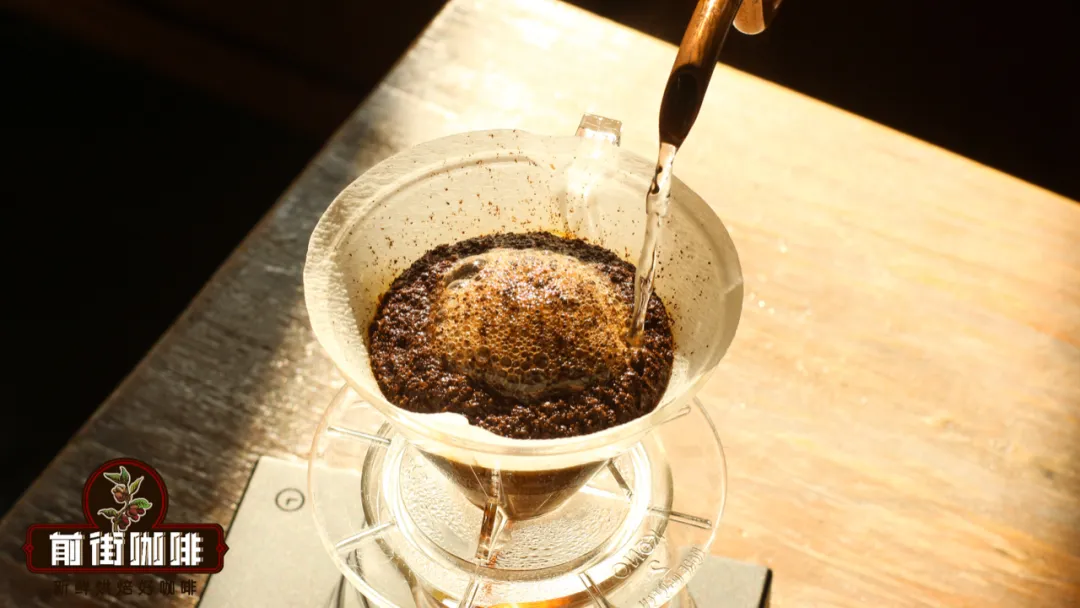
Another commonly ignored detail is the use of filter paper. Many forget to fully wet the filter paper before brewing, which can not only introduce a papery taste but also impact the filter cone’s airflow and extraction efficiency. The correct approach is to rinse the filter paper with hot water after placing it in the cone, simultaneously preheating the filter and server. Then discard the preheating water before beginning the actual pour.
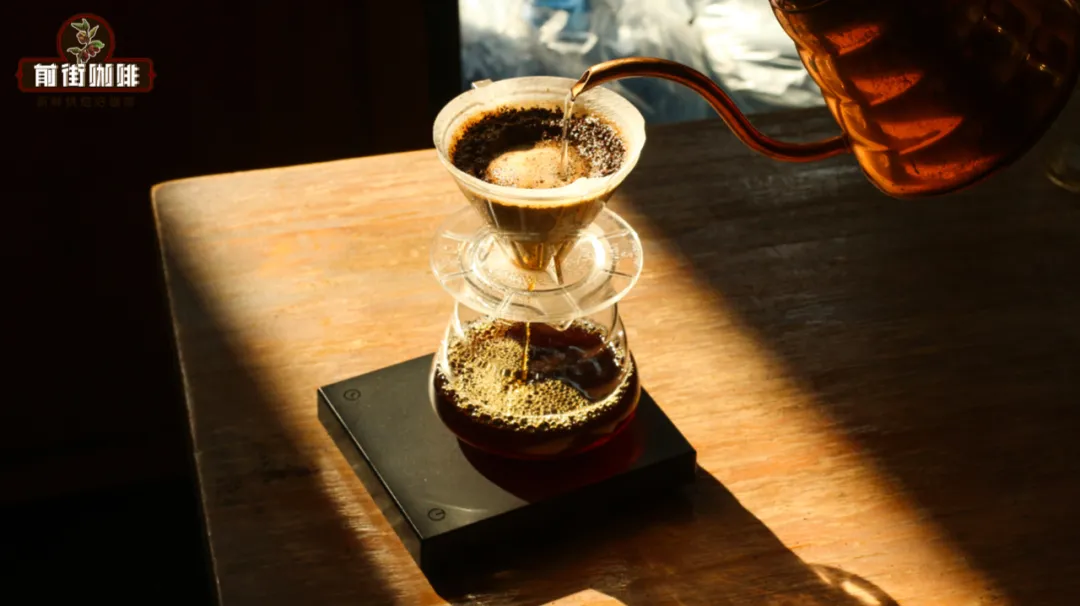
In summary, to recreate that unforgettable café-style pour over coffee at home, the key is not merely mimicking surface-level parameters, but deeply understanding the principles and nuances behind each step. Three-stage pour over is not just a technique—it’s a respect for, and mastery of, the layers of coffee flavor. By gradually refining your strategies for pre-wetting, main extraction, and finishing, you too can approach that professionally brewed cup you’ve been dreaming of.
The above content is compiled by CoffeeHunters, a coffee news website.


