







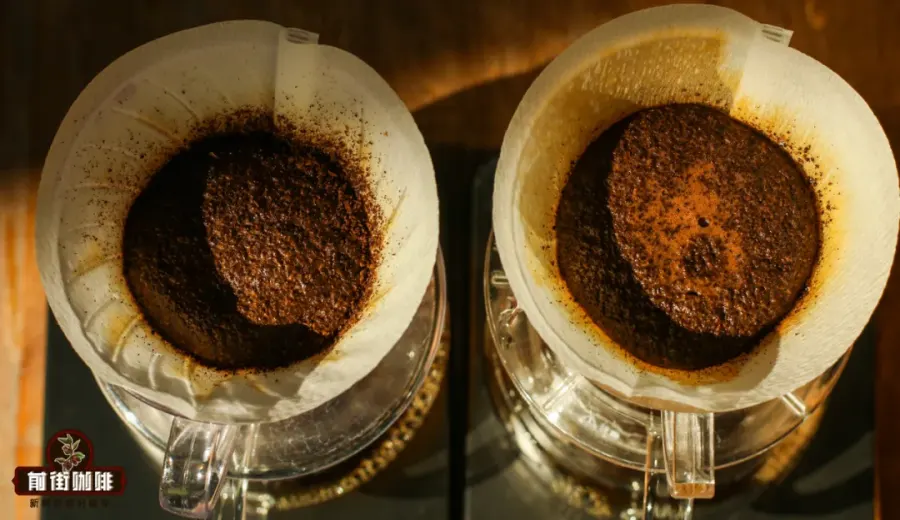
Introduction:Blooming is an often overlooked yet crucial step in pour over coffee. It not only affects subsequent flavor release but also allows you to gauge the freshness and post-roast condition of the coffee beans by observing the expansion of the coffee bed. This article will delve into the science behind blooming, analyze the multiple factors influencing the extent of bed expansion, and help you master more precise extraction techniques through visual cues.
In the pour over process, blooming is often seen as just a preparatory step, but its significance goes far beyond that. Many coffee enthusiasts rely on the height of the coffee bed’s rise during blooming to judge the bean’s freshness: a larger bloom is usually considered a sign of fresher beans, while a smaller or absent bloom may indicate some loss of vibrancy. However, the degree of bed expansion during blooming is not solely determined by how fresh or freshly roasted the beans are.
To fully understand this phenomenon, we need to start with the essence of blooming. Blooming is not simply about waiting for hot water to penetrate the coffee grounds—it is actually the process of releasing carbon dioxide accumulated during roasting, thereby clearing the way for optimal extraction later on.
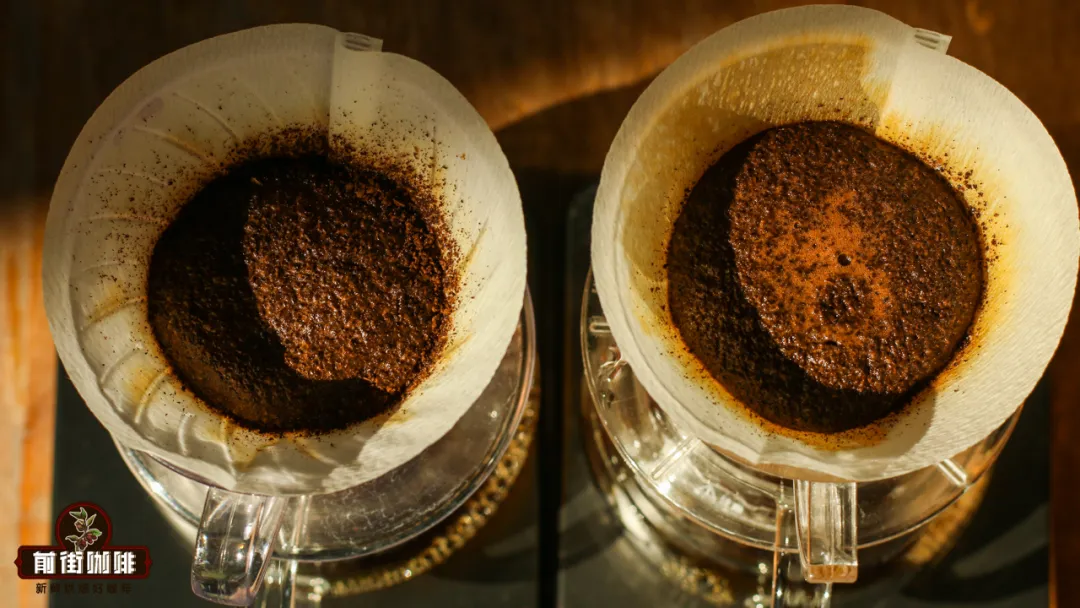
During roasting, coffee beans produce a significant amount of carbon dioxide. These gases do not escape immediately after roasting but are gradually released. If this gas is not properly vented, it can form an invisible barrier that prevents hot water from fully contacting the aromatic compounds in the coffee grounds, thereby reducing the efficiency of flavor extraction. Therefore, the key goal of the blooming stage is to allow as much of this carbon dioxide as possible to dissipate, creating more favorable conditions for subsequent water infusion.
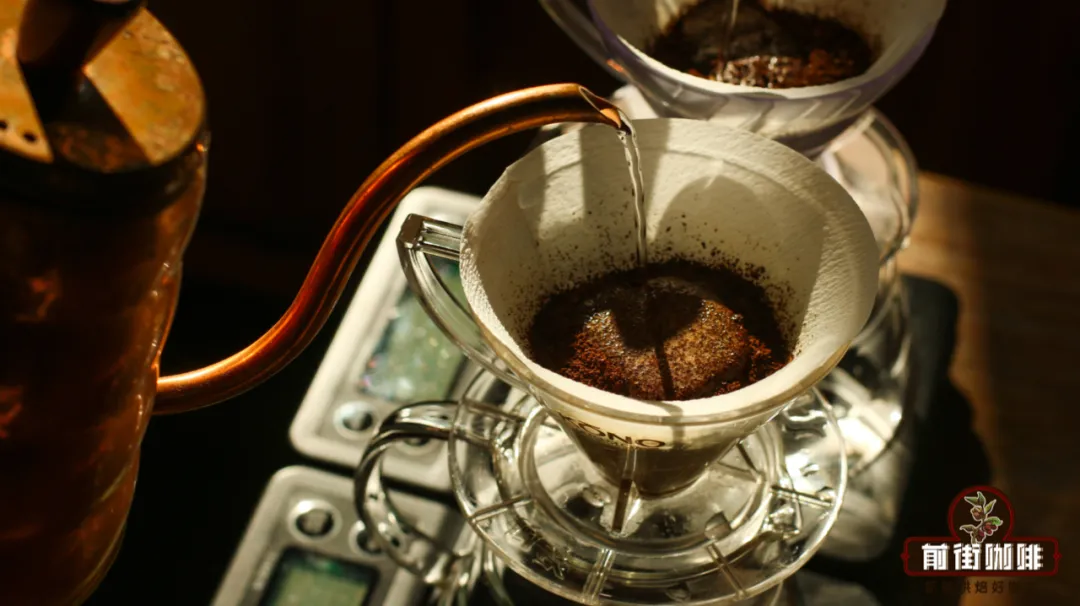
During blooming, a small amount of hot water is poured and then paused briefly. This short waiting period is the critical window for allowing carbon dioxide to be released. Once most of the gas has escaped, the main extraction water is poured in, allowing the hot water to more smoothly penetrate the coffee bed and extract a richer range of aromas and flavors.
Many people observe that when the coffee bed rises higher during blooming, it often indicates that the beans are fresher; conversely, a smaller or barely visible bloom may suggest that the beans have been stored for a while and have lost some freshness. While this observation is somewhat valid, it is not the only factor at play.
For example, even if two batches of coffee beans are roasted on the same day and ground and bloomed under nearly identical conditions, their bed expansion can still vary significantly. This shows that in addition to freshness, other variables can influence how much the coffee bed blooms during this stage.
Numerous factors affect the degree of blooming expansion, including the roast level of the beans, grind size, brew ratio, water temperature, and even pouring technique and blooming duration. For instance, darker roasts typically release more carbon dioxide, so under the same freshness conditions, they may exhibit a larger bloom. Conversely, a coarser grind might facilitate smoother gas release paths, resulting in less noticeable expansion than expected.
Additionally, the amount and temperature of water used during blooming also play a vital role. Generally, it is recommended to use 2 to 3 times the weight of the coffee grounds in hot water for blooming, with the water temperature matching that of the main extraction stage—usually between 90–96 degrees Celsius. The water should be poured evenly across the coffee bed to avoid focusing on a single area, which helps ensure uniform gas release and results in a more stable and consistent bloom.
Visually, the degree of bed expansion can offer some practical insights. If the coffee bed shows almost no rise, it may mean the beans have significantly lost freshness, or that poor storage conditions allowed carbon dioxide to escape prematurely. On the other hand, a full and even bloom often indicates that the coffee beans are in good condition and can provide a solid foundation for a successful extraction.

Understanding the blooming bloom phenomenon not only helps you assess the current state of your coffee beans but also allows you to make more informed adjustments to your brewing parameters. By paying attention to subtle changes during the blooming phase, you can further refine the overall extraction process, leading to a more balanced and flavorful cup.
The above content is compiled by CoffeeHunters, a coffee news website.


