








Introduction:Do you know how Naples coffee uses specially made coffee cream to balance the intense bitterness of espresso? This article delves into the historical roots of Naples, Italy, as a coffee mecca, analyzes how locals use unique techniques to enhance coffee flavor, and details the process of making dairy-free coffee cream—from ingredient selection to step-by-step instructions—to give you a comprehensive understanding of this classic Italian beverage, from cultural background to practical skills.
In Italy, the birthplace of espresso, not everyone is accustomed to the strong bitterness of espresso. As a result, many people soften the impact of coffee by adding various ingredients, such as affogato with cream, Roman-style espresso with a squeeze of lemon, or macchiato with just a little milk. Among these variations, the Neapolitans opt for a specially made coffee cream to tone down the intense taste of espresso. This beverage, infused with local wisdom, is the world-renowned "Naples Coffee (Coffee napoletano)."

Even in Italy, the cradle of espresso culture, not everyone can easily accept the bold flavor of espresso. As a result, different regions have developed their own flavoring methods—such as affogato with cream, Roman-style espresso with lemon, or macchiato with a touch of milk. Naples, as a coffee hub in southern Italy, has successfully neutralized the intense taste of espresso through a unique coffee cream blending technique, giving this classic Italian coffee a smoother expression.
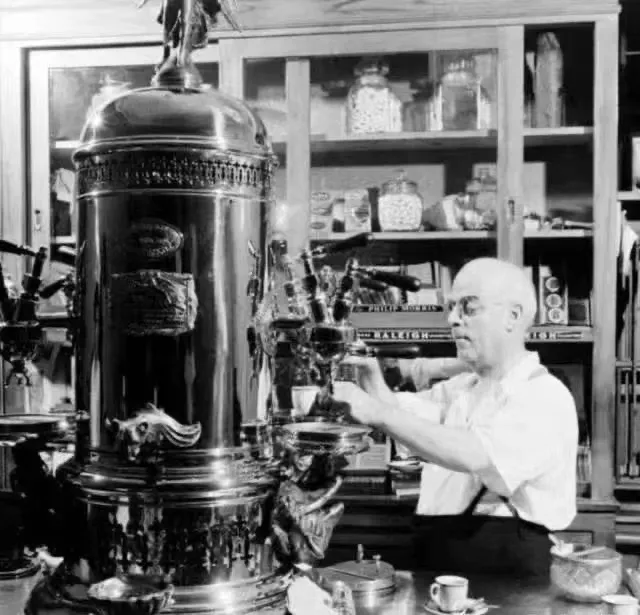
When it comes to Naples, many people first think of the birthplace of pizza, but this city also boasts a deep-rooted coffee culture and is even hailed as Italy’s "City of Coffee." Naples earned this reputation not only because it is the birthplace of the traditional Italian espresso machine but also due to its centuries-old coffee drinking habits and local innovations, which have profoundly influenced the coffee culture of surrounding regions.
Especially after World War II, due to restricted imports of Italian coffee beans, many regions could only use relatively lower-quality Robusta beans to make coffee. Dark-roasted Robusta has a strong burnt bitterness that is hard to swallow. To mitigate this bitterness, baristas across the country began experimenting with different ingredients, and Naples created a distinctive coffee flavor by pairing a specially made coffee cream with a small blend of Arabica beans. Even today, many Naples cafes still adhere to this traditional method, preserving this unique coffee culture.
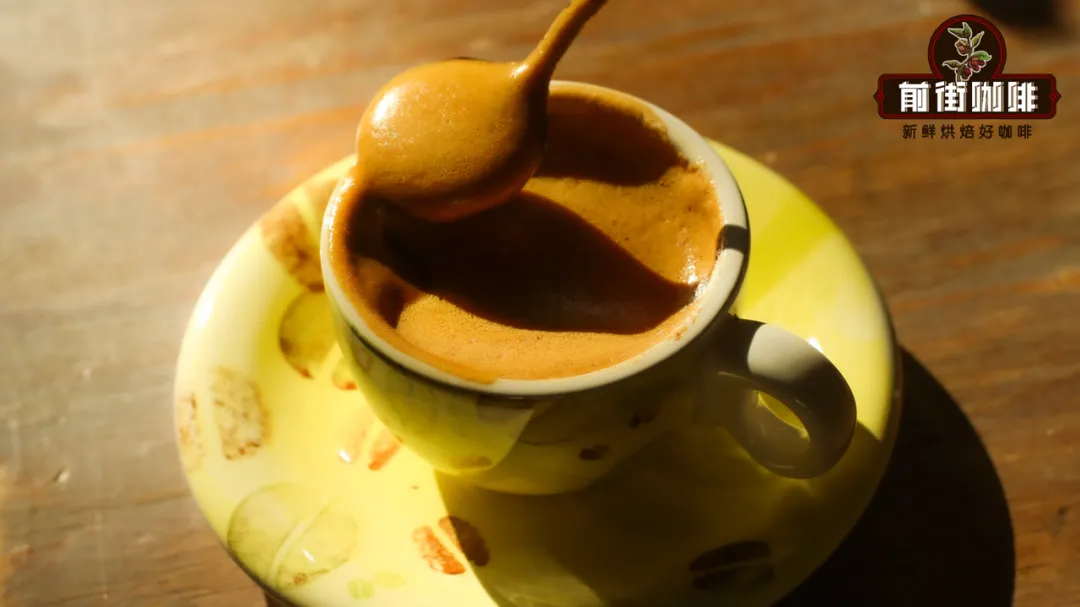
The key to giving Naples coffee its unique flavor is what is called "coffee cream." But don’t be misled by the name—this "cream" contains absolutely no dairy products at all. Its uniqueness lies in being made solely from espresso and sugar, using a special stirring technique to form a thick, creamy-like consistency, hence the name "coffee cream." This texture not only effectively softens the intense taste of espresso but also adds a layer of richness and smoothness to the entire drink.
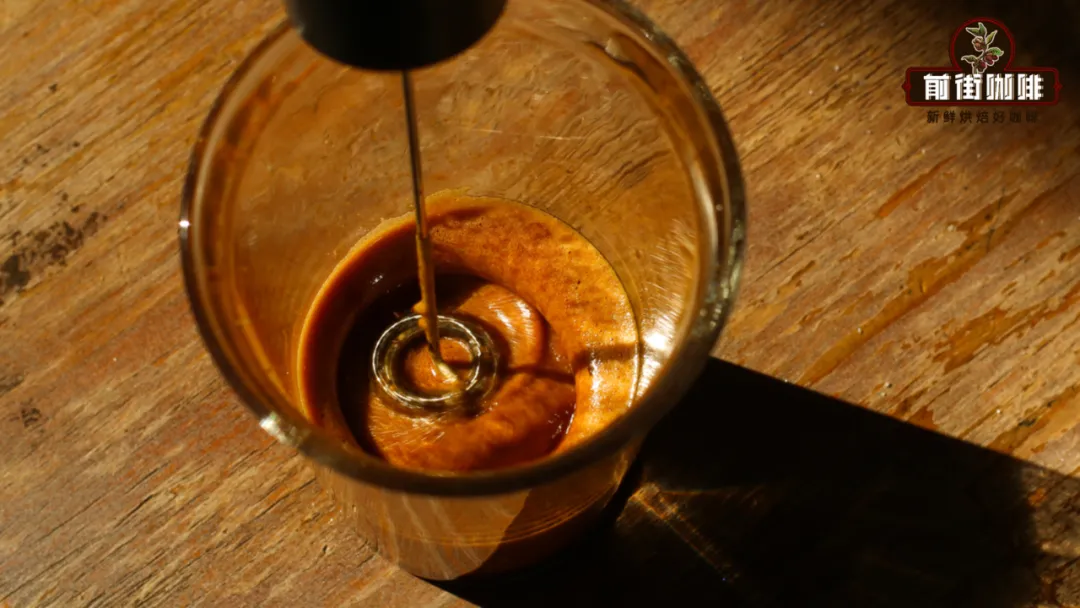
The process of making this special coffee cream is not complicated, but it requires mastering some key techniques. Typically, freshly extracted espresso is used along with fine granulated sugar, which is continuously stirred or processed with special tools to fully integrate the sugar and coffee, resulting in a thick consistency. This technique not only reduces the bitterness of the coffee but also makes the texture of the drink denser and softer. For coffee lovers who enjoy espresso but want to reduce its bitter intensity, this coffee cream is undoubtedly an excellent choice.
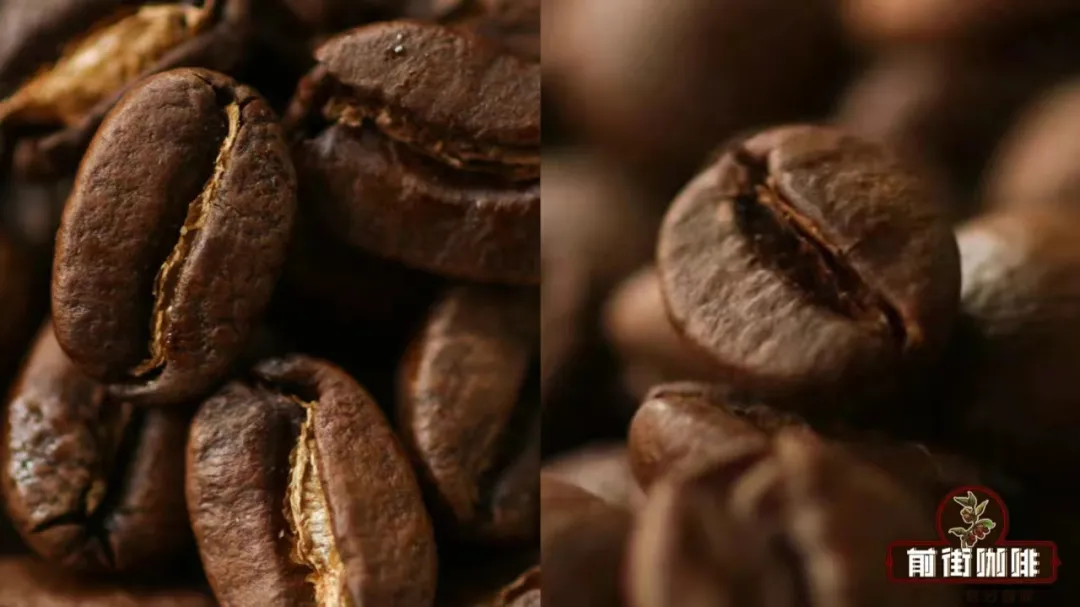
The unique flavor of Naples coffee also stems from the locally common coffee bean blends. Due to the prevalence of Robusta beans after the war, many Naples cafes chose to blend Robusta with a small amount of Arabica, using the acidity and fruity notes of Arabica to balance the strong burnt bitterness of Robusta. Although this blending method is more costly, it creates a unique flavor balance, and with the addition of coffee cream, it has become one of the most representative coffee drinks in the region.
Even today, although coffee bean imports are no longer restricted, many Naples cafes still insist on using this traditional blending method, paired with specially made coffee cream, continuing the city’s coffee culture heritage. For readers wanting to experience authentic Naples-flavored coffee, understanding the making process of this coffee cream and the cultural story behind it will undoubtedly allow you to more deeply appreciate the charm of this classic Italian beverage.



The above content is compiled by CoffeeHunters, a coffee news website.


