







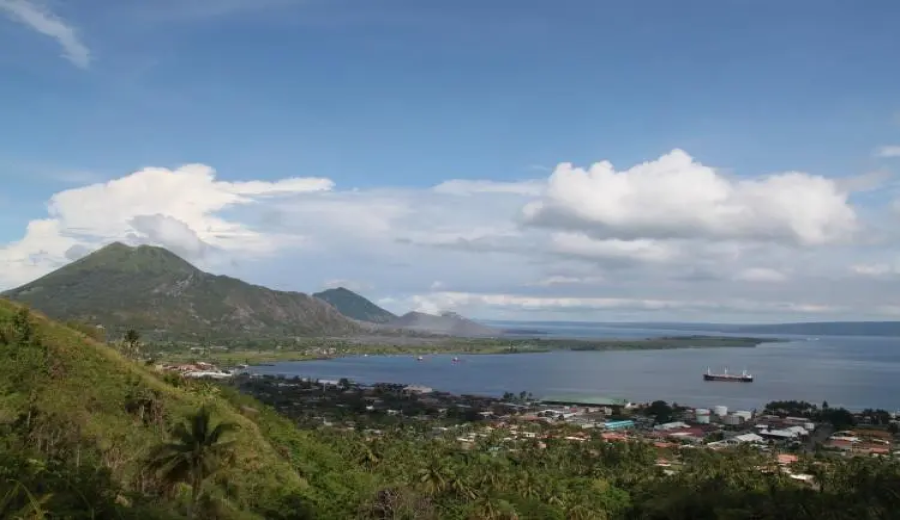
Introduction:Papua New Guinea coffee is often hailed as the "Little Blue Mountain" due to its cultivation conditions and variety background being extremely similar to those of Jamaican Blue Mountain. This article delves into the four major highland core regions, explores the characteristics of the classic Typica variety, and through the real-life example of Sigri Estate (Paradise Bird), helps you grasp the caramel, cocoa, and nutty layers of this washed-processed coffee. It provides a comprehensive reference, from flavor profile to regional background.
When it comes to high-quality coffee, most people first think of Jamaican Blue Mountain. This bean, renowned as the "Emperor of Coffee," owes its legendary balanced and rich flavor to its unique volcanic soil and moderate altitude environment. However, in Oceania, Papua New Guinea — also blessed with high altitude and volcanic terrain — produces Typica variety coffee that closely resembles the flavor profile of Blue Mountain. For a long time, it has been seen as a "budget alternative" to Blue Mountain, and is affectionately nicknamed the "Little Blue Mountain" by the industry.
Located in the southwest of the Pacific Ocean, Oceania is mainly composed of the Australian continent and over ten thousand scattered islands, more than 60% of which are related to volcanic activity, resulting in large amounts of mineral-rich fertile soil. Although the region is primarily agricultural, there are very few areas dedicated to specialty coffee cultivation, with only Hawaii and Papua New Guinea having representative producing regions.
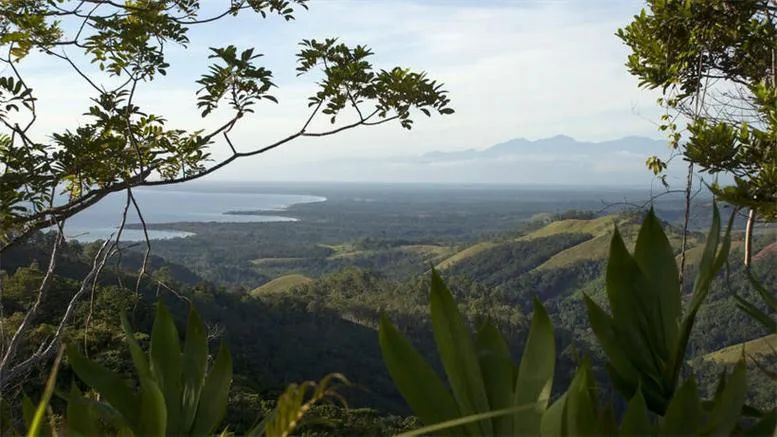
The main territory of Papua New Guinea is situated on the eastern half of the island of New Guinea, separated from the Indonesian-administered western side by an artificially drawn straight border. The entire country consists of the main island and around 600 surrounding islands. The central mountainous region suitable for coffee cultivation — known as the New Guinea Highlands or Central Range — is made up of continuous volcanic ranges and valleys, with elevations generally exceeding 1,000 meters. The area maintains an average annual temperature of 16 to 27°C, with annual rainfall reaching up to 2,500 millimeters. Coupled with weakly acidic, fertile soil formed by long-term volcanic ash deposits, it provides an ideal habitat for Arabica, which thrives in cool temperatures and requires ample moisture.
Historical records indicate that coffee arrived in the region via Dutch merchant ships in the late 18th century, but small-scale cultivation only began in the Rigo area during the 19th century. In the 20th century, as demand grew, the local coffee planting area expanded to 180 acres, gradually becoming an important cash crop. Interestingly, at the time, Papua New Guinea was under Australian administration and, due to close ties with British Jamaica, imported the classic Typica variety from the latter — the very lineage of Blue Mountain coffee. Given the highly similar conditions in both places — elevation (both over 1,200 meters), climate (humid and rainy), and soil — the introduced Typica quickly adapted and exhibited citrusy notes and a rich aftertaste very similar to Blue Mountain, thus earning the nickname "Little Blue Mountain." However, because Papua New Guinea is closer to the equator with slightly higher daily temperatures, its flavor profile tends to be a bit bolder compared to Blue Mountain.
Currently, the country’s coffee production is highly concentrated in four major highland provinces: Western Highlands, Eastern Highlands, Chimbu, and Jiwaka. The production landscape is dominated by smallholder farms, with about 75% of the coffee coming from scattered local farms, though there are also some larger estates. Among them, the most representative is Sigri Estate, established in 1950.
Sigri Estate is located in the Wahgi Valley of the Western Highlands Province, surrounded by the famous dormant volcano Mount Hagen. The volcanic ash left by past eruptions enriches the soil with abundant nutrients. Coupled with a microclimate featuring stable average temperatures and evenly distributed rainy seasons, the region is not only suitable for Typica growth but also nurtures numerous high-quality estates.It is worth noting that Sigri Estate prints the image of Papua New Guinea’s national bird, the "Paradise Bird," on its export sacks, and is therefore commonly referred to in the industry as the Paradise Bird Estate..
The estate is owned by WR Carpenter Company-PNG, which manages approximately 1,000 hectares of coffee plantations and handles 80% of the country’s coffee and tea exports, making it an absolute industry leader. Sigri Estate has long adhered to eco-friendly farming practices, completely banning chemical pesticides and insecticides. Through strictly controlled harvesting timing and washed processing procedures, it ensures that every batch of coffee beans maintains consistently high quality standards.
If you’d like to personally experience the unique charm of this "Little Blue Mountain," consider trying the washed-processed batches of Typica beans from the Sigri Paradise Bird region in the Western Highlands Province. Upon brewing, its flavor profile clearly showcases sweet caramel notes, a deep-roasted cocoa base, and subtle almond and nutty undertones. At lower temperatures, you can also detect gentle citrus acidity. The overall mouthfeel is round and balanced, making it suitable for drinkers who prefer medium to dark roasts. Whether as a daily brew or for single-origin appreciation, this coffee from the hidden gem of Oceania offers a taste surprise that is reminiscent of Blue Mountain yet distinctly unique to its region.
The above content is compiled by CoffeeHunters, a coffee news website.


