







Introduction:Sumatra Mandheling coffee is renowned for its rich and bold flavor profile, a result of the unique wet-hulled processing method and the exceptional terroir of the region. This article delves into the origins of the name "Mandheling," how Sumatra’s volcanic landscape and climate nurture premium Arabica beans, and provides a detailed look at the wet-hulling process and distinctive flavor characteristics—offering a comprehensive understanding of this classic coffee from origin to cup.
As one of the world’s major coffee-producing countries, Indonesia’s Sumatra Island produces Mandheling coffee, which stands out with its full-bodied body and intense aroma, becoming a classic favorite among many coffee enthusiasts. The name "Mandheling" actually stems from an interesting anecdote during World War II and has since become synonymous with high-quality Indonesian coffee. The unique character of this coffee comes not only from the local terroir but also from its distinctive wet-hulled processing technique.
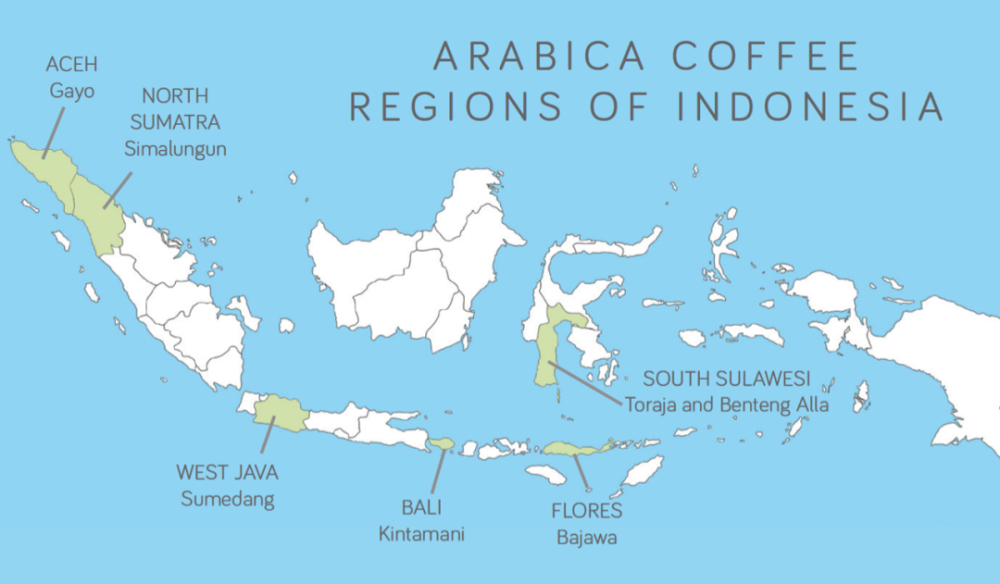
Sumatra Island boasts fertile volcanic soils and a tropical rainforest climate—ideal natural conditions for cultivating Arabica coffee. The island’s primary Arabica-growing regions are concentrated in the Barisan Mountains in the northwest, with the Gayo Highlands in the special region of Aceh and the Lintong region in North Sumatra being the most renowned. These areas generally sit at elevations between 1300 and 1800 meters, with cool and humid climates perfect for growing high-quality Arabica beans.
When it comes to the name "Mandheling," many mistakenly assume it refers to a coffee variety. In fact, it originates from a minority ethnic group called "Mandheling" residing in the northern highlands of Sumatra. According to the popular story, during World War II, a Japanese soldier tasted an unforgettable cup of coffee at a local café. When he asked the shop owner about the name of the coffee, a language barrier led him to think the owner was referring to their own name, thus giving birth to the name "Mandheling." After the war, the soldier brought this coffee to Japan, where it gained widespread acclaim, and the name "Mandheling" has since spread far and wide.
Indonesia’s geographical environment is extraordinarily unique—it is the world’s largest archipelagic nation, comprising more than 17,000 islands, around 400 of which are volcanic. Most of the islands feature rugged terrain and a tropical rainforest climate, with year-round high temperatures and abundant rainfall, creating a moist atmosphere with average temperatures maintained between 25 to 27°C, along with distinct wet and dry seasons. This climate, combined with the fertility of volcanic soils, provides ideal conditions for coffee cultivation.
Coffee cultivation in Indonesia spans multiple islands, with major producing regions including Sulawesi, Bali, Java, and Sumatra. Among these, Sumatra is not only the largest island in Indonesia but also the primary origin of Mandheling coffee. The island’s geography can be divided into the towering Barisan Mountains in the west and the lowland plains in the east, with Arabica coffee mainly grown in the higher-altitude mountainous areas, especially in the northwestern Barisan Mountains.
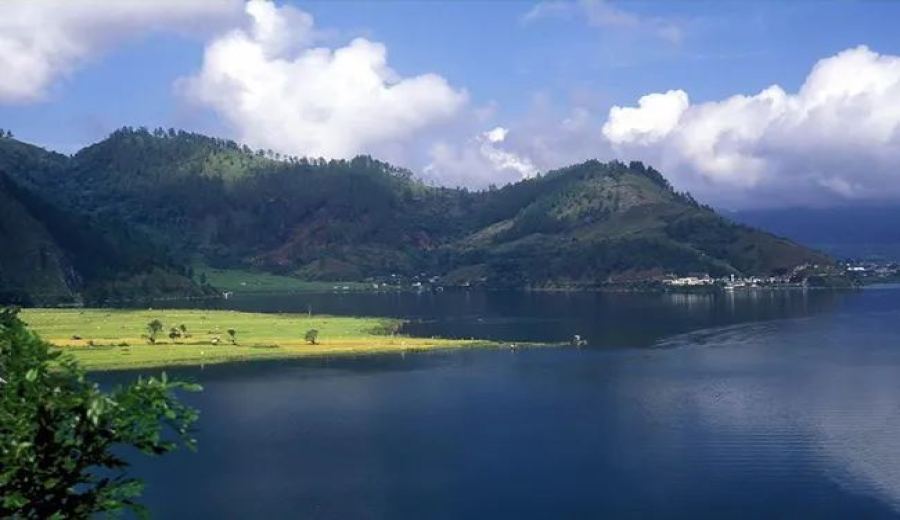
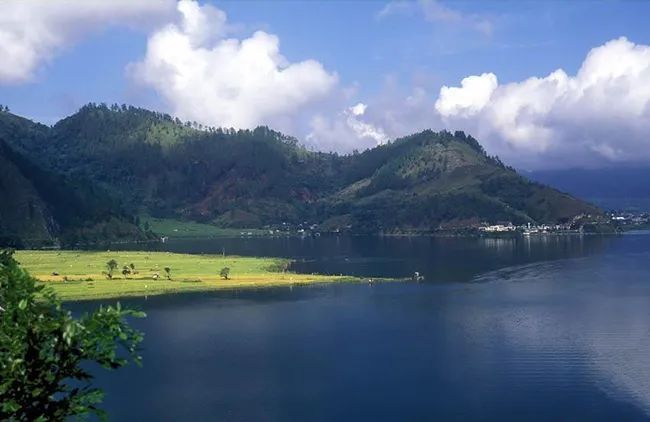
The Lintong region is located south of Medan, the capital city of North Sumatra Province, and is surrounded by Lake Toba—the world’s largest volcanic lake. The coffee-growing slopes around the lake sit at elevations of approximately 1400 to 1800 meters. The soil here, enriched by volcanic activity, is rich in minerals, making it highly suitable for coffee cultivation. This area enjoys not only a cool climate but also relatively stable humidity, providing an optimal environment for coffee maturation.
Another well-known producing area—Gayo—is named after the indigenous Gayo people and is located in the mountainous regions of Aceh Province at altitudes of 1300 to 1600 meters. The area is also home to several volcanoes and lakes, with the most representative coffee-growing zone being around Lake Laut Tawar. The PWM Golden Mandheling green beans from this region are known for their consistent flavor profile and stable quality.
Speaking of PWM Golden Mandheling, this coffee is regarded as a premium-grade Mandheling in the market, with the word “Golden” signifying its carefully selected quality. Notably, “Golden Mandheling” has been registered as a trademark by Indonesia’s PWN company, and its bean selection criteria are extremely stringent: only G1 grade beans with a bean size of 18 or above, and no more than 3 defective beans in a 300g sample, are chosen. Moreover, these beans undergo three rounds of manual sorting to ensure each one meets the highest standards. This is why PWM Golden Mandheling beans are uniform in appearance, producing clean and bright flavors with a notable sweetness in the aftertaste when brewed—making them a favorite among coffee aficionados, whether brewed via pour over or used in espresso.
Another key element that shapes the unique flavor of Mandheling coffee lies in its processing method—wet-hulling, locally referred to as Giling Basah. Due to Sumatra’s perpetually humid and rainy climate, often affected by typhoons, traditional sun-drying methods are difficult to execute consistently, leading to the development of the wet-hulling process. This method starts similarly to washed processing: coffee cherries are first floated to remove underripe or defective beans, then the outer skin and pulp are removed while retaining the mucilage layer for fermentation. The beans are then sun-dried until their moisture content drops to 30–50%. At this stage, a hulling machine removes the parchment layer, followed by further drying until the moisture level reaches approximately 12%, completing the entire processing cycle.
This processing method effectively shortens the drying time and imparts a richer and more distinctive flavor profile to the beans. As a result, PWM Golden Mandheling exhibits a strong personality, often showcasing flavors such as toasted bread, pine, chocolate, and subtle herbal notes. It delivers a balanced and clean mouthfeel, with a sweet caramel-like finish, making it an excellent choice for both pour over and espresso preparation.
The above content is compiled by CoffeeHunters, a coffee news website.


