







Introduction:Ethiopia’s coffee industry is facing an unprecedented double blow: frequent security conflicts have disrupted production in the key region of Guji, while the upcoming EU deforestation-free regulation poses new compliance challenges for coffee exports. This article delves into how these two factors are impacting Ethiopia’s global coffee supply chain and the potential economic losses involved, helping readers understand the hidden concerns behind Africa’s specialty coffee.
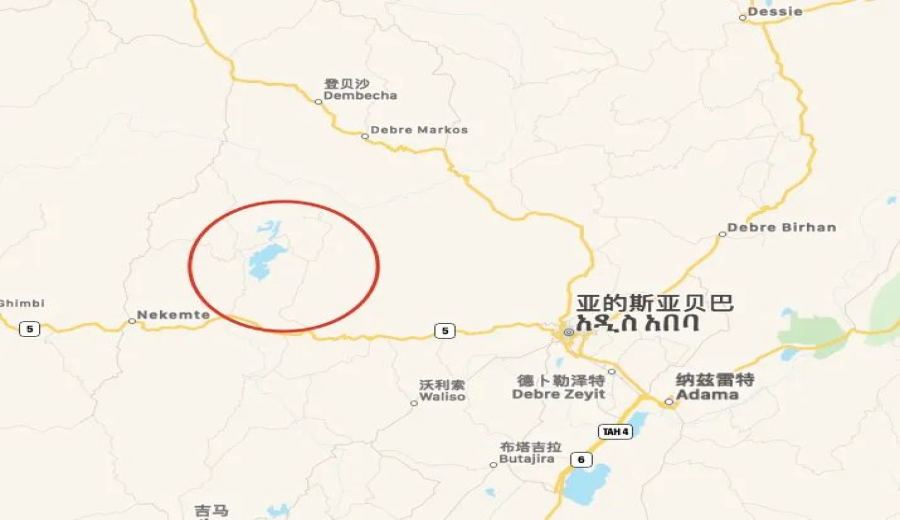
Ethiopia’s coffee industry is grappling with a severe situation of internal strife and external pressure. The domestic security situation remains tense, especially in the Guji Zone of the Oromia Region—home to many of the country’s commercial coffee farms. Recently, intense clashes erupted again in the Qolo Guduru area of the Kiremu district, resulting in at least six deaths and further disrupting stable coffee production.
The violence occurred in a remote area approximately 96 kilometers from the Qolo Guduru district capital, Shambu. According to local residents, hours of fierce fighting broke out between local militias and the armed group Oromo Liberation Army (OLA). The clashes not only caused civilian casualties but also resulted in deaths among both security forces and members of the armed groups.
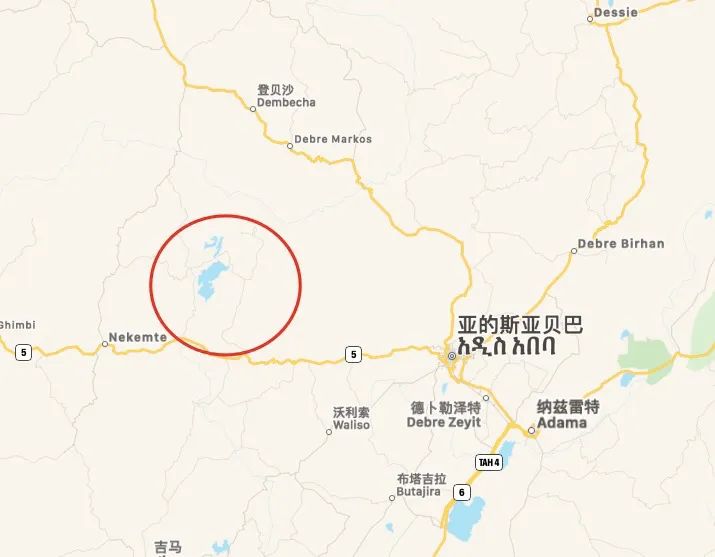
Although the government claims that the security situation in the area has improved and has been gradually relocating thousands of displaced people who fled due to earlier violence, in reality, incidents of civilians being kidnapped or even killed have continued to emerge over the past two years. For instance, in the neighboring Moyo district, an entire family of religious leaders was targeted, and several bus passengers traveling from the Amhara region to the capital were abducted by unidentified individuals.
It is worth noting that the Guji coffee zone is not only a major commercial coffee-producing area in Ethiopia—with an average annual output of 500,000 bags (60 kg per bag)—but also a critical pillar supporting the nation’s coffee exports. However, the frequent conflicts have severely disrupted coffee planting and harvesting activities in the region, thereby affecting the overall stability of the country’s coffee supply.
Interestingly, despite such a turbulent backdrop, the Ethiopian Coffee and Tea Authority announced that in August alone, the country’s coffee exports reached 42,322 tons, setting a record high of over $196 million. Export revenue increased significantly by 165% compared to previous periods, with additional income rising by 143%. This achievement is largely attributed to the rise in international coffee prices—due to climate anomalies in major producing countries like Brazil, which led to sharp declines in output and tightened global coffee supply, pushing prices upward.
However, although Ethiopia benefits from price advantages, its national currency, the birr, has depreciated significantly. As a result, the unit price of coffee exports has not risen in tandem with the international market, allowing international buyers to purchase high-quality Ethiopian coffee at relatively lower costs.
A greater concern lies in the changing international trade environment. According to a report by the UK think tank ODI, the European Union officially announced the “Deforestation-Free Regulation” (EUDR) in December 2022, which will be enforced for large coffee importers starting December 30, 2024. This regulation explicitly states that any coffee product sold in the EU market must prove that its production process did not involve deforestation, covering the entire supply chain from planting and harvesting to processing.
This regulation places immense pressure on the coffee industries of developing countries like Ethiopia. It is estimated that to fully comply with EUDR requirements, Ethiopian coffee exporters could face an additional cost increase of around 10%. Some analyses even suggest this could lead to nearly a 1% reduction in the country’s GDP. More importantly, most Ethiopian coffee farms currently lack complete traceability systems and environmental management records, making it difficult to provide documentation that meets EU standards.

Currently, the EU is Ethiopia’s largest coffee export market, accounting for over 30% of its total coffee bean exports. However, if production and management processes are not adjusted in time to meet EUDR compliance, Ethiopian coffee may face barriers to entering the EU market, leading to a sharp decline in exports. Market forecasts suggest that if the situation continues to worsen, Ethiopia’s coffee export-related economic losses could reach up to $1.4 billion, dealing a heavy blow to the millions of families who depend on the coffee industry for their livelihoods.
Faced with these dual challenges—internal security instability and increasingly stringent international trade regulations—the future of Ethiopia’s coffee industry remains highly uncertain. The government has yet to propose concrete countermeasures, and many international traders have already begun seeking alternative sources, such as compliance-document-equipped major producers like Brazil, further squeezing Ethiopia’s share in the international coffee market.
The above content is compiled by CoffeeHunters, a coffee news website.


