







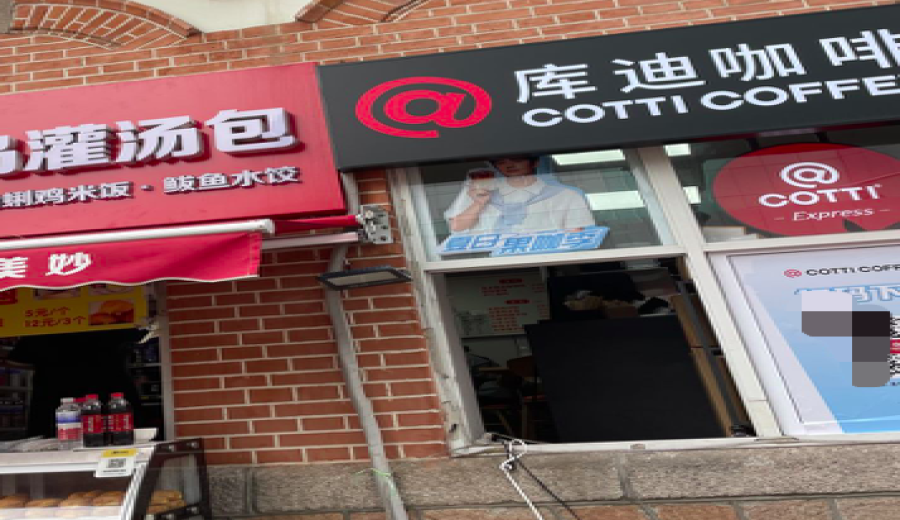
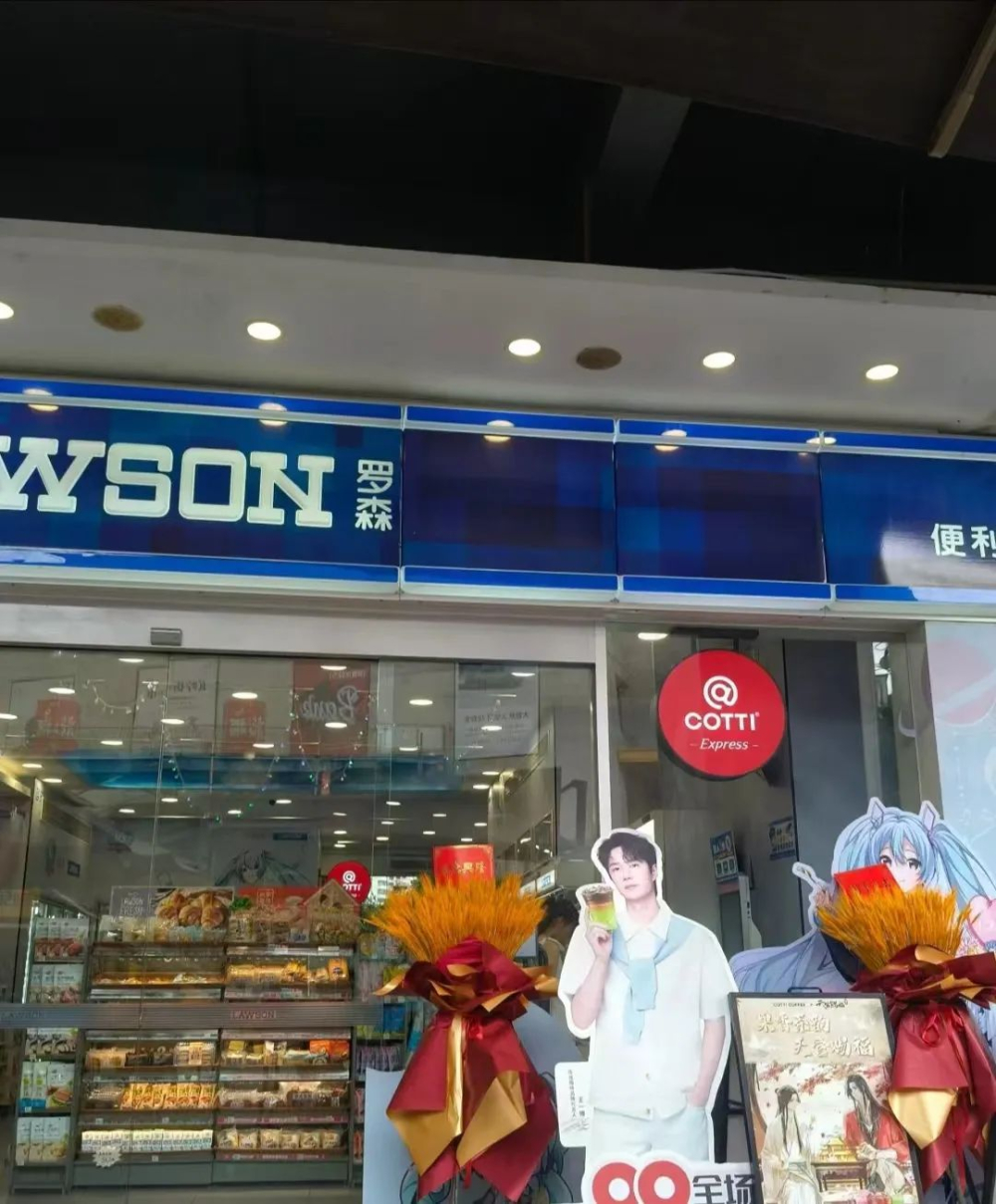
Introduction:Since launching its "1-square-meter convenience store" model in May 2024, Luckin Coffee has announced plans to expand by 8,000 micro-outlets in the second half of the year, aiming to achieve a "store within a hundred meters." However, these shop-in-shop outlets—hidden within various small-scale venues such as soup dumpling shops, Lawson convenience stores, and even pet hospitals—while offering convenience, have also raised consumer concerns about hygiene, operational processes, and food safety. This article analyzes the hidden worries behind Luckin’s rapid expansion and explores the importance of quality management.
Recently, many consumers have encountered unexpected scenes while navigating to Luckin Coffee outlets: expecting to walk into a dumpling shop, they instead find themselves facing Luckin’s ordering window. This "shop-in-shop" model—where coffee stands are directly embedded within existing small businesses such as ramen shops, service centers, or even pet clinics—is rapidly spreading with Luckin’s "convenience store strategy." Since May this year, the brand has been promoting the idea that "a 1-square-meter space is enough to open a store," with a target of adding 8,000 such micro-outlets in the second half of the year, making it possible for consumers to buy a cup of coffee anytime on their daily routes.
While this strategy boosts brand exposure and accessibility, it has also surprised or even unsettled many customers. Online posts abound with examples: from ordering through a tiny window next to a steamer in a soup dumpling shop, to service counter counters so small they’re almost missed, and even shop-in-shops that "compete in aroma" with ramen broth. Some outlets are even located in bookstores, internet cafes, barbershops, laundromats, and pet hospitals.The "open wherever there's space" strategyhas sparked heated discussion.
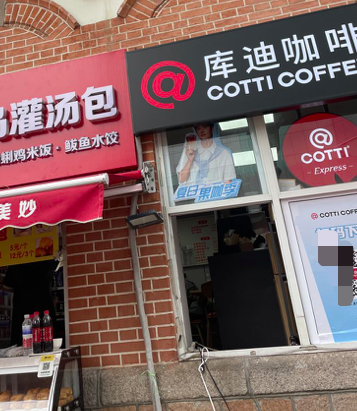
These small shop-in-shop outlets often have extremely limited space, with some featuring just a single ordering window, where customers must coexist within cramped quarters alongside the operations of other businesses. For instance, some consumers have pointed out that at a Luckin outlet inside a pet hospital, floating hair and potential hygiene blind spots raise doubts about beverage cleanliness. Others have found coffee machines and ingredient packaging stacked in corners, where staff can easily spill milk when retrieving items, indicating a clearly constrained operating environment.
Not only is the environment a concern,but the professional background of the staff and their operational procedureshave also become focal points. Some shop-in-shop workers are not from the food and beverage industry and have not received systematic training in coffee preparation, leading to uncertainties in product quality control and even potential food safety risks. Consumers generally expect that every cup of coffee—from ingredient storage and equipment cleaning to the brewing process—meets basic hygiene and quality standards.
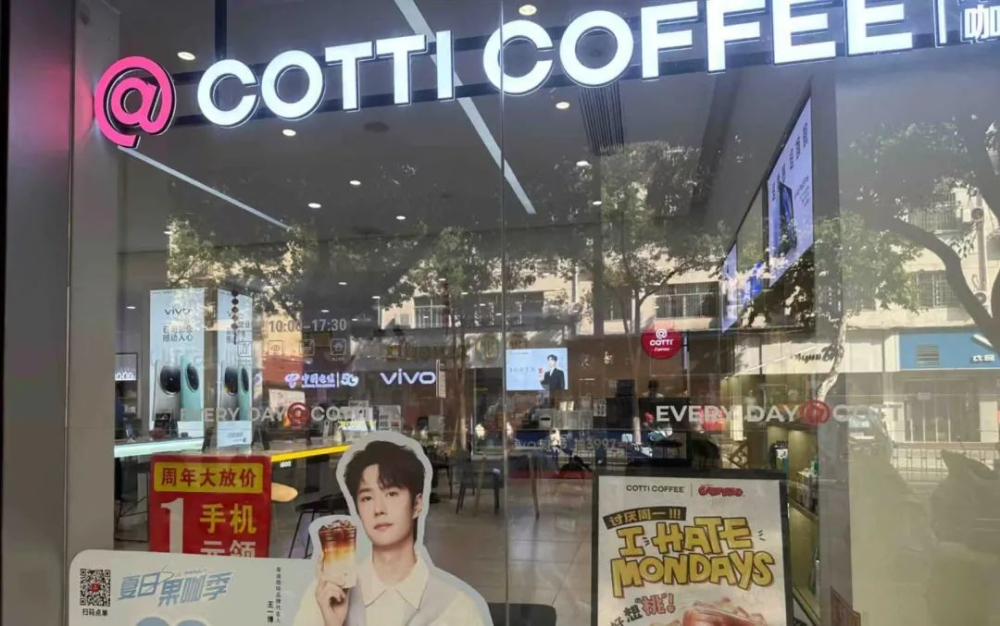
Luckin’s "convenience store model" was originally intended to create an omnipresent coffee experience, allowing consumers to easily enjoy a cup of coffee while commuting, shopping, or even waiting for appointments, while also providing additional income for small merchants. However, as the number of outlets surges, how to balance expansion speed with quality management has become a key challenge for the brand.
Industry insiders point out that while micro-outlets are flexible in setup, strict control over basic hygiene conditions, equipment maintenance, and staff training is still essential to ensure the quality and safety of every cup of coffee. For consumers, convenience is important, but "drinking with peace of mind" is the foundation of long-term trust.
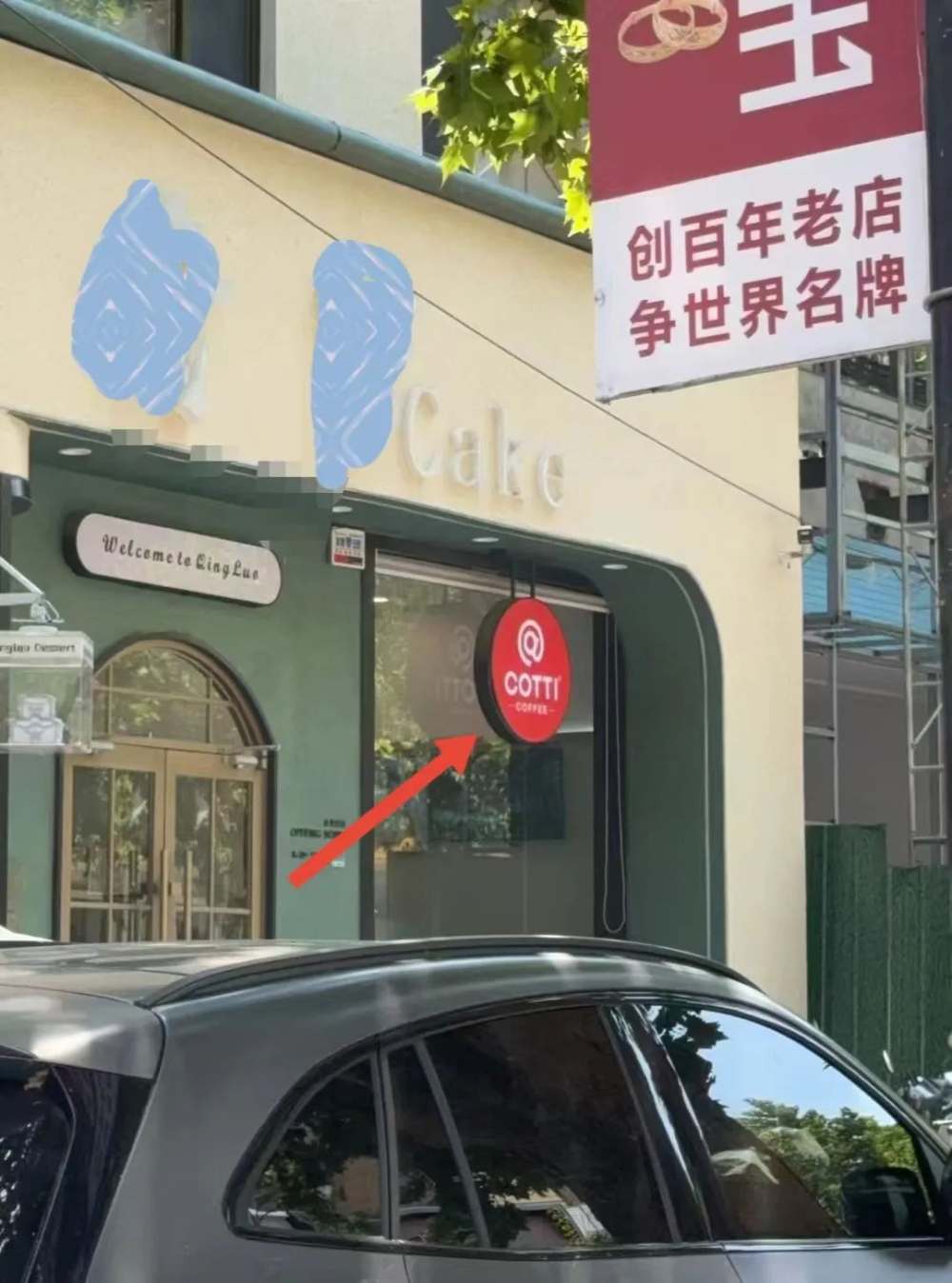
In summary, Luckin Coffee’s shop-in-shop expansion strategy demonstrates the brand’s ambitious plan to aggressively capture market share, but in the pursuit of a "store within a hundred meters," effectively managing these hidden outlets tucked away in alleys and corners—ensuring food hygiene, standardized operations, and customer experience—will be a crucial issue for the brand’s stable growth in the future.
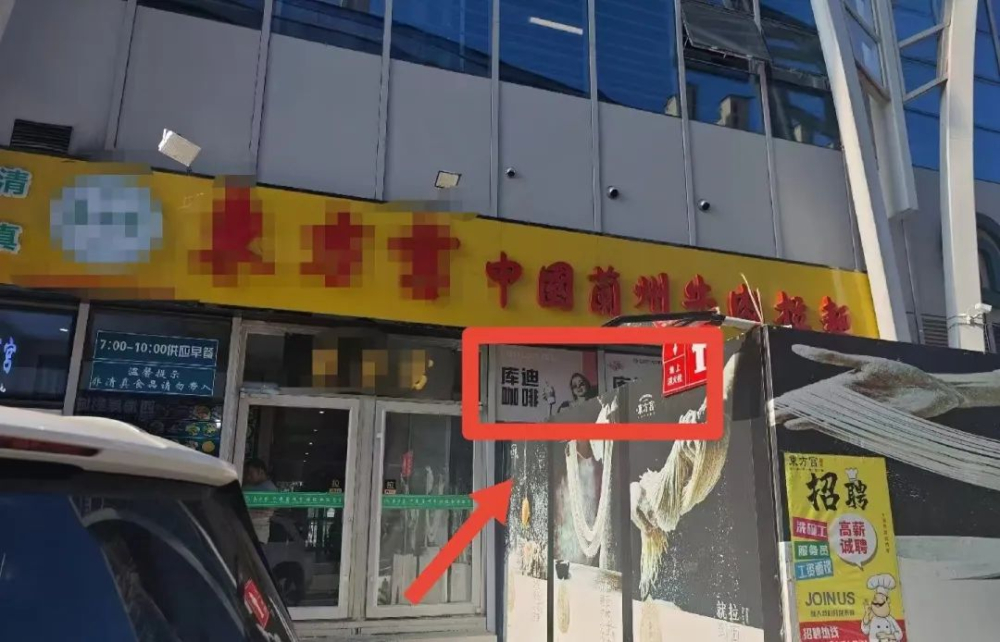
The above content is compiled by CoffeeHunters, a coffee news website.


