







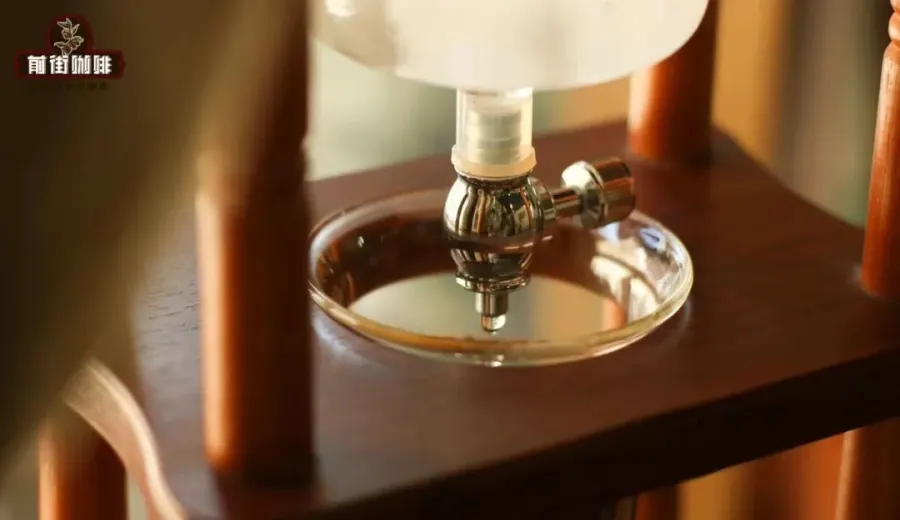
Introduction:Although cold drip coffee and cold brew may seem similar, they differ significantly in brewing methods, flavor development, and storage. This article delves into why cold drip coffee is not recommended for immediate drinking, the principles behind its refrigerated aging, ideal ratios and shelf life, as well as a comparison of their flavor profiles and suitable audiences — helping you master this premium coffee that requires time to mature.
A common and amusing sight among coffee enthusiasts new to cold drip is the moment the drip is completed: someone eagerly wants to taste this “freshly made” coffee. However, professional baristas usually advise patience, because freshly dripped cold drip coffee has yet to reveal its true potential.
Such freshly dripped cold drip often has a thin flavor, bland mouthfeel, and can sometimes be less vibrant than regular hot-brewed or cold brew coffee. At near-room temperature, the flavors are under-extracted and lack the complexity that comes with subsequent aging. Therefore, many shops will seal and refrigerate the cold drip for at least eight hours after filtration — sometimes even overnight — allowing it to undergo proper “aging” before serving.
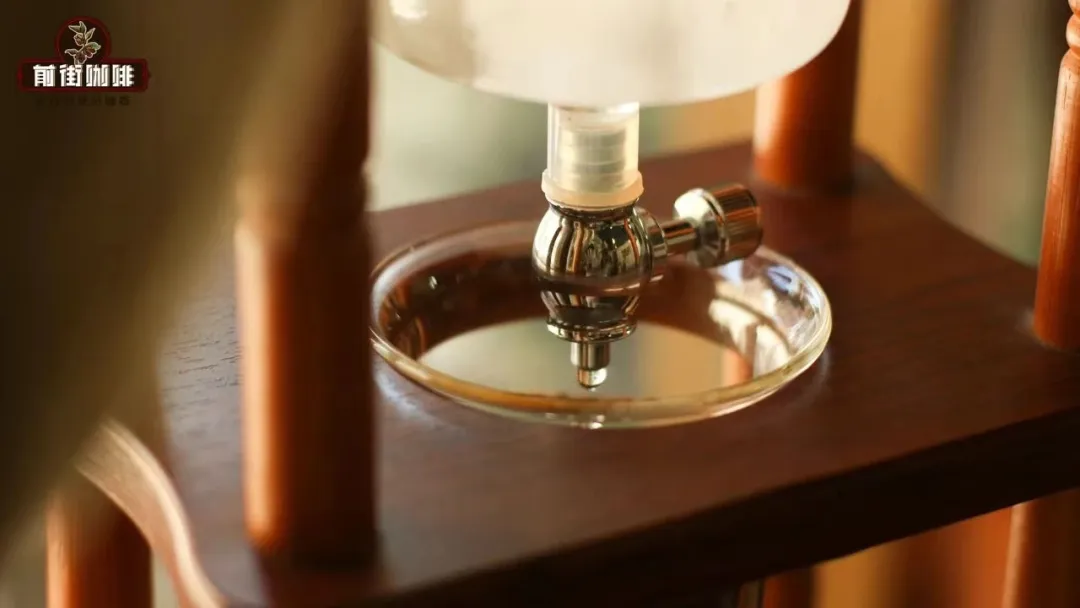
So why does cold drip coffee need this waiting period? The key lies in the “aging reaction.” This process is similar to wet-aging meat: the coffee liquid continues to undergo slow microbial fermentation while resting. When the cold drip is placed in a low-temperature environment (such as a refrigerator), microbial activity slows significantly, making the fermentation process more stable and controllable.
After about eight hours or more of refrigeration, the compounds in the cold drip gradually transform. What was once a flat mouthfeel becomes rich and smooth, and the flavor layers improve markedly. One of the most noticeable changes is the emergence of a unique wine-like aroma — the much-praised “cold drip flavor” that many coffee lovers rave about. This evolution of aroma and texture is precisely why cold drip coffee is worth the wait.

However, aging is not endless. As time goes on, fermentation continues to deepen. While it initially brings more intense flavors and aromas, if left beyond a certain period, the coffee may start to develop off-flavors from over-fermentation, such as noticeable sourness or an overly strong alcohol note, which can detract from the overall drinking experience.
In terms of storage, if cold drip coffee is kept at room temperature, it can easily show signs of spoilage within just six hours. Therefore, it’s strongly recommended to refrigerate it as soon as dripping is complete. Sealing and storing it in a refrigerated environment around 4°C can generally maintain its quality for three to five days. But note that although it remains safe for up to five days, after three days, the wine-like and fermented notes may become too prominent, which might not suit everyone's taste preferences.
Considering both flavor performance and food safety, many professional shops set the recommended consumption window for cold drip coffee at three days. Beyond that, it’s either discarded or used internally to avoid serving coffee that has declined in quality or developed imbalanced flavors.
As for the difference between cold drip and cold brew, their brewing principles are fundamentally different. Cold brew involves steeping ground coffee in cold water at a ratio of 1:8 to 1:12 for 12 to 24 hours, extracting flavors through prolonged contact with cold water. In contrast, cold drip slowly lets ice water drip through a bed of coffee grounds, typically at a ratio of 1:12 to 1:16, with a filtration time ranging from several hours to over ten hours — a slower and lower-temperature process.
Due to the low temperature and drip mechanism of cold drip, the final flavor is usually cleaner and more delicate, and after aging, it reveals a unique sweetness and wine-like character. Cold brew, on the other hand, generally exhibits a richer, fuller body and a more straightforward expression of the coffee’s original flavors. Both have their advocates and cater to different taste preferences.
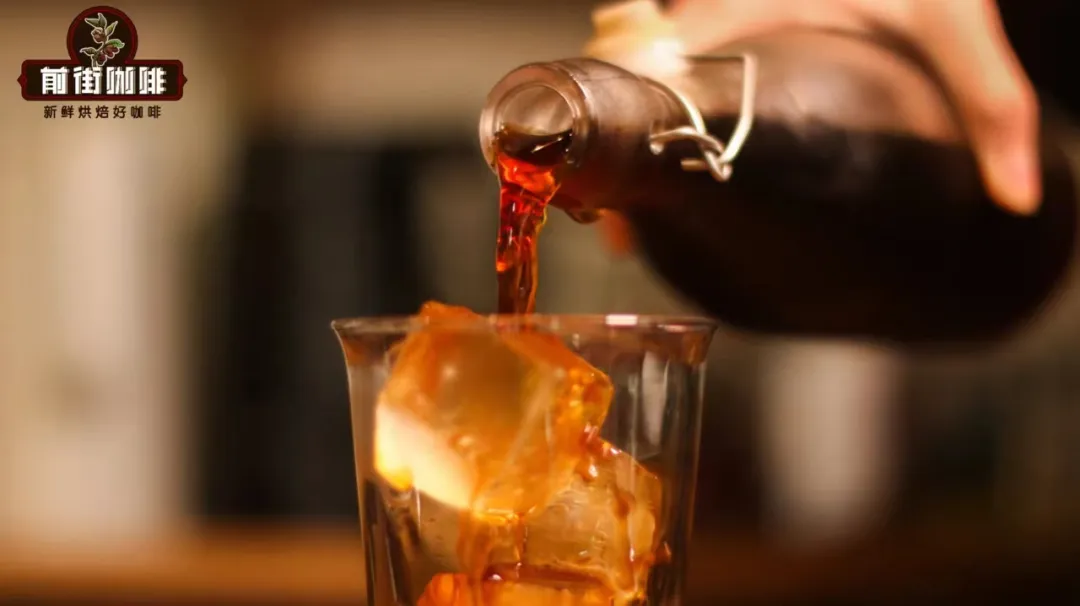
In summary, if you’re planning to try making cold drip coffee at home, keep the following tips in mind: don’t rush to drink it right after dripping — seal it and refrigerate for at least eight hours before tasting; always use an airtight container and minimize how often you open it to maintain freshness; if making a large batch, consider splitting it into smaller portions and noting the production date to ensure it’s consumed within 3 to 5 days. Master these basic principles, and you’ll be able to enjoy a high-quality cold drip coffee with full flavor and rich layers.
The above content is compiled by CoffeeHunters, a coffee news website.


